
Livraison le jour même ou le lendemain

Qualité garantie

Débloquez vos offres de bienvenue: Livraison GRATUITE | Jusqu'à -80 % | 30 jours d'essai gratuits à JoyPlus
Téléchargez l'application
Whether you're a student, an artist, a journaling enthusiast, or just a professional with an eye for the finer things, choosing your stationery supplies is a decision that matters. It impacts not only the quality of your work but also the simple joy of writing or drawing. The problem? The market is a jungle of marketing promises that often end in disappointment: pens that smudge, notebooks with ink that bleeds through the pages, and tools that are stylish but uncomfortable... This guide is here to help you cut through the noise and make the right choice based on criteria that truly count.
To avoid wasting your money, let's start by identifying the most common disappointments.
To avoid falling into the same traps, here are the technical specifications to focus on.
The tip of your instrument defines the very nature of your line.
The quality of your A6 notebook or sketchbook depends on two key factors.
For pencils, lead hardness is the fundamental criterion for artist supplies.
To get you started, here are a few products that have proven their worth and meet specific needs.
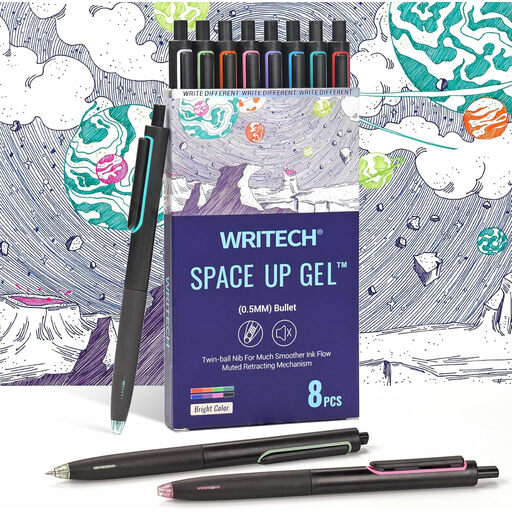
Why we love it: Perfect for students and professionals who love to colour-code their notes. Its silent click mechanism is a real plus in libraries or open-plan offices, so you won't disturb your neighbours.
Its quick-drying ink ends the nightmare of smudges, a relief for left-handers and fans of high-speed note-taking.
A 0.5 mm fine point for unbeatable precision and an ergonomic triangular barrel for hours of fatigue-free writing.
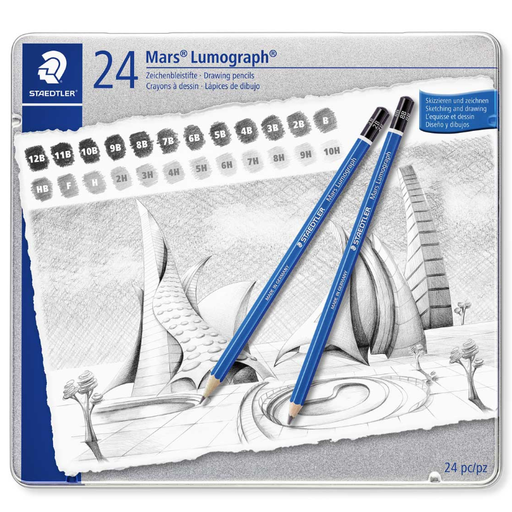
Why we love it: The essential kit for artists, illustrators, and architects. It covers the full spectrum of hardness, from the most precise technical line to the most intense shading. Unbeatable versatility.
Its highly break-resistant lead will save you from the frustration of a tip snapping mid-sharpen or mid-stroke.
A range of 24 hardness grades (from 12B to 10H) for absolute control over lines and gradients. Bonus: The wood is sourced from sustainably managed forests.
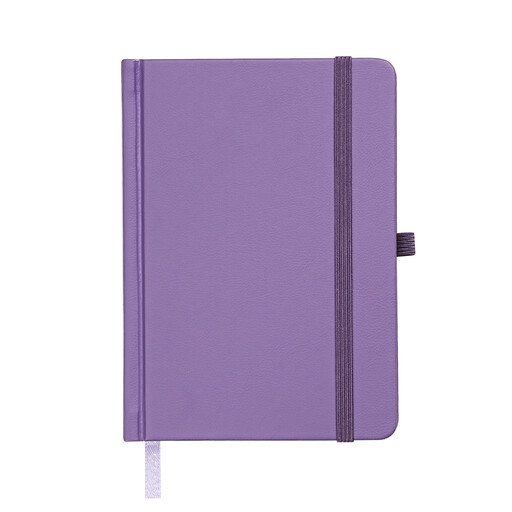
Why we love it: Its compact A6 size makes it the perfect pocket notebook to take anywhere. We love its thoughtful details: a pen loop, bookmark, and elastic closure. The ideal companion for on-the-go journaling.
Its 100 g/m? paper is an excellent safeguard against most inks, including those from gel pens. Say goodbye to bleed-through and the dreaded *ghosting* (where writing is visible on the reverse side).
A sturdy PU leatherette cover, high-quality lined paper, and a wide range of colours to match your style.
Discover our full selection of products that meet our quality criteria and current standards.
It's all about the paper! Opt for coated paper or a weight of at least 100?g/m?. A quick tip: always give the ink a second or two to set before running your hand over it, especially with vibrant colours.
This is the lead hardness code. Just remember: H is for Hard, giving you a light, precise line (a 2H is harder than an H). B is for Black (or soft), offering a bold, dark line (a 2B is softer than a B). And HB? It's the all-rounder, the perfect balance for everyday writing.
In most cases, yes. A good 100?g/m? paper will hold up against fineliners and gel pens. However, be careful if you're using alcohol-based markers or pens with heavy ink flow: to avoid any disasters, it's better to upgrade to 120?g/m? (or even higher) or choose a notebook specifically designed for drawing.