
Livraison le jour même ou le lendemain

Qualité garantie

Débloquez vos offres de bienvenue: Livraison GRATUITE | Jusqu'à -80 % | 30 jours d'essai gratuits à JoyPlus
Téléchargez l'application
Between overloaded sets, inks advertised as “smudge-free” and notebooks presented as all-purpose, choosing your stationery supplies and creative materials can quickly become a headache. A pupil, parent, student, teacher, office professional or drawing enthusiast will not all have the same expectations.
Before filling your basket, check that the products suit your intended use, as well as their format, materials and the accessories actually included. Here are the criteria to consider when choosing coloured pencils, multicolour pens, pastel highlighters, notebooks or drawing materials suited to everyday life in France.
A set of 48 or 72 pieces may seem like good value, but not every colour or nib will necessarily be used. For taking notes, a few gel pens or a four-colour pen may sometimes be much more practical than an XXL assortment. For drawing and creative hobbies, however, a broad palette makes gradients and colour mixing easier.
So examine the contents in detail: number of pieces, shades, nib types, refills and storage solutions.
An ink may be perfectly suited to a notebook but bleed through paper that is too thin. Dry pastels, on the other hand, produce a light dust and require a suitable surface. As for acrylic markers, they may be suitable for several surfaces, depending on the manufacturer’s instructions.
For school or professional use, compare the paper weight, texture and type. A drawing pad designed for sketching will not necessarily be suitable for ink or pastel work.
A pencil sharpener without a container can quickly turn a pencil case into a tray full of shavings. A marker that is not capped properly will dry out faster, while pastels stored upright are more likely to break. A pouch, case or storage roll can therefore genuinely extend the life of your materials.
For writing or annotating, a 0.5 to 0.7 mm tip will generally produce a precise, legible line. HB graphite pencils offer medium hardness, making them suitable for writing, exercises and light sketches. A 0.5 mm mechanical pencil is suitable for fine lines, provided you use compatible leads.
For creative activities, brush pens have a flexible tip whose line varies according to the pressure applied. Chisel-tip markers, meanwhile, allow you to switch from a fine line to a broad stroke. Rely on the stated width rather than the product photos alone.
Expressed in g/m², paper weight indicates the paper’s weight and gives an initial idea of its strength. Paper weighing 90 to 100 g/m² is generally suitable for writing and note-taking. More fluid techniques or layers of colour often require a thicker surface, so always check the recommendations for the product you are using.
A Clairefontaine notebook may be appreciated for its smooth surface and school-friendly format. The Clairefontaine Koverbook shown below features Velin Velouté 90 g paper, polypropylene covers and storage flaps.
For children, check the recommended age and the warnings shown on the product page. Some items contain small parts or produce dust, such as dry pastels. Use them in a suitable environment, recap inks after use and avoid any contact with the mouth or eyes.
Compliance information, the manufacturer’s identity and the presence of a responsible person in the European Union are also details to check before buying.

Why this choice suits this profile : Each pen combines four colours, so you do not need to carry several separate items to school, university or the office.
The retractable mechanism means you do not have several caps to lose, and lets you change colour with a simple click.
0.7 mm ballpoint tip, non-slip grip and three four-colour pens in the pack.
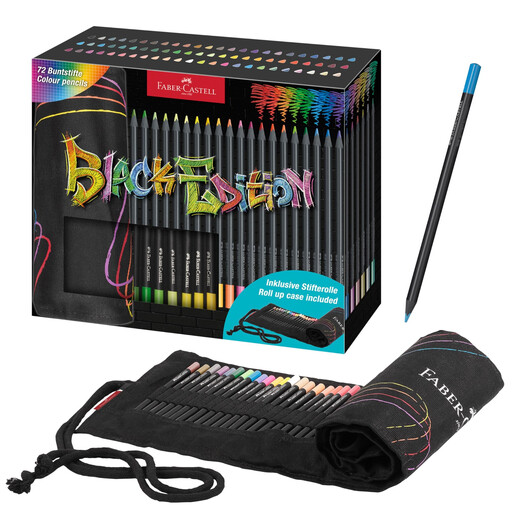
Why this choice suits this profile : This extensive assortment is designed for anyone who wants to work on drawings, shading and colour effects on different types of paper.
The included roll keeps all 72 pencils organised and makes them easier to carry, without letting the leads knock against one another at the bottom of a pencil case.
Triangular shape, SuperSoft leads, with 6 neon shades and 6 metallic shades.
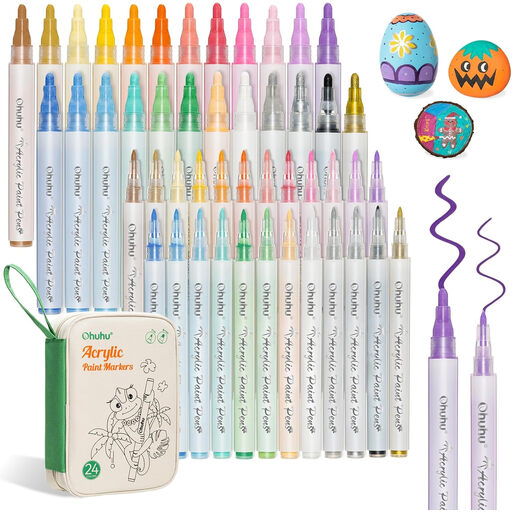
Why this choice suits this profile : The two nib sizes and the stated compatible surfaces open up a wide range of decoration, drawing and creative hobby projects.
The set includes 0.7 mm fine tips as well as reversible round and chisel tips, rather than limiting you to a single format.
24 colours supplied in duplicate with two nib types, water-based ink and stated use on paper, wood, glass, ceramic or fabric.
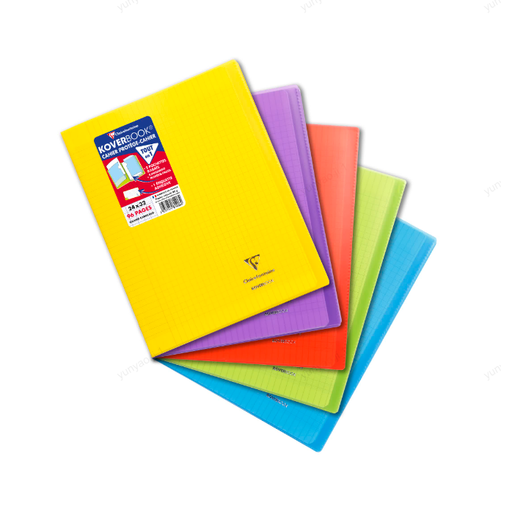
Why this choice suits this profile : The pack makes it easy to keep several subjects or projects separate, with a 24 × 32 cm format suited to notes and homework.
The polypropylene cover protects the notebooks, while the two flaps keep loose documents safely stored.
96 pages, wide ruling, Clairefontaine Velin Velouté 90 g paper and stated PEFC certification.
We have brought together a complete, real-time updated selection of products that meet these demanding criteria and European safety requirements.
To put together a versatile pencil case, choose your items according to how you plan to use them:
For a personal notebook, the Jubiluu A6 models focus on portability, with their 100 g/m² paper, elastic closure, bookmark and pen loop. The A5 format offers more room for journaling, lists and writing projects.
For writing with a pencil, ballpoint pen or highlighter, 90 to 100 g/m² paper provides a reliable basis. With wetter inks, brush pens or acrylic markers, check the manufacturer’s recommendations and test them on a page before you begin.
Carefully replace every cap after use. Store acrylic markers flat when recommended on the product page, and shake them before first use if instructed. For gel pens, avoid extreme temperatures and replace compatible refills when the ink runs out.
A practical starter set includes HB pencils, an eraser, a pencil sharpener with container, blue, black, red and green pens, a few highlighters, notebooks in the required format and a pencil case with enough compartments. Add coloured pencils or a drawing pad only if the planned activities require them.