
Livraison le jour même ou le lendemain

Qualité garantie

Débloquez vos offres de bienvenue: Livraison GRATUITE | Jusqu'à -80 % | 30 jours d'essai gratuits à JoyPlus
Téléchargez l'application
Buying craft pens and markers seems simple… until you start comparing nibs, inks and formats. A pen that feels comfortable for taking notes won’t necessarily be the right choice for colouring, lettering or writing on glass. Students, teachers, office workers and bullet journal fans can all benefit from checking a few things before filling their basket.
A 0.5 mm nib is generally suitable for fine writing and annotations. But line width also depends on the shape of the nib, the flow of the ink and the pressure you apply. A needlepoint nib is ideal for detail, while a conical nib gives a smoother line.
When choosing fineliners, then, consider the stated diameter alongside the nib type and the surface you’ll be using. On absorbent paper, even a very fine line can spread.
Water-based inks are handy for writing on paper, taking notes or keeping a bullet journal. However, they aren’t suitable for every surface. Acrylic markers apply opaque colour to paper, wood, metal, ceramics or glass, depending on the manufacturer’s guidance. It’s still best to test one on an inconspicuous area first.
A claim such as ‘water-resistant’ doesn’t necessarily mean the writing will be permanent on every surface. The finish, drying time and friction can all affect the result.
A marker that isn’t capped properly can dry out quickly. Some models need to be stored horizontally to keep the ink flowing evenly, while calligraphy pens need their nib or converter rinsed after each use.
Before choosing a large set, check what kind of storage it comes with: a rigid box, a case, a cardboard stand or simple pouches. Keeping your pens organised helps prevent them getting lost and makes it easier to find the right colour.
Gel ink is popular for its smooth flow and vivid colours. However, gel pens can take varying amounts of time to dry, particularly on smooth paper. Erasable pens with heat-sensitive ink are handy for correcting notes, but check the manufacturer’s guidance before using them on official documents or anything you need to keep for a long time.
For pastel highlighters, transparent, water-based ink helps you pick out text without obscuring it. A chisel nib with two line widths is ideal for switching between underlining and highlighting.
A soft grip, retractable barrel or well-placed clip can make all the difference when you’re writing for a long time. It’s also worth taking a closer look at the materials: a plastic barrel doesn’t magically become wood, and an environmental certification is only worth considering if it’s clearly stated.
For children, follow the warnings about small parts and caps. Ink should not be swallowed, and it may stain textiles or certain surfaces.
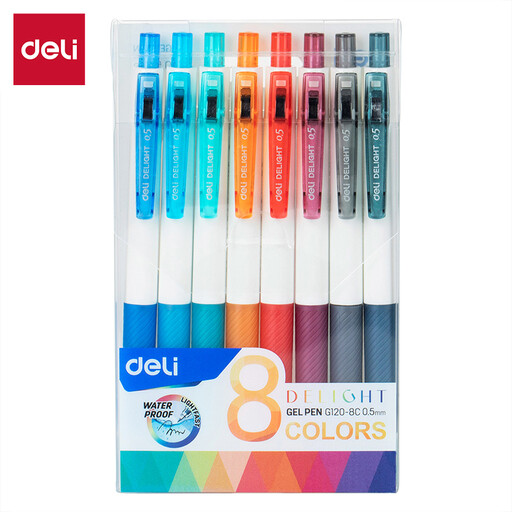
Why it suits this profile : This multi-colour set is ideal for lecture notes, lists, journalling and your first creative projects, without needing to buy several products separately.
The 0.5 mm nib and soft grip give you more consistent control than a broad marker, particularly for small formats and annotations.
Pack of 8 colours, retractable 0.5 mm ballpoint nib and soft grip for school or the office.
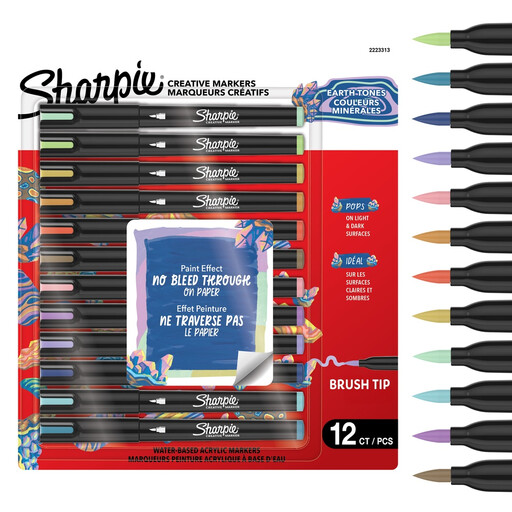
Why it suits this profile : The brush tip is ideal if you want to switch between colouring, lettering and decorative projects, with a harmonious colour palette.
The description explains how to use the markers on different surfaces and recommends testing first. So you won’t be left assuming the ink will automatically work on every material.
Water-based acrylic ink, opaque colour, brush tip and 12 warm shades that can be layered once dry.
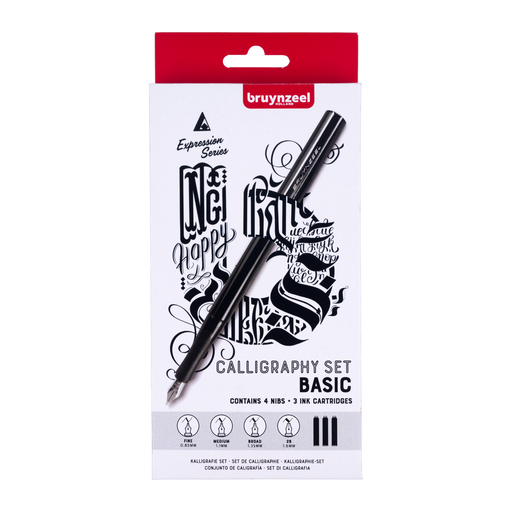
Why it suits this profile : This set is for calligraphy enthusiasts who want to try different line widths and practise several styles with one kit.
The four brass nibs give you more than one line width to work with, while the instructions make it easier to build your skills gradually.
Medium, fine, broad and 2B nibs, plus a converter and three black ink cartridges.
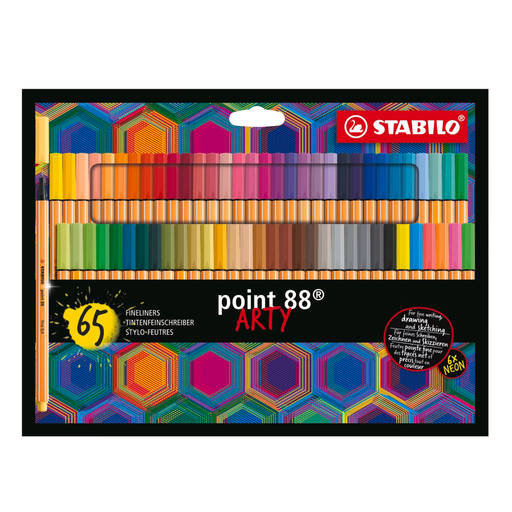
Why it suits this profile : Its wide range of colours makes it easy to colour-code notes, create mandalas and pixel art, and add colourful designs to your notebook.
The 0.4 mm metal-clad tip is designed for fine lines, while the cardboard storage case keeps all 65 shades together.
65 colours, including 6 fluorescent shades, a 0.4 mm fibre tip and a barrel made from 96 % bio-based plastic, according to the product listing.
We’ve put together a complete, regularly updated list of products that meet these exacting selection criteria and European safety standards.
Bullet journal pens should offer precise lines, good readability and a quick enough drying time. 0.4 mm fineliners are ideal for outlines and small boxes. For headings, a brush pen or calligraphy pen gives you more variation in line thickness.
They’re handy for drafts, diaries and exercises, but heat-sensitive ink can react to warmth. So it isn’t always suitable for archiving. For an official document, permanent ink or a standard pen is generally a better choice.
Replace the cap immediately after each use, store markers according to the manufacturer’s instructions, and keep them away from heat and direct light. Storing acrylic markers horizontally can help keep the ink flowing evenly. For calligraphy nibs, rinse and dry the parts after use to help prevent ink build-up.