
Livraison le jour même ou le lendemain

Qualité garantie

Débloquez vos offres de bienvenue: Livraison GRATUITE | Jusqu'à -80 % | 30 jours d'essai gratuits à JoyPlus
Téléchargez l'application
Shopping for stationery online opens up a world of choice, but it's easy to fall into common traps. A flattering photo can hide poor-quality paper, and marketing descriptions may boast a versatility the product simply doesn't have. To help you navigate this landscape, we've broken down the pitfalls to avoid and the technical criteria to master before you click "Buy".
Choosing the right stationery means ensuring your tools can live up to your ambitions, whether you're taking notes, drawing, or printing photos. Here are the classic mistakes that can ruin the experience.
To avoid these disappointments, simply focus on a few objective characteristics. These are the true arbiters for assessing a product's quality and suitability for your needs.
Paper weight, or grammage, is the weight of a sheet of paper per square metre. It's the number one indicator of its thickness and rigidity.
Don't underestimate the paper's surface: it directly influences the final look of your work.
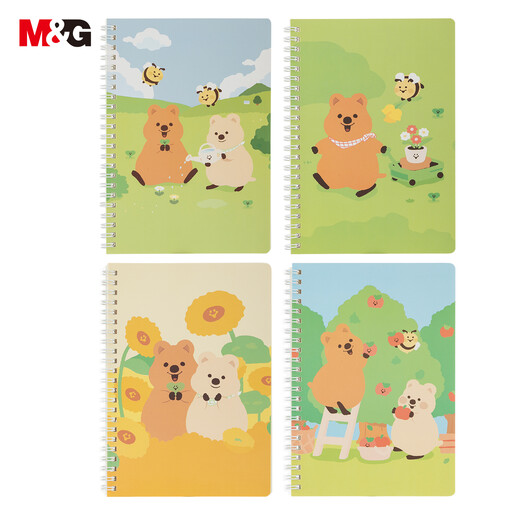
Why it's a perfect match: Ideal for students juggling multiple subjects. The A5 size slips into any bag, and the four-pack lets you assign a colour to each course. Visual organisation is key!
This spiral notebook avoids the pitfall of an unsuitable format. Its binding allows for a full 360° opening, providing a perfectly flat writing surface. A real plus in lecture halls or on the go.
The 4-pack's colour-coding system simplifies subject organisation. Its quality lined paper is a great companion for most pens.
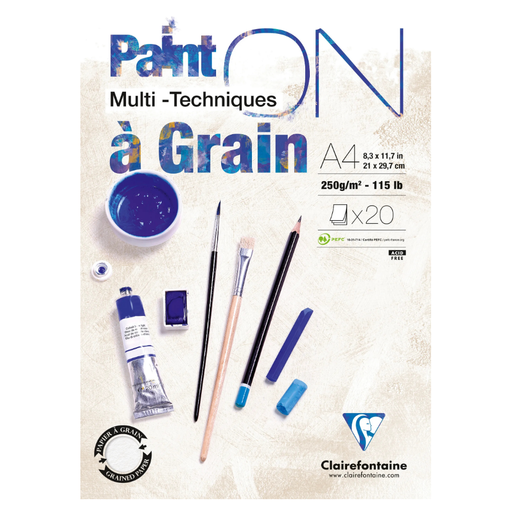
Why it's a perfect match: For the all-rounder creative, this pad is the ultimate do-it-all solution. It's designed to handle both dry media (pencil, marker) and wet media (ink, gouache, acrylic), so you don't have to juggle multiple paper pads.
It avoids the "false versatility" trap. With its robust 250 gsm weight and 100% cellulose composition, it offers unbeatable absorption and durability. This is a TRUE multi-media paper.
Its dual-grain surface (one textured side, one finer side) is a real bonus, offering two different textures on a single sheet.
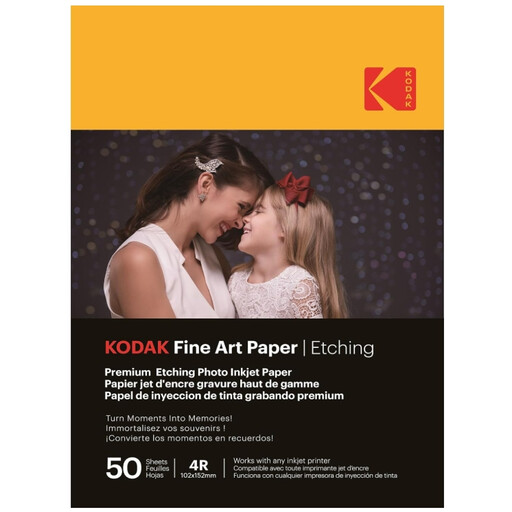
Why it's a perfect match: Perfect for those who want to give their prints an artistic flair. It's ideal for creating photo albums that stand out, unique greeting cards, or mini-posters with a professional finish, straight from your home printer.
This photo paper avoids the trap of a deceptively reassuring weight. At 210 gsm, it has the necessary feel and rigidity to absorb ink without smudging or warping. The result: sharp, long-lasting prints.
Its matte, lightly textured finish provides a "Fine Art" look reminiscent of canvas or an engraving, adding real artistic value to your prints.
We've put together a complete selection of products that meet our quality criteria and industry standards.
It all comes down to composition and treatment. Watercolour paper is specifically designed to "drink" large amounts of water without warping. It often contains cotton and undergoes a special sizing process. In contrast, a standard drawing paper, even a thick one, lacks this absorbency: it will warp almost instantly on contact with water.
With alcohol markers, the paper is half the battle. You need a very smooth, thick surface (250 gsm minimum) or, even better, a dedicated marker paper that has a bleed-proof barrier. Pro tip: always place a protective sheet (sometimes included in dedicated pads, like those for manga art) under your work to protect the next page.
Not necessarily. A high grammage guarantees good rigidity and better opacity, but the overall quality also depends on the fibre content (cellulose, cotton), the finish, and the sizing. An excellent 90 gsm paper, like the famous Clairefontaine Velvety Vellum, will offer a far superior writing experience to a low-end 120 gsm paper that soaks up ink and causes feathering. The bottom line: paper weight should be chosen based on its intended use; it's not an absolute measure of quality.