
Livraison le jour même ou le lendemain

Qualité garantie

Débloquez vos offres de bienvenue: Livraison GRATUITE | Jusqu'à -80 % | 30 jours d'essai gratuits à JoyPlus
Téléchargez l'application
Whether it's for back-to-school, setting up your home office, or simply for the pleasure of writing on beautiful paper, choosing your office and stationery supplies can quickly become a headache. Between tempting packaging and marketing promises, we often end up with disappointing, or even unusable, everyday items. This guide is here to help you sort through the options, identify the criteria that truly matter, and avoid the most common pitfalls.
Before you fill your basket, keep an eye out for these deal-breakers that can turn a promising purchase into a total disappointment.
To never regret a purchase again, focus on these few technical specifications. They are the true guarantee of your supplies' quality and durability.
Paper weight, expressed in grams per square meter (gsm), is the key indicator of paper thickness and opacity.
For sticky notes and page markers, adhesive quality is paramount. A brand-name adhesive allows you to stick, unstick, and restick a note dozens of times without leaving a trace or damaging the surface. This is a non-negotiable feature for organising important documents without the risk of damaging them.
For a notebook or an undated planner that will follow you everywhere, opt for a hardcover. Materials like PU (polyurethane) or textured fabric offer excellent resistance to wear and tear. Small extras, like an elastic closure or a pen loop, are real assets that improve the practicality and longevity of your notebook.
There's an ideal stationery item for every profile. Here are our recommendations to help you make the right choice and avoid the pitfalls we've just discussed.
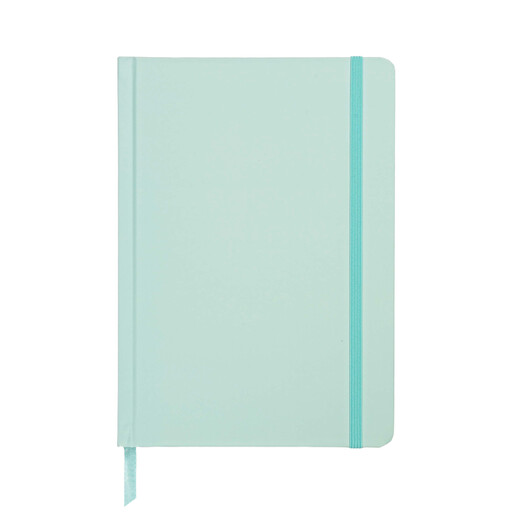
Why we love it: Its 18-month undated structure offers maximum flexibility for long-term planning without wasting pages if you skip a week. Perfect for managing professional projects or a changing university schedule.
Its 100 gsm paper prevents ink from bleeding through, and its hardcover ensures excellent durability, even with heavy use.
Its portable A5 size and undated structure mean you can start using it at any time of the year.
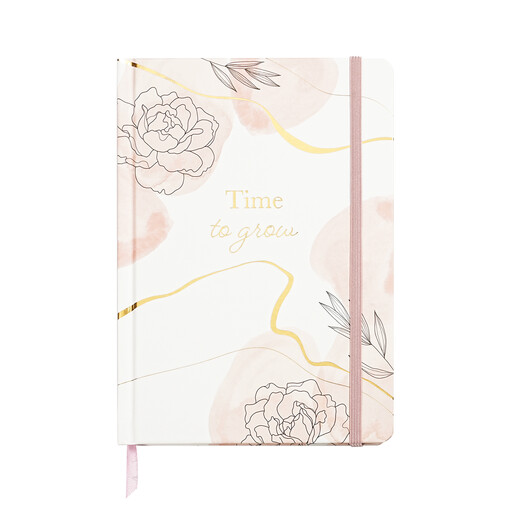
Why we love it: For those who see their notebook as a true style accessory. Its textured pink marble-effect cover and cream-coloured paper make it a beautiful object, as pleasant to look at as it is to use for journaling or creative notes.
It combines style with durability: its thick 100 gsm paper and hardcover ensure a premium experience without sacrificing practicality.
Its sleek design and quality finishes clearly set it apart from standard notebooks.
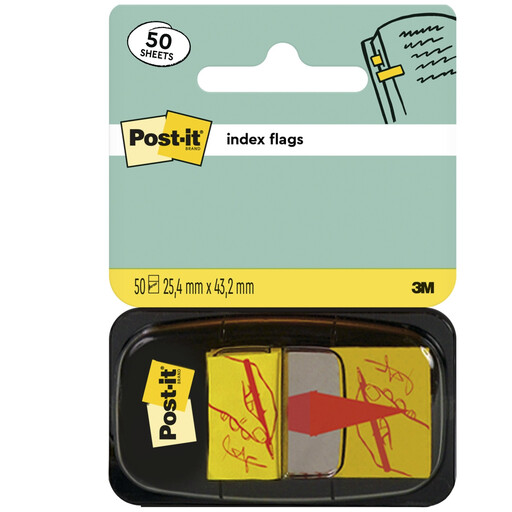
Why we love it: A simple yet highly effective tool in professional environments (legal, administrative, real estate) where contracts and documents to be signed pile up. The bright yellow and clear message instantly guide the eye.
Its patented Post-it adhesive removes cleanly without damaging the paper of important documents. Say goodbye to the nasty surprises of low-quality glues!
Highly specific, it streamlines approval processes and reduces the risk of oversights.
To mark pages in your books, files, or notebooks, it's best to choose products that respect the paper. We've selected page markers that meet this essential criterion.
A dated planner follows a fixed calendar (e.g., January-December 2026) with pre-printed dates. It's structured, but can quickly lead to waste if you don't use it continuously. In contrast, an undated planner gives you control: you write in the dates yourself. This makes it much more flexible, allowing you to start anytime and skip weeks without wasting paper.
The number one criterion is paper weight. For a fountain pen, aim for paper that is at least 100 gsm. Thicker and denser paper prevents ink from bleeding through the page (the dreaded bleeding) or being too visible on the back (ghosting). The quality of the paper itself (sometimes indicated as "offset" or "wood-free") also affects how the nib glides across the surface.
Yes, but it all depends on the quality of the adhesive. Leading brands use a special adhesive that allows them to be stuck, unstuck, and restuck many times on smooth surfaces (paper, glass, screens) without losing their stickiness or leaving residue. Naturally, their effectiveness will be reduced on dusty or highly textured surfaces.