
Livraison le jour même ou le lendemain

Qualité garantie

Débloquez vos offres de bienvenue: Livraison GRATUITE | Jusqu'à -80 % | 30 jours d'essai gratuits à JoyPlus
Téléchargez l'application
Whether it's for back-to-school, organising your office, or the simple joy of writing, choosing the right office and school supplies can quickly become a headache. Faced with an overwhelming selection, it's easy to fall into common pitfalls that render a notebook or planner useless after just a few weeks. As a Product Specialist at Joybuy, my mission is to help you cut through the noise and identify the criteria that truly make a difference.
To avoid wasting your money, let's review the most common disappointments.
To avoid these issues, you just need to focus on a few technical specifications. These are the true hallmarks of quality and durability.
Paper weight, expressed in grams per square meter (g/m? or gsm), defines the paper's thickness and opacity. It's the secret to an optimal writing experience.
The way the pages are held together is crucial for your notebook's durability and usability.
The ruling (the line pattern) should be chosen based on your needs.
To illustrate this advice, here are a few products that check all the right boxes, each tailored to a specific need.
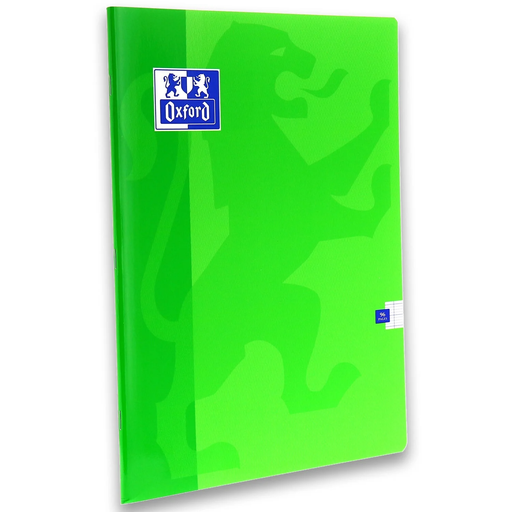
Why we chose it: The benchmark format for middle and high school supply lists. It combines the standard large 24x32cm Seyès-ruled notebook size with proven paper quality, perfect for heavy daily use.
Its Optik Paper at 90g/m? is your guarantee against show-through. It directly counters the pitfall of low-quality paper that bleeds ink.
Its two-tone ruling, developed in partnership with ophthalmologists, is designed to improve readability and reduce eye strain.
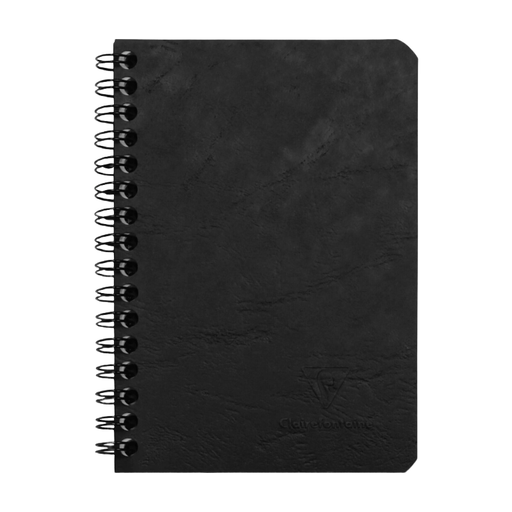
Why we chose it: Its pocket-friendly size and textured hardcover make it a travel companion that is as discreet as it is elegant. Perfect for capturing an idea on the fly, whether in a meeting or on the road.
Its sturdy sewn binding is a guarantee of durability, sidestepping the pitfall of notebooks that fall apart. The renowned 90g/m? Velin Velouté paper ensures a perfectly smooth writing surface with zero show-through.
Its French manufacturing and lay-flat (180°) opening offer optimal writing comfort, even in the middle of the notebook.
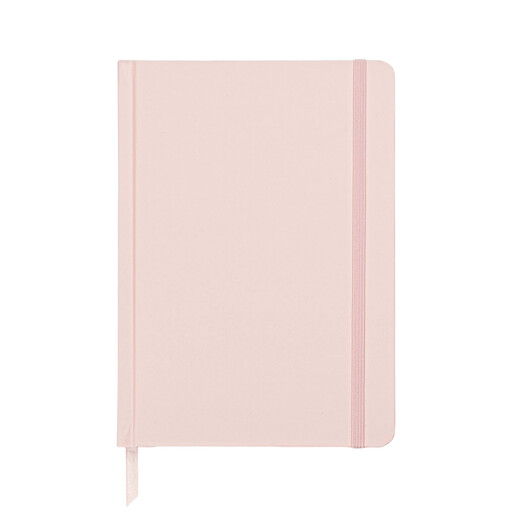
Why we chose it: Ideal for getting organised without the rigidity of a pre-filled calendar. This undated planner can be started at any time of the year. The result: zero wasted pages and a planning system that adapts to you, not the other way around.
Its A5 format strikes the perfect balance between portability and writing space, allowing it to avoid the "wrong format" pitfall. Its thick 100g/m? paper protects against any ink show-through.
Its 18-month undated structure offers complete flexibility for tracking goals, planning projects, or simply organising your daily life, pressure-free.
Discover our full selection of notebooks and planners that meet all our quality criteria.
The difference comes down to thickness and opacity. A 90g/m? paper is noticeably thicker, more durable, and offers a smoother glide. It's essential if you use a fountain pen or markers, as it prevents ink from bleeding through or feathering. For daily use with a ballpoint pen, 80g/m? remains an excellent compromise.
It all depends on your use case:
A dated 2026 planner is ready-to-use and structured, ideal for traditional planning aligned with the academic or calendar year. An undated planner, on the other hand, is all about flexibility. You can start it whenever you want, skip weeks without wasting pages, and customise it to your heart's content. It's the perfect option if you have an irregular schedule or decide to get organised midway through the year.