
Livraison le jour même ou le lendemain

Qualité garantie

Débloquez vos offres de bienvenue: Livraison GRATUITE | Jusqu'à -80 % | 30 jours d'essai gratuits à JoyPlus
Téléchargez l'application
A stand mixer can make light work of preparing bread, brioche, cakes and creams. But product listings often focus on power or the number of speeds, without mentioning the limitations that really matter. To avoid a purchase you'll regret, it's worth comparing the usable capacity, the accessories included, the footprint and how well the machine handles thick mixtures.
A motor boasting 1,000 W alone won't tell you how much dough the machine can knead continuously. Some brands distinguish between maximum power, nominal power and the power actually delivered during operation. For bread dough, the maximum flour or dough capacity and the manufacturer's recommendations are therefore far more useful than the wattage alone.
A 1,000 W stand mixer can be perfectly adequate for family use, provided you run it at a moderate speed for yeasted doughs. It's also worth checking whether the machine has overload or overheat protection.
A 6-litre bowl isn't necessarily designed to be filled to the brim. You need to allow room for the dough to rise, minimise splashing and leave enough space for the whisk to move freely. For example, the Monsga SM100 has a total capacity of 6 litres, but recommends not exceeding 5 litres during use.
For a family or regular batch baking, a large-capacity stand mixer can be a wise choice. In a small kitchen, however, a 4 to 5-litre bowl will be easier to store and more than sufficient for everyday cakes, creams and doughs.
A stand mixer can accommodate many attachments, but these aren't always included. Before comparing two models, check for the whisk, dough hook and beater, as well as the availability and price of optional accessories.
A machine marketed as multifunctional can be worthwhile if you plan to add a blender, pasta maker or mincer. If your use is limited to baking and bread, the three basic attachments should remain your priority.
For versatile use, several models in this selection offer power between 800 and 1,000 W. However, power should never be considered in isolation: the materials and design of the machine also play a role. A metal body, non-slip feet and a lockable head all improve stability during kneading.
Also look for overheat protection or an automatic shut-off. These features don't mean you can ignore the maximum quantities, operating times and speeds stated in the manual.
A 6-speed stand mixer covers everyday needs: slow incorporation, mixing, whisking and kneading. A 10-speed model offers more intermediate settings, which can be useful for gradually moving from a dense dough to a light mixture.
A soft start prevents flour or liquids from turning into a cloud of splashes. A 'Pulse' function allows brief bursts, but it doesn't replace a speed suited to prolonged kneading.
A stand mixer with a stainless steel bowl generally stands up well to daily use and retains fewer odours than some softer materials. However, check whether the bowl and attachments are dishwasher-safe. The motor unit should be wiped clean with a damp cloth and never immersed in water.
In a small kitchen, measure the available height under wall units, the width of your worktop and the space needed to tilt the mixer head. Weight also matters: a stable machine is often harder to move after each use.
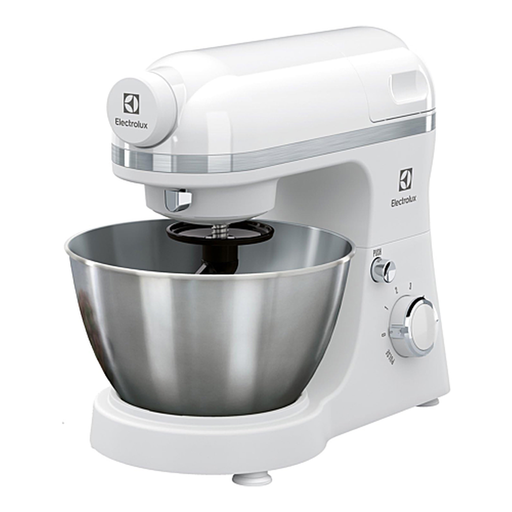
Why this choice suits this profile: Its 4.1 L bowl and six speeds are ideal for everyday recipes, without taking up as much space as a large-capacity machine.
The listing clearly details the 800 W, bowl volume and included attachments. This lets you compare the model concretely, without being swayed by a vague promise of versatility.
Removable stainless steel bowl, six speeds with Pulse function, whisk, dough hook and flat beater. The removable parts are stated as dishwasher-safe.
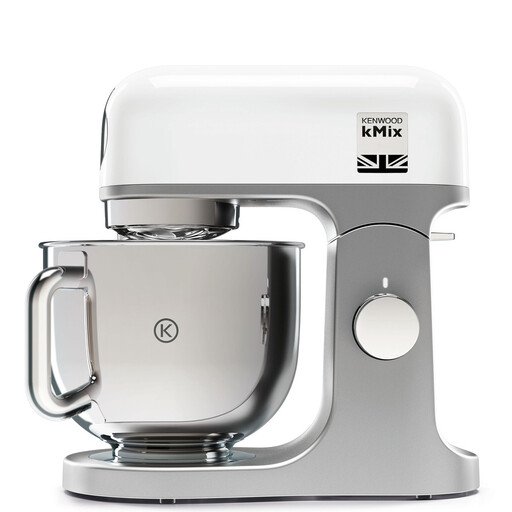
Why this choice suits this profile: Regular bakers will appreciate its metal construction, 5 L bowl and features designed for delicate preparations.
Electronic control, soft start and the Gentle Mix function offer tangible settings, rather than simply displaying a wattage figure.
Motor rated at 1,000 W, planetary mixing action, metal attachments and the ability to add more than 15 attachments, according to the manufacturer's information.
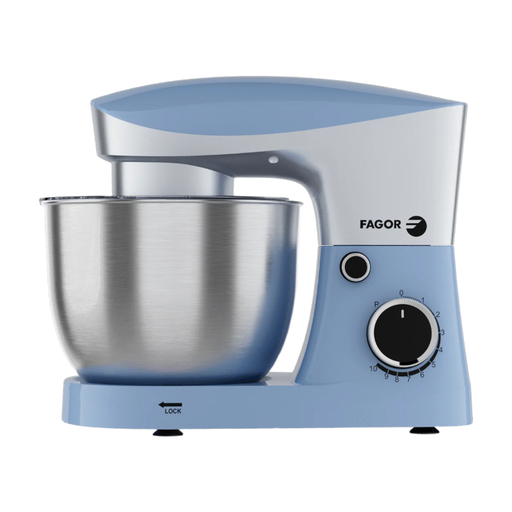
Why this choice suits this profile: Its 6 L bowl, ten speeds and stated power of 1,500 W make it suitable for large batches and more demanding doughs, within the limits set out in the manual.
The listing distinguishes the total capacity of 6 L from the working capacity of 5.7 L. A far more useful guide to avoid overfilling the bowl.
Ten speeds plus Pulse, stainless steel bowl, stainless steel attachments, overheat protection and suction feet, according to the specifications provided.
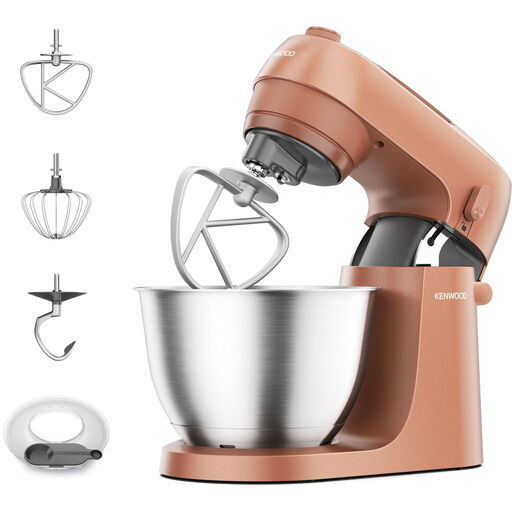
Why this choice suits this profile: With a stated height of 30 cm and a 4 L bowl, it adapts to the constraints of a flat or a shallow worktop.
Its dimensions are clearly stated in the listing. You can check it will fit in your kitchen before ordering, rather than relying on photos alone.
800 W motor, six speeds with Pulse, 4 L stainless steel bowl, dough hook, whisk and K-beater included.
We've put together a comprehensive, real-time updated list of products that fully meet these strict selection criteria as well as European safety regulations.
For general domestic use, models rated between 800 and 1,000 W can handle many preparations. For bread, pay particular attention to torque, maximum dough capacity, stability and overload protection. A high power rating doesn't mean you can exceed the manufacturer's stated limits.
The noise level depends on the speed selected, the texture of the dough, the worktop and the motor design. Some listings quote values such as under 60 dB or around 75 dB, but these figures are only comparable if the measurement conditions are identical. The term 'quiet' therefore doesn't mean the machine is silent.
The lifespan depends on how often you use it, whether you respect the quantities, how well you maintain it and the availability of spare parts. To limit wear, avoid overloading, let the motor cool down after prolonged kneading and only use attachments compatible with your model.