
Livraison le jour même ou le lendemain

Qualité garantie

Débloquez vos offres de bienvenue: Livraison GRATUITE | Jusqu'à -80 % | 30 jours d'essai gratuits à JoyPlus
Téléchargez l'application
Packing your child's school lunch is a daily ritual. Yet, choosing the right lunch box can quickly become a real headache. Between marketing promises and the day-to-day reality of the cafeteria or playground, disappointment is common. A backpack soaked in salad dressing, a lunch that comes back untouched because the box was impossible to open, a latch that gives out after just a few weeks... These are the kinds of everyday little disasters that are surprisingly easy to avoid.
As a Product Expert at Joybuy, my mission is to help you see things more clearly. Let's skip the technical jargon and get straight to the point. Here are the most common pitfalls to avoid and the essential criteria for choosing a stainless steel lunch box for kids that will truly live up to its promises.
The 3 Pitfalls to Avoid When Buying a Kid's Lunch Box:
To avoid these pitfalls, you just need to check a few key points. These details are the difference between a purchase you'll regret and a kid's snack box that will last you for years.
The container of the box should be made of stainless steel, ideally food-grade 18/8 (or 304). This material is praised for its robustness, its neutrality (it doesn't impart any taste to food or retain odours), and its ease of cleaning. It's the gold standard for a healthy and durable stainless steel lunch container for kids. For the lid and other components, insist on a BPA-free label. This is an essential precaution for a BPA-free snack box intended for food contact for young children.
A leak-proof lunch box for kids worth its salt relies on two pillars:
A child's independence at lunchtime is paramount. A good school lunch box must be designed with them in mind. A lid that is attached to the base prevents it from getting lost. Brightly coloured or large latches are easier to spot and handle. A rectangular shape is often the most practical for optimising space in a backpack.
Every family has different needs. Here are a few models that meet our criteria for quality and practicality, tailored to specific user profiles.
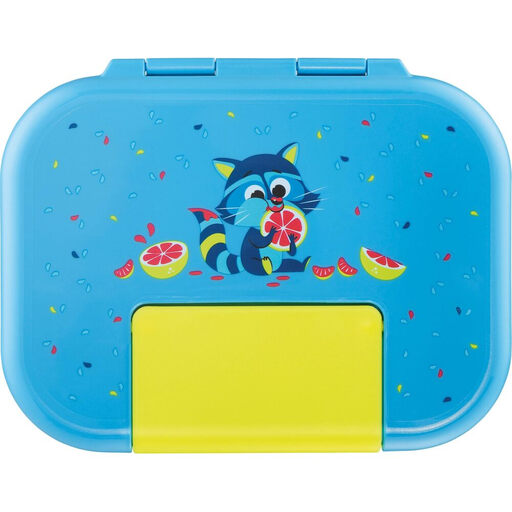
Why we chose it: This model is specially designed for the youngest children. Its large, fluorescent latch is very easy to spot and operate, and the lid remains attached to the base – impossible to lose it in the cafeteria.
It counters the pitfall of a complex latch. The unique clip system is ultra-intuitive and requires no force, ensuring maximum independence.
Durable stainless steel container, attached lid, and an opening system designed for little hands. Dishwasher-safe for easy cleaning.
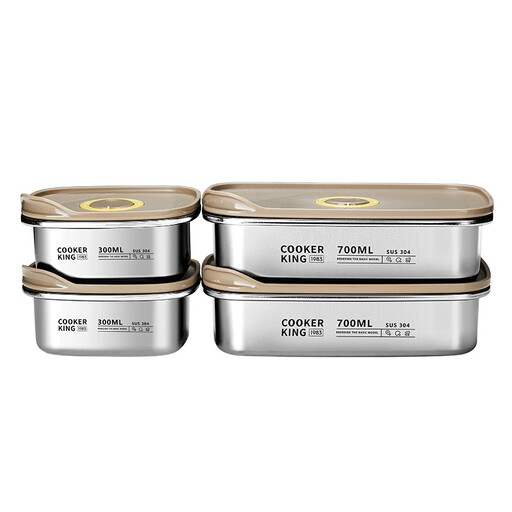
Why we chose it: For parents who love preparing kid's bento style meals, this set of four stainless steel boxes is an ultra-versatile solution. It allows you to separate the main course, starter, dessert, or snack, without mixing flavours or textures.
It solves the problem of a single container where everything ends up mixed together. The modularity helps preserve the integrity and taste of each food item.
A 4-piece set made of 100% stainless steel, stackable for optimised storage and space-saving in the fridge or cupboards.
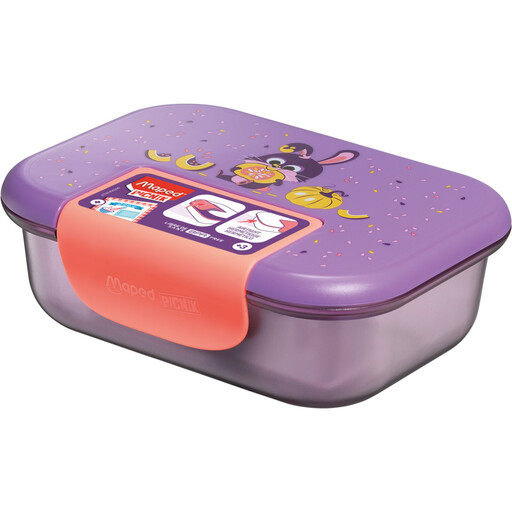
Why we chose it: For some children, a fun design makes all the difference. This model of Maped lunch box combines the technical advantages of the range (easy latch, attached lid, stainless steel container) with a playful design that turns mealtime into playtime.
It avoids the trap of a functional but plain box that a child might reject. The colourful design encourages them to take ownership of the object and its contents.
Combines an engaging design with all the practical benefits: large 900 ml capacity, leak-proof seal, and easy opening.
We have selected the best models on the market for you, all of which meet our demanding specifications and the strictest safety standards.
Yes, the vast majority of stainless steel containers are dishwasher-safe; it's one of their major advantages. As a precaution, however, it is recommended to place the plastic lid in the top rack to prevent it from warping and to preserve the seal over the long term.
No, absolutely never. Metal, including stainless steel, should never be placed in a microwave oven. It can damage the appliance, cause sparks, or even start a fire. If you need to reheat a dish, simply transfer its contents to a microwave-safe bowl or plate.
This information must be clearly stated on the packaging or product page. Look for "BPA-free" or corresponding logos. This is your guarantee that the product complies with strict European regulations on food contact materials.