
Livraison le jour même ou le lendemain

Qualité garantie

Débloquez vos offres de bienvenue: Livraison GRATUITE | Jusqu'à -80 % | 30 jours d'essai gratuits à JoyPlus
Téléchargez l'application
Switching to a stainless steel lunch box is a smart move for healthier, more cost-effective, and eco-friendly lunches. But here's the catch: there's often a world of difference between marketing promises and reality. Disappointing insulation, a leaky lid... it's easy to end up with a useless product. As a product expert at Joybuy, my mission is to help you navigate the options. Follow this guide to avoid the common pitfalls and make the perfect choice.
The market is flooded with options, and marketing claims are often misleading. Keep an eye out for these three weak points that can turn a good investment into a real disappointment.
To ensure the longevity and practicality of your stainless steel lunch container, here are the technical points to examine closely.
The type of steel is the number-one indicator of the quality and lifespan of your stainless steel food container.
For a hassle-free lunch on the go, these two features are inseparable.
Your cooking style will determine the ideal format.
To illustrate these criteria in action, here are a few models that each meet a specific need.

The user profile: Ideal for those who want a genuinely hot meal at the office, even without a microwave. Its large 1.5L capacity can hold a full meal, soup, or chili, keeping it at the right temperature until lunchtime.
Its vacuum-insulated double-wall design ensures true temperature retention, unlike basic models. The 316 stainless steel eliminates any risk of corrosion, even with saucy dishes.
Premium 316 stainless steel. Wide mouth for easy eating and cleaning. Secure screw-on lid guarantees a perfect seal.
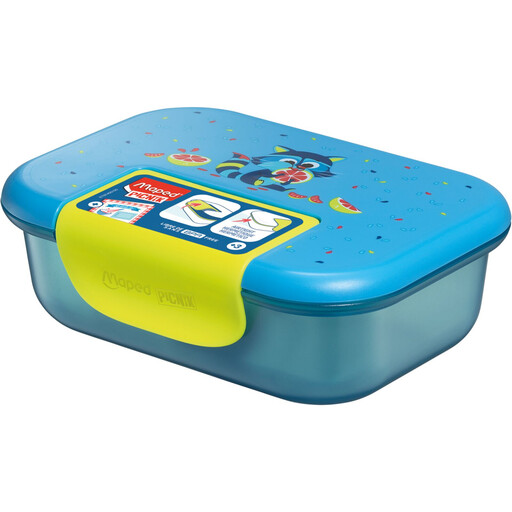
The user profile: Designed for kids' meals, whether at school or on an outing. The durable stainless steel withstands bumps in a school bag, and its kid-friendly opening mechanism helps them be more independent.
The lid is attached to the base, so it won't get lost—a common playground problem. The large clip is easy for little hands to operate, preventing lunchtime meltdowns.
Easy-open design for kids. Lid attached to the box. Durable stainless steel base is dishwasher-safe for hassle-free cleaning.

The user profile: Perfect for *meal prep* fans who prepare their week's meals in advance. This set of three sizes (600, 1100, and 2200ml) can store all kinds of portions, from snacks to full meals, in the fridge or freezer.
The 316 stainless steel ensures food stays fresh without any taste transfer over several days, even with acidic ingredients. Their stackable design optimises space in the fridge and cupboards—goodbye, clutter!
Versatile set of 3 sizes. High-quality 316 stainless steel. Freezer and dishwasher-safe for easy use and maintenance.
We have curated a complete selection of products that meet our selection criteria and current safety standards.
No, never! You must never put any metal object, including a stainless steel container, in a microwave oven. The metal reflects the microwaves, which can create sparks, damage your appliance, and even cause a fire. To reheat your food, simply transfer it to a microwave-safe plate or container.
Stainless steel is very easy to maintain. Most containers (without their lids, if plastic) are dishwasher-safe. For hand washing, hot water, dish soap, and a soft sponge are all you need. For stubborn odours (like curry or fish), let the open container soak for a few hours in a mixture of water and baking soda before rinsing.
For everyday use with low-acid foods (sandwiches, lightly dressed salads, leftover pasta...), 304 stainless steel is more than sufficient and more budget-friendly. However, if you're a fan of tomato-based sauces, soups, or lemon marinades, investing in a 316 stainless steel model is a wiser choice. It guarantees maximum durability and a perfectly neutral taste over the long term.