
Livraison le jour même ou le lendemain

Qualité garantie

Débloquez vos offres de bienvenue: Livraison GRATUITE | Jusqu'à -80 % | 30 jours d'essai gratuits à JoyPlus
Téléchargez l'application
Opting for a stainless steel lunch box is a smart move for healthier, more economical, and sustainable meals. But in a saturated market, it's tough to navigate. Between promises of absolute leak-proofing and various steel types, making the wrong choice is all too easy. As a product expert, my mission is to decode fact from fiction and guide you toward the features that truly matter.
Before you commit, watch out for these two common pitfalls:
To avoid disappointment, ignore the marketing hype and focus on concrete technical criteria. Here are the three points to scrutinise to choose a stainless steel food container that will last you for years.
This is the number-one criterion, yet it's the least visible. Most containers are made from food-grade stainless steel, but two grades dominate the market:
A good seal relies on the perfect pairing of the lid and its gasket. A rigid lid with strong locking clips ensures even pressure. The gasket itself must be made of high-quality silicone, thick enough and securely seated in its groove to prevent it from going missing in the dishwasher.
Even with a good system, assume that most boxes are leak-resistant, not 100% leak-proof. For soup, nothing beats an insulated food jar (thermos-style) with a screw-on lid; it's the only truly reliable solution.
It all depends on your habits:
To put theory into practice, here are three models that stand out for their smart design and meet specific needs.
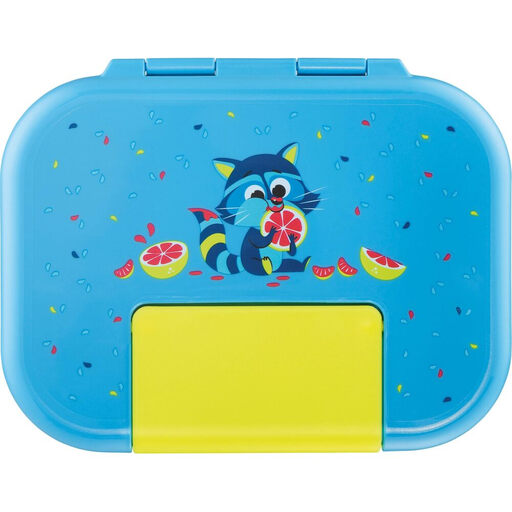
Why this model? Perfect for parents who want a robust and easy-to-use kid's lunch box. It's designed to help young children be more independent, whether at the school cafeteria or on a field trip.
The brand is upfront: it doesn't promise to be leak-proof for liquids. The seal is designed to keep solid or moist foods (fruit, sandwiches) securely in place. The attached lid and large clip are clever solutions to the common problems of lost parts and difficult opening.
Its locking clip is a breeze for even the smallest hands to operate. The lid is attached to the base, which guarantees it will never get lost. The 18/8 stainless steel container is durable and dishwasher-safe for easy cleaning.

Why this model? Designed for fans of homemade food and advance meal preparation (the famous *meal prep*). This set of stainless steel storage containers combines versatility and durability for optimal storage in both the fridge and freezer.
This set gets straight to the point by using 316 stainless steel, the highest quality available. The result: unbeatable resistance to corrosion, even with acidic or salty foods stored for several days. Flavour neutrality and food safety are maximised.
The trio of sizes (600, 1100, and 2200 ml) covers every need, from a simple snack to a family-sized meal. They are stackable to optimise storage space. Being freezer and dishwasher-safe, they radically simplify the *meal prep* routine.

Why this model? The ideal solution for anyone who wants to enjoy a proper hot meal (soup, stew, etc.) at the office, on campus, or after a workout. Simply put, it's a reliable, hot adult bento box.
No confusion here: this is a true insulated food jar. It swaps clips for a screw-on lid, which is much more secure for liquids. The brand is transparent, advertising a heat retention of 4 to 6 hours without making unrealistic promises.
Its vacuum-insulated double wall effectively retains heat. The wide opening is a real bonus, making it easy to fill, serve from, and clean. The use of 316 stainless steel makes it a durable and perfectly safe investment.
We have curated a full range of products that meet these criteria for quality and durability.
No, absolutely not. Metal, including stainless steel, should never be placed in a microwave oven. It reflects microwaves, which can cause sparks, damage your appliance, and pose a fire hazard. To reheat your meal, transfer it to a microwave-safe container (glass, ceramic).
Stainless steel is a non-porous material that generally doesn't retain odours. However, improper cleaning can leave behind food residue. Wash your container after each use with hot, soapy water. Pay special attention to the silicone gasket, which you can remove for a thorough cleaning. For stubborn odours, an old-fashioned trick works wonders: let a mixture of water and baking soda soak inside for a few hours. Make sure to dry all components completely before storing them.
For daily use with non-acidic foods, the difference is almost imperceptible; 304 stainless steel will do the job perfectly. However, if you're a fan of global cuisine and prepare dishes with lemon, vinegar, soy sauce, or tomatoes, 316 stainless steel offers extra peace of mind. Its superior corrosion resistance ensures that your adult bento box won't degrade one bit, even after years of heavy use with these types of foods. It's a long-term investment.