
Same-day & Next-day Delivery

Quality Guaranteed

Unlock Your Welcome Offers: FREE Delivery | Up to 80% OFF | Free 30-day JoyPlus trial
Download the APP
Choosing the right lunch box for your child can quickly become a daunting task. Between marketing promises and the reality of daily use, it's easy to end up with a product that gathers dust in a cupboard. A stainless steel kids' lunch box stands out as the ultimate healthy and sustainable solution, but beware of the common pitfalls that can turn this good intention into a disappointment. Here’s how to avoid them and make an informed decision for your child's meals, whether at school or on an outing.
To ensure you make the right choice, focus on a few technical details that make all the difference. These objective criteria will help you assess the true quality of a child's snack box.
The material is the heart of the product. Food-grade stainless steel, often identified by the 18/8 or 304 standard, is a guarantee of safety (free of BPA and other harmful chemicals) and neutrality: it won't retain odours or flavours. For a leak-proof snack box, the silicone seal is just as crucial. It must be thick, flexible, and fit the lid perfectly to ensure a completely reliable seal, even with liquid foods.
Independence in the cafeteria or during snack time is paramount. Take a close look at the closing system. Large clips or ergonomic latches are often easier for children to handle than small, hard-to-pinch clips. A lid that is attached to the box can also be a major advantage to prevent it from getting lost.
A durable lunch box is also one that's easy to live with. Check for dishwasher compatibility, which greatly simplifies cleaning. The shape also matters: a rectangular format fits more easily into a backpack than a round one. Some models, like the stainless steel kids' bento box, offer compartments to separate foods—an interesting option for offering a variety of treats.
To help you see more clearly, here are a few models that tick all the boxes, each tailored to a specific need.
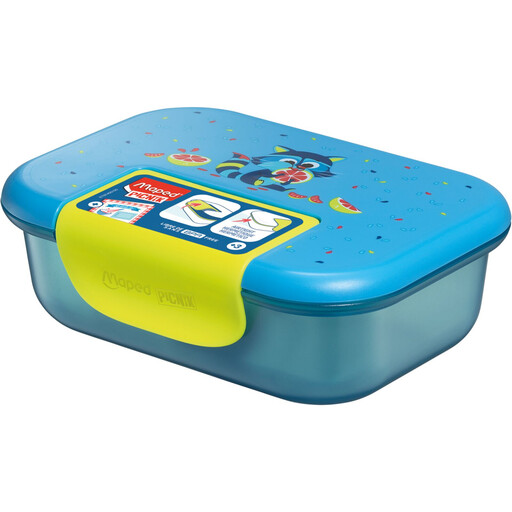
Why we love it: Ideal for parents who want a simple and reliable solution. This model focuses on the essentials: a large 900 ml capacity, robust construction, and details designed for a child's independence.
The large, fluorescent clip is designed for easy handling by children, avoiding the "impossible-to-open box" trap. The attached lid eliminates the risk of loss.
Durable, dishwasher-safe stainless steel construction. The lid attached to the base is a real bonus for not losing anything.
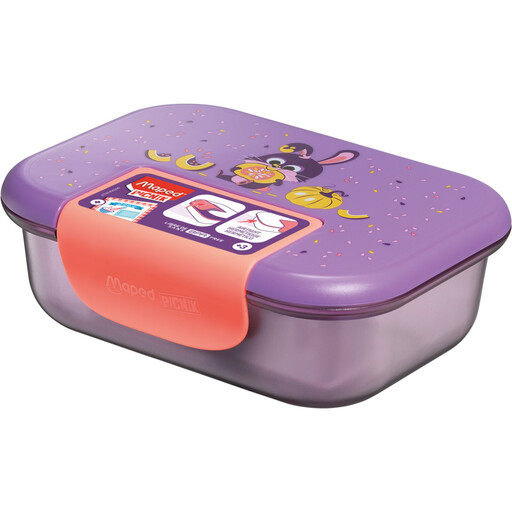
Why we love it: For kids who like their belongings to be as fun as they are functional. This pink and purple **girl's lunch box** with its rabbit design makes mealtime more playful, without compromising on quality.
This model proves that an attractive design doesn't mean it's fragile. It features the same robust construction and easy-to-use closing system as other models in the range.
Combines a fun, kid-friendly design with the benefits of stainless steel: durability, hygiene, and easy cleaning.
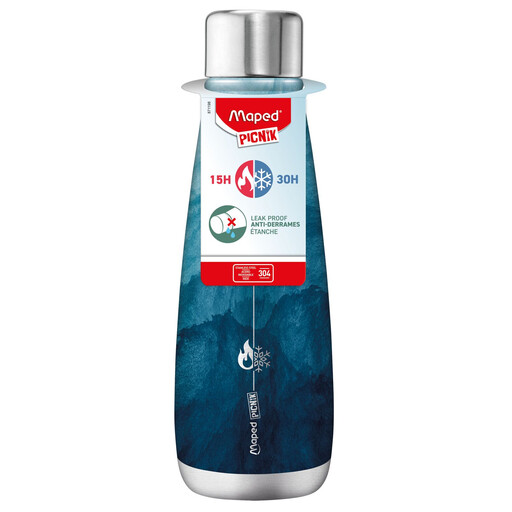
Why we love it: For those looking for a complete and cohesive solution. Proper hydration is just as important as a good meal. This insulated bottle pairs perfectly with a stainless steel lunch box.
Unlike plastic bottles that leak or don't keep drinks cool, this model is perfectly leak-proof, and its double-wall insulation maintains the temperature for hours.
Excellent thermal insulation (up to 15h for hot, 30h for cold, according to the manufacturer). The stainless steel doesn't retain odours, ensuring a pure-tasting drink.
We have selected other products for you that meet our quality criteria and current safety standards.
No, and this is a critical safety point. You should never place a metal object, including a stainless steel lunch box, in a microwave oven. It poses a fire risk and can damage your appliance. The meal should be eaten cold or reheated in a microwave-safe container.
Most quality stainless steel boxes are dishwasher-safe, which makes maintenance much easier. To preserve the life of the seal, it may be wise to wash it by hand. In case of persistent odours (which is rare with stainless steel), cleaning with a mixture of water and white vinegar or baking soda is very effective.
The term stainless steel kids' bento generally refers to a compartmentalised lunch box, inspired by Japanese meal boxes. These compartments allow you to separate different parts of the meal (e.g., the main course, vegetables, and dessert) without them mixing. A classic lunch box, on the other hand, may have only one large compartment. The choice depends on the variety of meals you plan to prepare.