
Livraison le jour même ou le lendemain

Qualité garantie

Débloquez vos offres de bienvenue: Livraison GRATUITE | Jusqu'à -80 % | 30 jours d'essai gratuits à JoyPlus
Téléchargez l'application
An insulated container should make life easier, not give you another chore. Yet some models focus on large capacity or long-lasting insulation, only to reveal their drawbacks in everyday use: a leaky lid, fiddly cleaning, too much weight or contents that lose their temperature too quickly.
Whether you’re a professional, student, parent or keen hiker, choosing the right one is less about looks and more about a few simple things to check. Here’s what to look for before buying stainless steel insulated containers, along with a selection to suit different needs.
A screw-on or clip-on lid isn’t necessarily airtight. Check for a silicone seal, make sure the closure works properly and read the manufacturer’s instructions. Even a food container described as airtight can leak if it’s overfilled, not closed properly or carried upside down.
For soup, sauce or a packed lunch, choose a food flask with a secure closure. Once the lid is on, give it a quick check to make sure it’s secure before putting the container in your bag. Even if it’s described as leakproof, it’s worth getting into this simple habit.
The starting temperature, amount of food, ambient temperature and number of times you open the container can all affect its performance. A thermal lunch box will generally keep food warmer if you preheat it with hot water for a few minutes before filling it. The same trick works with cold water for chilled food.
Insulation times given by manufacturers should therefore be treated as a guide to use, rather than a guaranteed temperature in all conditions.
A large reusable lunch box can be very handy for a full meal. But its empty weight can soon become noticeable in your rucksack. A narrow opening can also make it harder to clean thick soups and remove stuck-on food.
A model with a wide opening that can be taken apart or is dishwasher-safe (as stated in the instructions) will be easier to look after. Don’t forget the seals, straws and other removable parts: these often need the most attention.
304 stainless steel is commonly used in food containers and bottles. 316 stainless steel is another option available on some models. However, the grade of steel alone doesn’t determine the overall quality of a product: insulation, finish, lid and seal design all play an important part too.
A vacuum-insulated double wall limits heat transfer between the contents and the outside. This technology is used in insulated bottles, insulated water bottles and travel mugs.
A large-capacity thermal lunch box won’t suit the same needs as a divided stainless steel lunch box. Check how much room you have in your bag, and remember to factor in the container’s empty weight.
A wide opening makes a food flask easier to fill, serve from and clean. For very hot liquids, let them cool slightly before closing the lid, and check the temperature before drinking. Metal containers should not be put in the microwave unless the manufacturer explicitly says they are suitable for use in your appliance.
To keep the seal working properly, wash the seals separately where possible, dry every part thoroughly and store the container with the lid off. Don’t put fizzy drinks in a model that isn’t designed for them: the pressure could cause a leak or make the lid pop open suddenly.
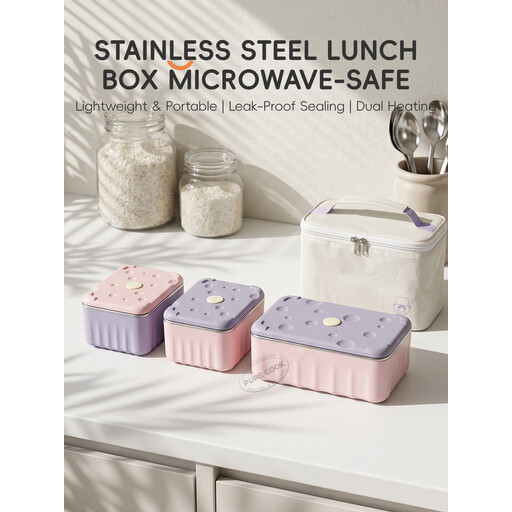
Why it suits this type of user : This set includes a 1,200 ml container, two 600 ml containers and an insulated bag. It makes it easy to keep your main, side, fruit or sauce separate for meals at work, school or on a picnic.
The different sizes help keep food separate, while the bag adds an extra layer of insulation. The silicone ring helps hold the lid in place.
304 stainless steel interior, three containers and stated dishwasher compatibility.

Why it suits this type of user : Its generous capacity is ideal for hearty meals, group outings and days when you won’t have access to a kitchen. The wide opening makes it easy to fill and serve from.
The wide opening makes it easier to wash by hand and reach the contents. However, keep the leakproof lid upright during transport.
316 stainless steel, vacuum insulation, 1.5 l capacity and a stated insulation time of 4 to 6 hours on the product listing.
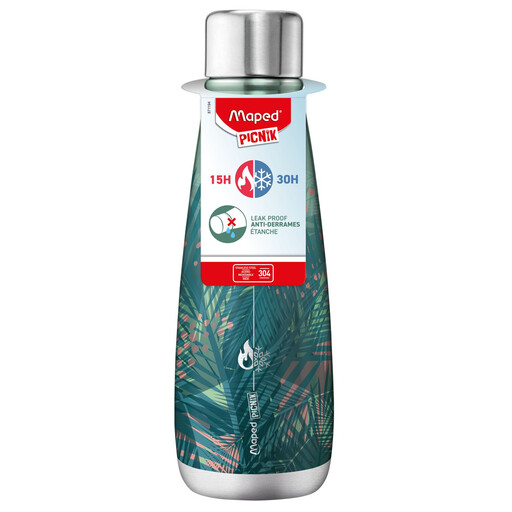
Why it suits this type of user : This 500 ml insulated bottle is a good choice for your daily commute, hiking and outdoor activities. It’s easy to carry, even when your bag is already full.
The leakproof cap and double wall make it suitable for carrying in a bag. The product listing also states that it’s dishwasher-safe.
500 ml capacity, double-walled stainless steel and a stated insulation time of up to 15 hours for hot drinks and 30 hours for cold drinks.
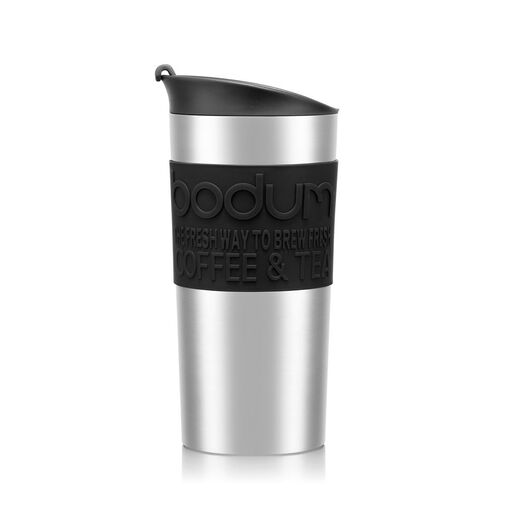
Why it suits this type of user : With a 350 ml capacity, this mug is just right for an individual serving of coffee or tea. Its flip-top lid makes it easy to drink from on the go.
The silicone seal in the lid helps prevent splashes, as long as you close the mug properly and don’t fill it right to the brim.
Double-walled stainless steel, vacuum insulation and a compact 350 ml size.
We’ve brought together a complete selection, updated in real time, of products that meet these exacting criteria and European safety standards.
It depends on the model, how full it is and the starting temperature. Preheating the container with hot water can help reduce heat loss. Check the insulation time stated on the product listing, but don’t treat it as a guarantee for every situation.
For one portion, a capacity of 600 to 900 ml is usually enough. An insulated container with a capacity of 1.4 or 1.5 l is better suited to several portions, a hearty meal or sharing. Just remember to consider its empty weight and how much room you have in your bag.
Wash it after every use, leave it to dry with the lid open and check the seal regularly. Avoid abrasive cleaners, microwaves and fizzy drinks if the instructions advise against them. Replace the lid or seal as soon as you notice a crack, deformation or persistent leak.