
Livraison le jour même ou le lendemain

Qualité garantie

Débloquez vos offres de bienvenue: Livraison GRATUITE | Jusqu'à -80 % | 30 jours d'essai gratuits à JoyPlus
Téléchargez l'application
Switching to a stainless steel food container seems simple enough. It's the ultimate healthy, sustainable, and practical choice for saying goodbye to plastic. However, the market is flooded with products whose tempting promises can hide frustrating everyday flaws. A lid that leaks after three washes, steel that rusts, or a poorly thought-out design can quickly turn what should have been a smart investment into just another bulky object cluttering the back of a cupboard.
To help you avoid these traps, here's a quick look at the most common disappointments.
stainless steel lunch box leaks all over your bag.To find a stainless steel food container that will serve you faithfully for years, focus on a few non-negotiable technical features.
Stainless steel isn't a single material but an alloy with varying compositions. For food-grade use, two grades are highly recommended:
A leak-proof stainless steel container worthy of the name relies on two key elements: a quality seal and an effective locking mechanism.
A good storage solution must be practical. Its ability to adapt to your needs and space is crucial. Look for stackable food container models, whether for nesting when empty or stacking in the fridge when full. This often-overlooked feature makes all the difference in a well-organised kitchen. Freezer and dishwasher compatibility are also essential practical criteria to check.
Instead of an impersonal list, here are products tailored to specific user profiles, keeping in mind the pitfalls and criteria we've just discussed.

Why we chose it: This storage container set is perfect for organising your weekly meals. With three different sizes (600 ml, 1100 ml, 2200 ml), it covers every need, from a snack to a large salad or a main course. It's the ideal solution for prepping lunches in advance or storing leftovers healthily.
Made from 316 stainless steel, it offers maximum protection against rust and corrosion, even with acidic foods. The clip-on lids are designed for a foolproof seal, solving the problem of unexpected leaks.
Premium material (316 stainless steel) for impeccable durability and hygiene. Versatile set with three capacities. Freezer and dishwasher safe for a hassle-free daily routine.
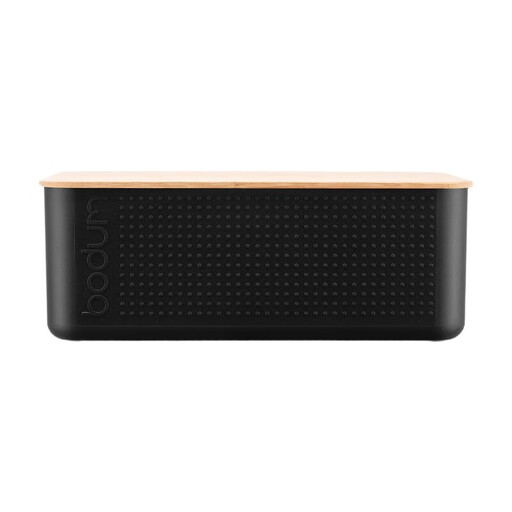
Why we chose it: For those seeking a specific, stylish storage solution for bread and pastries. This isn't a plastic-free lunch box for transport, but a functional design piece for your countertop. Its bamboo lid cleverly doubles as a cutting board.
It meets a specific need with a smart design. The BPA-free plastic body is easy to clean (dishwasher safe), and the bamboo lid is a sustainable resource. It avoids the trap of the inefficient "all-in-one" solution.
Large capacity to store multiple loaves of bread. Multifunctional lid (cutting board and serving tray). Sleek Scandinavian design that adds a touch of elegance to the countertop.
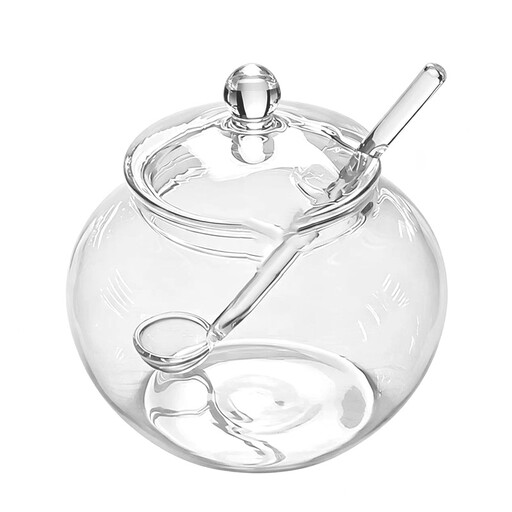
Why we chose it: Glass is another excellent alternative to plastic. This jar is perfect for storing condiments, spices, sugar, or for preparing homemade yoghurts or overnight oats. The integrated spoon is a thoughtful touch that makes serving easy.
Glass is a neutral, non-porous material: it doesn't retain odours or stains and poses no risk of chemical leaching. Its transparency lets you see the contents at a glance, which helps reduce food waste.
Healthy and easy-to-clean material. Compact and functional design with an included spoon. Ideal for organising the pantry or refrigerator.
We have selected a full range of products that meet our criteria for quality and durability.
No, you should never place any metal object, including a stainless steel food container, in a microwave oven. The metal reflects the microwaves, which can damage your appliance and cause sparks. To reheat your food, simply transfer it to a microwave-safe plate or container (glass, ceramic).
One of the major advantages of quality stainless steel is its resistance to stains and odours. However, if a smell (like garlic or curry) does linger, a simple home remedy is usually enough to solve it. Let the container soak in a mixture of hot water and white vinegar, or scrub the inside with a paste of baking soda and water before rinsing. Using grade 316 stainless steel significantly minimises this risk.
Both types of steel are food-grade and perfectly safe for food contact. The main difference is that 316 stainless steel contains molybdenum. This addition gives it enhanced resistance to corrosion caused by chlorides (found in salt) and acids. For a stainless steel bento box used daily with dressings or saucy dishes, 316 stainless steel is a more durable investment.