
Same-day & Next-day Delivery

Quality Guaranteed

Unlock Your Welcome Offers: FREE Delivery | Up to 80% OFF | Free 30-day JoyPlus trial
Download the APP
Switching to stainless steel food containers is the smart move to say goodbye to plastic and opt for a healthy, sustainable solution. But there's a catch: the market is flooded with promises that rarely deliver. A stainless steel food container that rusts after a few washes, a supposedly "airtight" lid that leaks in your bag, or a poorly designed, unusable set—these disappointments are all too common.
Before you pull out your credit card, it's best to know the marketing traps to avoid and the features that truly make a difference. This guide is here to arm you with the right criteria to ensure a successful purchase and long-term satisfaction.
The desire for a durable food container can lead to an impulse buy. To avoid regret, here are three key red flags to watch out for.
The Myth of "Stainless Steel That Never Rusts": Not all stainless steel is created equal. The generic "stainless steel" label can hide a low-quality alloy prone to corrosion when it comes into contact with acidic foods (like tomatoes or lemons) or after repeated dishwasher cycles. The result: rust spots appear, compromising the neutrality and food safety of your container.
The Promise of a Perfect Seal: The leak-proof quality of an airtight food container depends entirely on its gasket and locking system. A poor-quality silicone gasket can harden, crack, or retain odours. The same goes for flimsy locking clips or an ill-fitting lid: their effectiveness quickly deteriorates, making the container useless for carrying your work lunch.
Design That Overlooks Practicality: Containers that are supposedly stackable but are completely unstable, inner rims where food residue gets trapped, lids that warp with heat... these design flaws are common and quickly turn a promising purchase into a daily chore.
To ensure you choose the right stainless steel bento box or the ideal solution for storing food in the fridge, focus on these three essential technical criteria.
The durability and food safety of your container depend directly on the grade of the steel. The two most reliable standards are:
A leak-proof seal relies on the synergy between the lid and the gasket.
A good set of food storage containers should adapt to your lifestyle.
Instead of an endless list, here is a curated selection of products that excel based on the criteria we've just covered, each tailored to a specific user profile.

Why it's our pick: The ideal companion for meal prep enthusiasts who demand reliable and versatile containers. The set of three sizes (600, 1100, and 2200 ml) covers every scenario, from a snack to a family-sized meal.
Its 316 stainless steel provides maximum protection against corrosion, even when in contact with acidic or salty foods. Say goodbye to the trap of low-grade stainless steel that rusts!
A premium material for unbeatable durability and complete peace of mind. Its freezer and dishwasher compatibility simplifies daily life.

Why it's our pick: Perfect for storing food in the fridge. The transparent lids let you identify the contents at a glance, while their deep, stackable design is a real space-saver.
Its borosilicate glass lid is warp-proof, and its EU-standard silicone gasket ensures a perfectly reliable seal. It sidesteps the trap of flimsy lids that promise a seal they can't deliver.
Immediate visibility of contents and generous capacities (1000, 1800, and 3000 ml) ideal for leftovers and family storage.
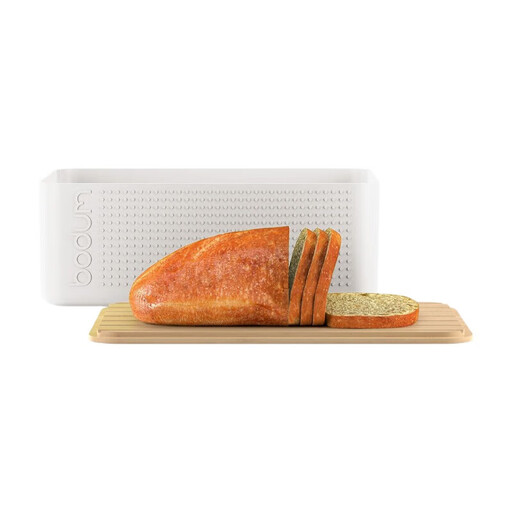
Why it's our pick: An elegant and specialised solution for anyone seeking a **designer bread box**. It combines a large storage capacity with a modern aesthetic that fits into any kitchen.
By addressing a specific need with a smart design, this product avoids the trap of generic containers that are often unsuitable and end up compromising the freshness of your bread.
Its bamboo lid doubles as a cutting board, complete with grooves to catch crumbs. The container, made of BPA-free plastic, is dishwasher-safe (the lid is hand-wash only).
We've put together a comprehensive and up-to-date selection of products that strictly adhere to our selection criteria and current safety standards.
No, under no circumstances. Metal, including stainless steel, should never be put in a microwave. It reflects microwaves, which can damage your appliance or even cause a fire. To reheat your food, simply transfer it to a microwave-safe dish.
For daily cleaning, hot water and dish soap work perfectly. Most quality stainless steel containers are dishwasher-safe. To tackle stubborn stains or a slight metallic odour, make a paste with baking soda and a little water. Rub gently, let it sit for a few minutes, then rinse. Cleaning with diluted white vinegar is also very effective.
Yes, absolutely. 304 steel is the benchmark standard for quality kitchen utensils and guarantees excellent food safety. It resists corrosion very well for storing most foods. Investing in 316 steel is mainly justified for intensive use with very acidic foods (tomatoes, citrus fruits, vinaigrettes) or for absolute peace of mind over the very long term.