
Livraison le jour même ou le lendemain

Qualité garantie

Débloquez vos offres de bienvenue: Livraison GRATUITE | Jusqu'à -80 % | 30 jours d'essai gratuits à JoyPlus
Téléchargez l'application
A beautifully set table, a wonderful meal with friends and family, and then, disaster strikes: a spilled glass of wine, a sauce stain setting in. Choosing a stain-resistant tablecloth is the ideal solution, but the market is flooded with promises that don't always deliver. Between marketing jargon and materials of inconsistent quality, it's easy to end up with a disappointing product.
As a Product Expert at Joybuy, my mission is to help you see things more clearly. Let's skip the technical talk and focus on what really matters. Here are the two main pitfalls to avoid and the real criteria for choosing a tablecloth that finally combines style with everyday peace of mind.
Pitfall #1: Confusing "water-repellent" with "stain-resistant". A water-repellent treatment simply causes liquids to bead up on the surface. While effective at first, it won't hold up for long against greasy (oil, vinegar) or colourful (wine, coffee) stains if they aren't wiped up immediately. A true stain-resistant tablecloth, on the other hand, has a treatment or composition that prevents substances from penetrating the fabric's fibres.
Pitfall #2: The "zero-effort" maintenance promise. Even the most durable oilcloth can be damaged by an abrasive sponge, a harsh detergent, or a hot dish straight from the oven. Similarly, a fabric washable tablecloth can lose its protective treatment after a few machine washes if the care instructions aren't followed to the letter.
To make the right choice, three technical characteristics need a closer look. These will determine the durability, aesthetics, and ease of care for your tablecloth.
This is the number one criterion. Your choice will depend on your lifestyle and priorities.
A tablecloth that's too short or too long can ruin the effect of a beautifully set table. The rule is simple: measure your table (length and width for a rectangular tablecloth, diameter for a round tablecloth) and add a sufficient drop.
A well-calculated drop not only ensures a harmonious drape but also provides better stability for the tablecloth on the table.
The term "washable tablecloth" can mean different things. Always rely on the manufacturer's instructions.
To put theory into practice, here are three models that perfectly illustrate our guide, each meeting a specific need.

Why we chose it: Ideal for protecting the table during daily meals and kids' creative activities. Its playful pattern adds a cheerful touch without sacrificing practicality.
This is a true oilcloth with a vinyl coating. It offers 100% waterproof and stain-resistant protection, far more robust than a simple water-repellent treatment.
Ultra-simple care: a wipe with a sponge is all it takes. The product is delivered rolled to prevent creases.
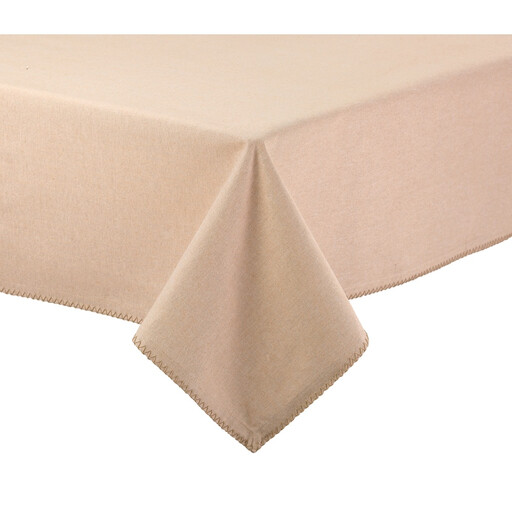
Why we chose it: For those seeking the elegance of fabric with an eco-conscious approach. Its natural colour and neat finish adapt to any decor style.
It combines a premium material (80% recycled cotton) with a true stain-resistant treatment. Its Oeko-Tex certification also guarantees it is free from harmful substances.
Combines aesthetics (hemstitch finish), practicality (machine washable), and environmental commitment.
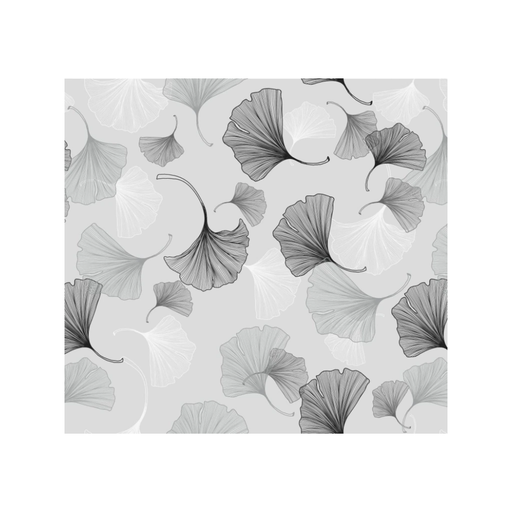
Why we chose it: This proves that oilcloth can be chic. Its stylised botanical pattern and shades of grey, black, and silver bring a touch of contemporary refinement to the table.
It dispels the myth that practicality means dated design. This is a modern tablecloth that offers all the benefits of an oilcloth, with added style.
An elegant design and minimal maintenance for a flawless table every day, even on a round tablecloth.
Discover our complete selection of tablecloths, all chosen for their quality, style, and adherence to safety standards.
An oilcloth is inherently stain-resistant thanks to its waterproof PVC coating. The term "stain-resistant tablecloth" is broader: it can refer to an oilcloth, but also a fabric tablecloth (cotton, polyester, etc.) that has received a special treatment to repel stains. In short, an oilcloth offers maximum protection, while a treated fabric tablecloth prioritises the traditional textile look and feel.
For an oilcloth, the secret is to act fast: clean stains immediately with a soft sponge and soapy water. Avoid direct contact with very hot dishes. For a treated fabric tablecloth, a machine wash at a low temperature (30?°C) and ironing on the reverse side are sufficient. This simple step helps to reactivate the protective treatment and extend its effectiveness.
The golden rule is to add a drop of 20 to 30?cm on each side of the table. For example, for a 160x90?cm rectangular table, a tablecloth of around 220x150?cm would be perfect. For a round table with a 110?cm diameter, opt for a tablecloth that is at least 150?cm in diameter. Pro tip: always measure your table before you buy