
Same-day & Next-day Delivery

Quality Guaranteed

Unlock Your Welcome Offers: FREE Delivery | Up to 80% OFF | Free 30-day JoyPlus trial
Download the APP
A splash of wine, a sweat mark or a rust stain can banish a garment to the back of the wardrobe. Meanwhile, a brand-new pair of jeans can tint an entire wash load. To avoid these nasty surprises, it’s important to understand the difference between textile stain removers, which tackle dirt and marks, and anti-colour transfer sheets, designed to trap some of the dyes released into the water.
The trouble is, packaging can sometimes blur the lines by making multiple promises. Here are the main pitfalls to watch out for before buying a laundry stain remover or anti-colour transfer sheets.
An anti-colour transfer sheet is not a substitute for a stain-removing laundry detergent. You pop it into the drum to capture some of the dye particles released during the wash. It is not designed to treat a grease, blood or coffee stain directly.
Conversely, a stain-removing powder or a product based on active oxygen targets soiling primarily. Some products combine several functions, but you then need to check the instructions and the list of compatible fabrics carefully.
Effectiveness claimed from 20 or 30 °C is handy for eco-friendly cycles. However, it does not guarantee that every stain will disappear, regardless of the conditions. The result depends on how old the stain is, the dosage, the contact time and the type of fabric.
For a set-in stain, pre-treating the area may be necessary. It’s best to avoid increasing the dosage by eye: this can raise the risk of irritation or fading without improving the result.
Products containing oxygen-based bleaching agents, enzymes or certain surfactants can be irritating to the eyes and skin. Before buying, check the pictograms and precautions on the packaging, in line with European CLP labelling.
Keep these products out of reach of children, do not mix them haphazardly and never apply them to your body. For temperature, bleaching and delicate fabrics, the garment’s care label is the ultimate guide.
Compare the stated temperature with your usual washing habits. A product that works from 20 or 30 °C can be useful for short or low-temperature cycles. However, check whether this indication refers to machine washing, pre-treatment or both.
A pre-dosed sachet helps prevent dosage errors, while a large tub of powder offers better value for a household that deals with stains regularly. To compare prices, divide the price by the number of washes stated by the manufacturer, rather than by the product weight or the number of sheets alone.
For sheets, also check whether the manufacturer allows using half a sheet for a small load. This option can reduce the cost per use, but you should not do this if the instructions recommend a full sheet, especially with very dark laundry.
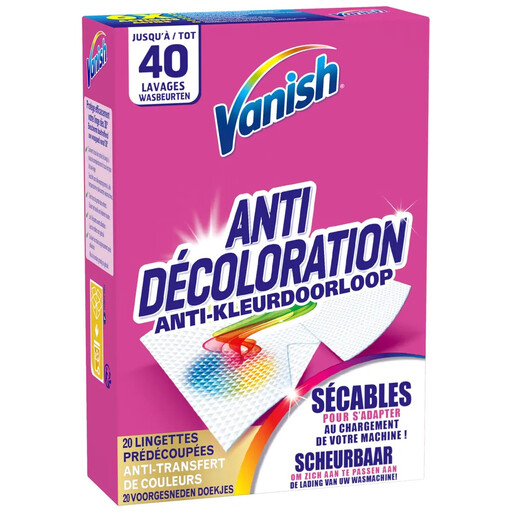
Why this choice suits this profile: With 20 sheets, this format is ideal for a first try. It is used directly during your usual cycle, from 30 °C according to the product information.
The 2-in-1 function is clearly stated, but the sheet is used alongside your usual detergent. So it doesn’t give the impression that it replaces a conventional stain remover.
An absorbent honeycomb microfibre, the option to cut the sheet in half for small loads and up to 40 uses claimed.
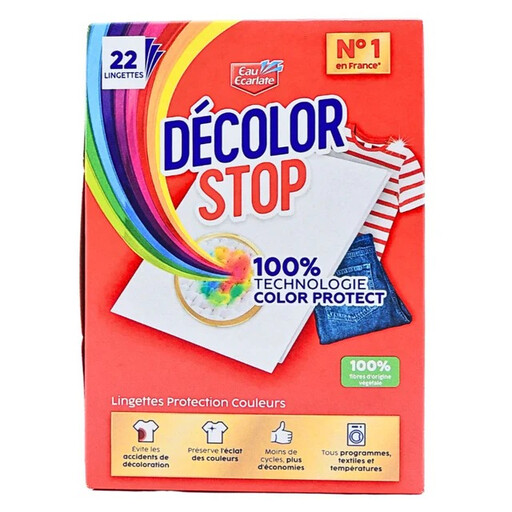
Why this choice suits this profile: Shoppers who care about materials and packaging will find a plant-fibre solution here, with packaging described as recycled and recyclable.
The product information states that using too few sheets can limit the result and recommends using more with very dark fabrics.
22 sheets per box, claimed compatibility with all cycles and temperatures, plant-based fibres.
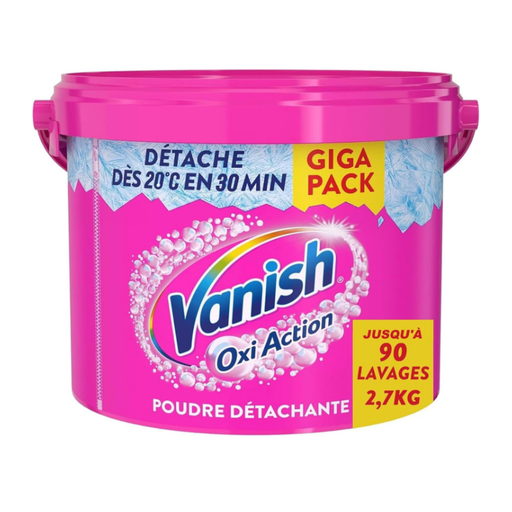
Why this choice suits this profile: Its large format is aimed at households that deal with stains regularly and want to add a stain remover to their cycles from 20 °C.
The product information distinguishes between adding it to the drum or detergent drawer and pre-treating with the scoop. This makes it easier to adapt the use to the stain.
A 2.7 kg format, a scoop with a rubbing head, plus oxygen-based bleaching agents and enzymes listed in the ingredients.
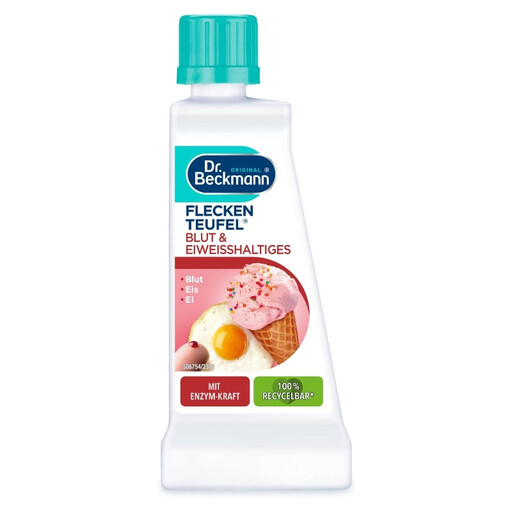
Why this choice suits this profile: Its small bottle is ideal for laundries, holiday lets and households that occasionally deal with rust, deodorant or sweat marks.
This is a targeted treatment, not a universal powder to add to every wash. The product information excludes carpets and leather and requires a patch test on a discreet area.
A 50 ml format, direct application to the stain and a formula described as compatible with coloured fabrics, except for the materials mentioned.
We’ve put together a complete, real-time updated selection of products that meet these demanding criteria as well as European safety requirements.
They can trap some of the dyes released during the wash, but they don’t eliminate the risk. New garments and very dark shades should still be washed separately, especially for the first few cycles. Use the number of sheets stated and follow the manufacturer’s recommendations.
Powder is often suitable for adding to the drum or detergent drawer, as well as for pre-treatment with a scoop. A liquid product in a bottle can be more convenient for targeted application, particularly on rust or sweat marks. The ingredients and compatibility with the fabric matter more than the product format.
Refer to the date and batch number on the packaging. Store the product sealed, in a dry place at room temperature, away from sunlight. Powder that has absorbed moisture or a dried-out sheet may be harder to measure or use correctly.