
Livraison le jour même ou le lendemain

Qualité garantie

Débloquez vos offres de bienvenue: Livraison GRATUITE | Jusqu'à -80 % | 30 jours d'essai gratuits à JoyPlus
Téléchargez l'application
A grease stain, coffee spill or red wine mark doesn't all need the same treatment. Yet many households buy a multi-purpose stain remover without checking its format, whether it's compatible with the fibres, or how to use it properly. The result? An ill-suited product, a discoloured fabric, or a bottle used once before being relegated to the back of a cupboard.
Before comparing products, here are the main pitfalls to avoid.
A product designed for the kitchen, such as an ultra-degreasing gel containing chlorine agents, may work on a hob or extractor hood, but not necessarily on clothing. La Croix ultra-degreasing household cleaning gel, for example, is intended for kitchen surfaces and stubborn grease. It is not a stain remover for clothes.
Using a household cleaner on fabric can leave residue, alter colours or weaken fibres. For laundry, choose a formula explicitly designed for fabrics and always check the garment's care label.
This phrase doesn't specify the type of soiling or the fabric involved. A butter or oil stain doesn't respond to the same treatment as red wine, blood or make-up. For a small, very greasy area, a targeted stain remover for grease and oil can be more effective than a universal formula.
A pre-wash stain remover usually needs a few minutes to work, but leaving it on too long can damage certain fabrics. Always test on an inconspicuous area, especially with coloured garments. Unless the packaging says otherwise, don't let a pre-treatment formula dry on the fabric.
The format should suit your routine. A family running several washes a week won't have the same needs as someone looking for a one-off solution for a shirt.
Formulas based on oxygen-based bleaching agents, enzymes and surfactants target different categories of soiling. According to information provided by manufacturers, enzymes are particularly associated with organic stains, while surfactants help lift greasy soiling.
To preserve colours, choose a formula labelled chlorine-free bleach and stick to the recommended temperature. A formula suitable for colours and whites isn't necessarily right for wool, silk, leather or garments that require dry cleaning.
Always check the exclusions: wool, silk, leather, treated fibres, flame-retardant carpets and non-washable surfaces. Even a fabric stain remover marketed as colour-safe may need a patch test first.
For carpets and sofas, use a product designed as a carpet and upholstery cleaner. Also check whether the product is applied by spraying, dabbing or using a carpet cleaner.
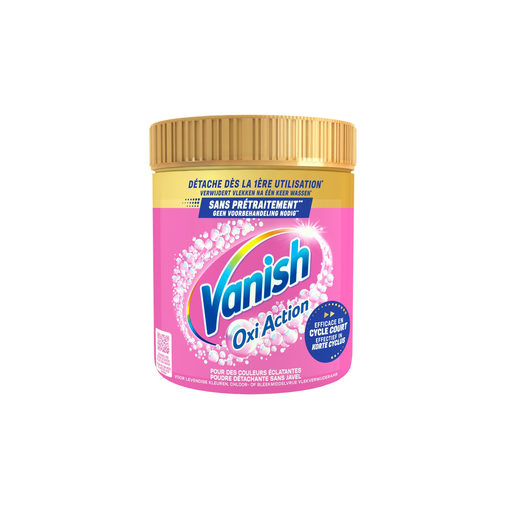
Why this choice suits this profile: At 960 g, this powder lets you give it a try and use it in the machine or as a pre-treatment, without committing to a larger format straight away.
The product page states a chlorine-free bleach formula, usable from 20 °C, provided you follow the dosage and instructions.
A powder that works in the machine or as a pre-treatment, with oxygen-based bleaching agents listed in the ingredients.
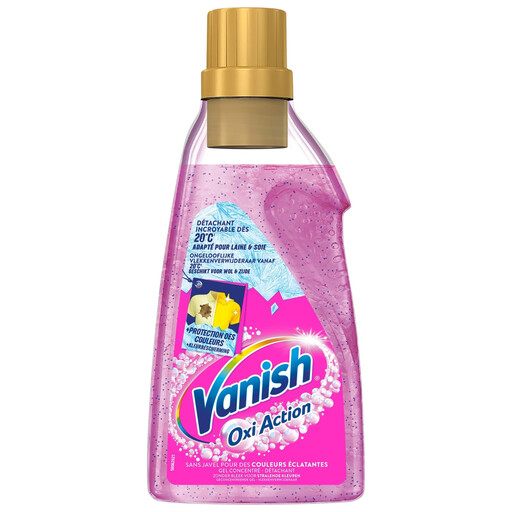
Why this choice suits this profile: Its gel format, dosing cap and applicator tip appeal to users who want precise application and a formula stated as suitable for wool and silk.
The dosing cap lets you limit application to the affected area, rather than treating the whole garment uniformly. Still, always check the care label.
A gel stated as chlorine-free bleach, usable from 20 °C and suitable for short cycles according to the product information.
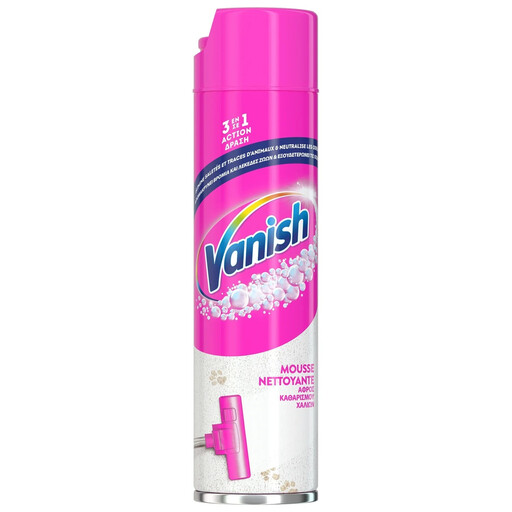
Why this choice suits this profile: This spray is designed for carpets, rugs and upholstery, for everyday maintenance as well as targeted treatment at home.
It stops you from using laundry powder on a sofa or carpet. A test on an inconspicuous area is still essential before the first use.
A 600 ml spray applied by spraying, then dabbing with a cloth or sponge.
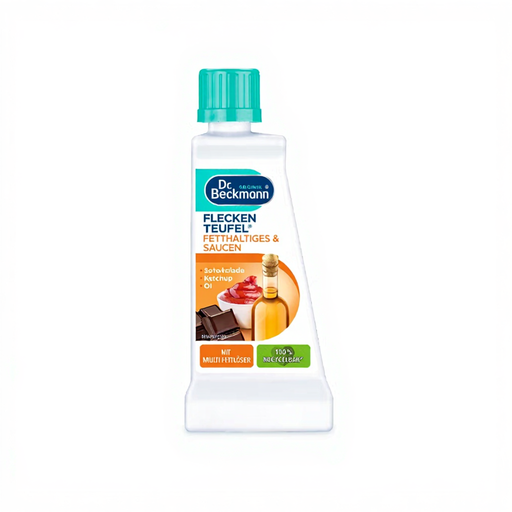
Why this choice suits this profile: This small, specialised bottle is for those who mainly treat butter, oil, sauce, ketchup or chocolate stains.
Its targeted formula stops you from over-dosing a general product on a small greasy stain. It is not intended for carpets or leather.
A formula containing specific solvents for grease, in a handy 50 ml format that's easy to store.
We've put together a comprehensive, real-time updated list of products that fully meet these strict selection criteria and European safety regulations.
For white laundry, a powder containing oxygen-based agents can be considered if the fabric allows it. For colours, choose a formula stated as suitable for coloured fabrics and always check the result after rinsing.
Some products state they can be used from 20 °C, while others start at 30 °C. This information relates to the formula and doesn't replace the instructions on the garment's care label. Also check that the cycle you choose provides sufficient rinsing.
It depends on the product: some sprays need one to two minutes, while certain gels need a few minutes, with a maximum of five minutes. Don't let the product dry on the fabric and follow the instructions on the packaging. An old stain may need a second application rather than a longer dwell time.
Choose a carpet and upholstery cleaner explicitly designed for soft furnishings. Apply it first to an inconspicuous area, avoid soaking the surface and dab with a clean cloth. Don't automatically use a garment stain remover on a rug or sofa.