
Livraison le jour même ou le lendemain

Qualité garantie

Débloquez vos offres de bienvenue: Livraison GRATUITE | Jusqu'à -80 % | 30 jours d'essai gratuits à JoyPlus
Téléchargez l'application
A wine, coffee, grease or mud stain doesn’t always respond to the same treatment. Yet many households still choose their stain remover based solely on the promise printed on the packaging. The result can be disappointing, especially when the product isn’t suited to the fabric or is used at the wrong temperature.
Before buying a laundry stain remover, there are three pitfalls to keep in mind:
The right choice therefore depends on the type of stain, the colour, the fabric and how you intend to use it.
Spray stain remover is especially handy for targeted pre-wash treatment. It lets you tackle a fresh stain on a shirt, pair of trousers or household linen without having to prepare a full wash load.
Gel stain remover offers precise application, particularly thanks to its nozzle or dosing cap. It’s practical for small areas and certain fabrics that need a little more care. Always check the list of suitable materials on the label carefully.
Powder stain remover is generally used directly in the drum, in the detergent drawer or for soaking. It’s better suited to regular laundry loads and households treating several items at once. Some oxygen-based powders claim to be effective from 20 °C or 30 °C, but this instruction must always be followed alongside the dosage and usage directions from the manufacturer.
The phrase “whites and colours” doesn’t mean a stain remover is automatically suitable for all garments. Before any application:
Oxygen-based formulas are often recommended for oxidisable stains such as wine, coffee or certain fruit juices. They shouldn’t be confused with traditional bleach. The ingredients list, hazard symbols and approved surfaces are the only reliable references to follow.
A grease stain, an enzymatic stain and an oxidisable stain don’t all respond the same way. Formulas containing enzymes are generally designed to tackle food residues, milk or sebum. Surfactants target greasy soiling, while oxygen-based agents are associated with certain coloured stains.
A product that claims to be effective at low temperatures can help you avoid hot washes every time, but the stated dosage must be followed. For a stubborn stain, a short pre-treatment is often wiser than adding an excessive amount to the machine.
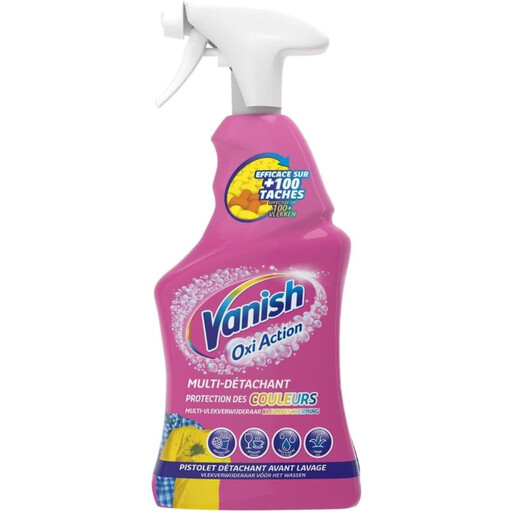
Why this suits this profile: Its targeted application is ideal for anyone who wants to treat a stain before washing, without investing in a large format.
The instructions recommend applying to both sides, rubbing gently, then leaving for one to two minutes before washing. Wool, silk and leather are excluded.
A 750 ml spray designed for everyday and stubborn stains on both whites and colours.
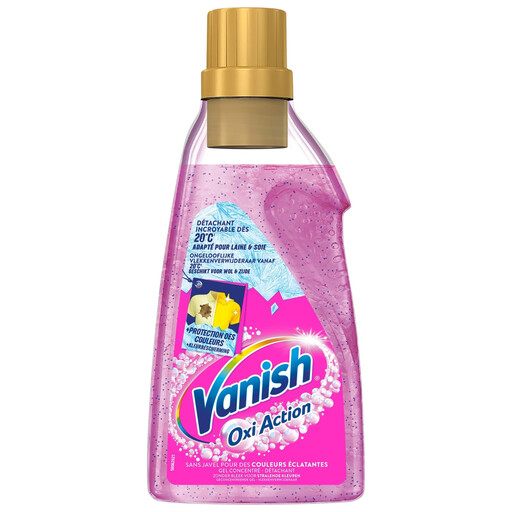
Why this suits this profile: This gel combines a large format, a dosing cap with a scrubbing head and a claimed effectiveness from 20 °C.
The product information states it is suitable for wool and silk, provided the care label is followed. It’s still essential to check compatibility before use.
A chlorine-free bleach gel, available in a 1.5 L format, with claimed colour protection.
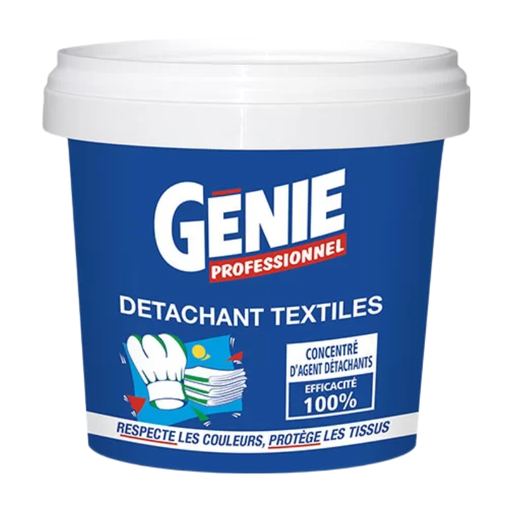
Why this suits this profile: Its formula combines active oxygen, enzymes and surfactants to meet regular or professional needs.
The product information states it is for professional use only and advises against using it on wool and silk. This limitation prevents it being wrongly applied to all fabrics.
A phosphate-free powder, claimed to be active from 30 °C according to the product information, combining several families of stain-removing agents.
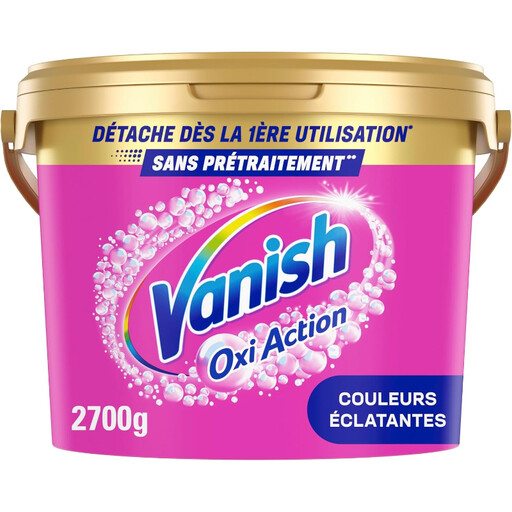
Why this suits this profile: The large pack size is ideal for frequent laundry loads, with claimed effectiveness from 20 °C for everyday washing.
The instructions recommend a dose of around 60 g in the machine and a colourfastness test beforehand.
A 2.7 kg format, a chlorine-free bleach formula and the option to create a paste for pre-treatment.
We’ve put together a comprehensive, real-time updated list of products that meet these strict selection criteria and comply with European safety regulations.
Choose a formula that is labelled as suitable for whites and colours, then test it on a hidden part of the garment. A spray or gel is good for spot treatment, while a powder can be more practical for a full wash load.
Some products claim to be effective from 20 °C or 30 °C. This depends on the formula, the dosage and the cycle selected. It doesn’t guarantee that all stains will disappear in a single wash.
Follow the date and instructions on the packaging. Store the product sealed, in a dry place, away from direct light and out of reach of children. If the powder has become damp or the gel’s appearance has changed, check the instructions before using it.