
Livraison le jour même ou le lendemain

Qualité garantie

Débloquez vos offres de bienvenue: Livraison GRATUITE | Jusqu'à -80 % | 30 jours d'essai gratuits à JoyPlus
Téléchargez l'application
A wine stain on a tablecloth, grease on clothing or muddy marks on a rug all need different treatment. Yet many purchases of fabric stain remover still come down to a promise on the packaging. The format, recommended temperature and compatibility with different fibres often come second.
Before choosing a laundry stain remover, take a moment to look out for three common pitfalls.
A product described as suitable for whites and colours may still be unsuitable for wool, silk, leather or fabrics that need dry cleaning. So check the detailed instructions before relying on a claim such as “all fabrics” — it doesn’t mean the product is suitable for everything.
Some stain removers promise to work at low temperatures, but the instructions can vary depending on the format. A powder can be added to the wash cycle, while a pre-wash spray is applied directly to the affected area and needs time to work. A formula that works at 20 or 30 °C can be useful for short cycles, but you should still follow the garment’s care label.
A container holding several litres or a multi-kilo pack may reduce the cost per use, but only if the product suits your regular needs. For the occasional rust or deodorant stain, a small specialist bottle avoids storing more product than you need and helps reduce waste.
For machine-washable laundry, a stain-removing powder or gel can be added to the wash or used as a pre-treatment. For a sofa, carpet or rug, choose a product explicitly labelled for rugs and carpets or upholstery fabrics. A ready-to-use spray makes it easier to target a specific area, but always test it on an inconspicuous spot first.
Wool and silk need particular care. Check that the product specifically lists them as suitable. If in doubt, don’t use it on these fibres, even if the fabric is washable.
Greasy, protein-based and oxidisable stains don’t all respond in the same way. Formulas combining active oxygen, enzymes and surfactants target several types of dirt, depending on the claims on the packaging.
For a stubborn, dried-in stain, a pre-wash stain remover lets you apply the product precisely. Rust or perspiration stains may need a specialist product rather than a laundry stain remover described as versatile.
Whatever the format, follow the dosage, leave-on time and warnings. Never mix products, and don’t expose pre-treated fabric to heat or direct sunlight before rinsing.
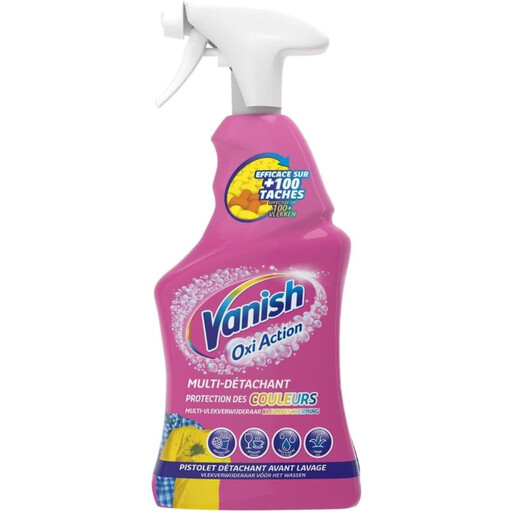
Why it suits this type of user : Its ready-to-use format is ideal if you want to treat everyday stains quickly before putting a wash on, without having to mix anything.
At 750 ml, it’s a sensible size to start with rather than buying a large pack straight away.
Apply directly and leave for 1 to 2 minutes. The product information says it can be used on whites and colours.
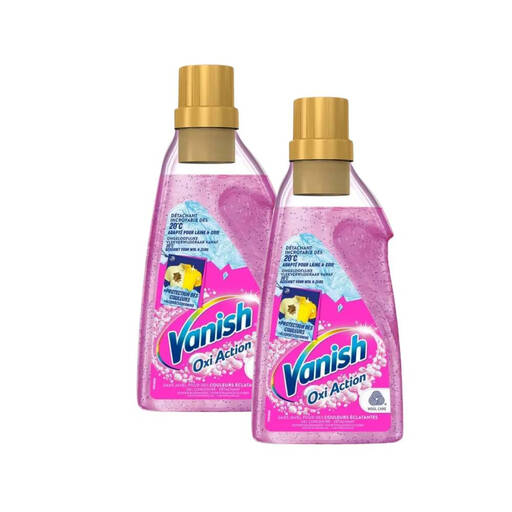
Why it suits this type of user : This multipack of gel is a good choice for households that do laundry regularly and want precise application, including on delicate fabrics listed by the manufacturer.
The product information mentions an active percarbonate formula and specifies which surfaces and items to avoid, helping you steer clear of unsuitable uses.
A total of 3 litres, an applicator cap with a scrubbing tip and stated use from 20 °C.
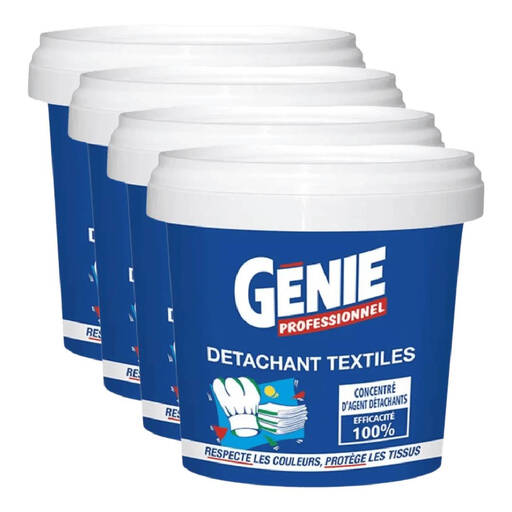
Why it suits this type of user : Its professional-use positioning and powder formula may suit larger families or regular cleaning needs.
The 1 kg pack lets you gauge how much you really use before moving on to packs of 2, 3 or 4 kg.
The product information lists active oxygen, enzymes and surfactants, a phosphate-free formula and use from 30 °C.
We’ve put together a comprehensive, real-time selection of products that meet these strict criteria and the requirements of European safety regulations.
Choose a formula that states it’s suitable for colours, and check its ingredients and any usage restrictions. It’s still best to test it on a hidden area first. For a localised stain, a spray or gel makes it easier to control the amount used than soaking the whole item.
Only if the product is designed for rugs, carpets or upholstery fabrics. Apply a small amount to an inconspicuous area, avoid soaking the material and blot with a clean cloth. The instructions from the upholstery manufacturer should always take priority.
It depends on the dosage, the price per kilo or litre and how often you use it. Powder is generally suitable for regular washing and larger loads. Spray can help reduce waste when you only need to treat a few specific stains.