
Livraison le jour même ou le lendemain

Qualité garantie

Débloquez vos offres de bienvenue: Livraison GRATUITE | Jusqu'à -80 % | 30 jours d'essai gratuits à JoyPlus
Téléchargez l'application
A grease stain on a garment, red wine on a tablecloth, or an old mark on a sofa – these don't all respond to the same product. Yet many purchases are still based on the promise of a "universal" formula, without considering the fabric, the dwell time, or the safety precautions.
Before choosing a stain remover, start by identifying how you intend to use it: pre-treatment before washing, adding to the machine, cleaning a rug, or maintaining a washable surface. This approach helps you avoid unsuitable products and reduces the risk of discolouration or damage to fibres.
A fabric stain remover is designed for specific fibres and must be used according to precise instructions. In contrast, a bleach gel for the kitchen and bathroom is intended for water-resistant surfaces. It should not be applied to a garment, sofa, or rug.
The presence of bleach also requires extra caution: when mixed with acids or other cleaning products, some products can release dangerous gases. Always check the product information before use.
This claim does not guarantee that the product will work on all stains or all fabrics. Grease and oil do not react the same way as wine, coffee, blood, or make-up. The ingredients and application method tell you far more than the slogan on the packaging.
A stain remover left on for too long can alter a colour or weaken a fibre. Some gels need to be rinsed or washed off after just a few minutes. For a product intended as a pre-treatment, also avoid letting the treated laundry dry before putting it in the machine if the label advises against it.
Wool, silk, leather, dry-clean-only fabrics, and flame-retardant textiles require special attention. Some products are explicitly not recommended for these materials, while others are stated as being suitable for wool and silk.
In all cases, test on an inconspicuous area. Also check the garment's care label before applying a fabric stain remover.
For grease, butter, sauces, or oil, a formula containing surfactants and targeted solvents may be more effective. The Dr Beckmann stain remover for grease and oil, available in a 50 ml bottle, is specifically designed for these kinds of soiling. However, it is not recommended for rugs or leather.
For a carpet and rug stain remover or a sofa stain remover, choose a product that clearly states its use on upholstery fibres. The product should generally be sprayed, left in contact briefly, and then dabbed with a clean cloth, rather than rubbed vigorously.
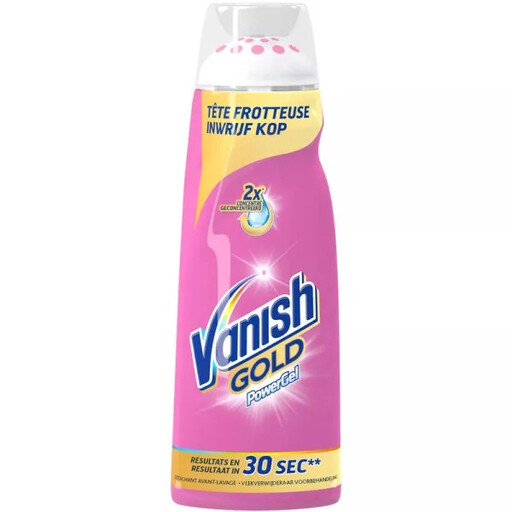
Why this choice suits this profile: Its small size and applicator tip make it easy to treat individual stains without having to invest in a large container.
Targeted application prevents wasting product over the whole garment. The dwell time is clearly limited to 5 minutes.
200 ml format, formula with no chlorine bleach, and suitable for use on colours and whites, following the instructions.
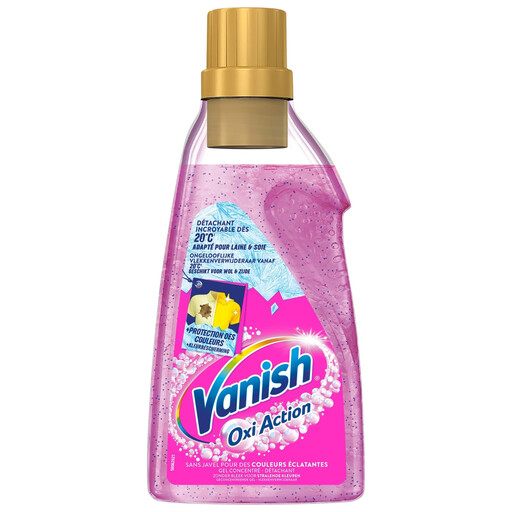
Why this choice suits this profile: This large format is aimed at households that regularly treat their laundry and want a formula stated as suitable for delicate fabrics.
The product information states it can be used on wool and silk. This prevents accidentally choosing a powder or spray that is incompatible with these fibres.
1.5 litre capacity, oxygen-based bleaching agents, and can be used from 20 °C according to the product description.
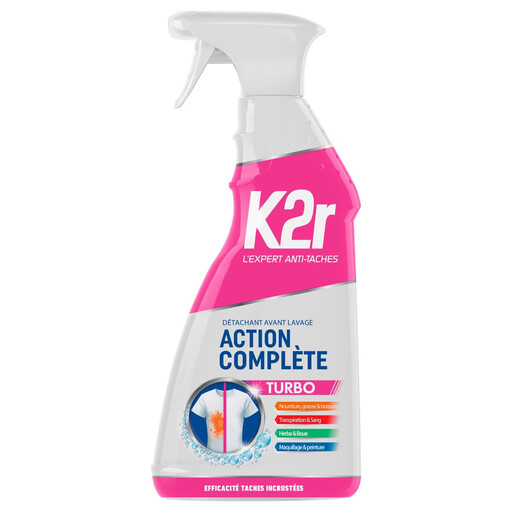
Why this choice suits this profile: Its 750 ml spray format is ideal for families and people who frequently pre-treat stained clothing.
The product information states application before washing and recommends testing on an inconspicuous area first, which helps avoid unpleasant surprises.
Spray format, agents designed for grease, blood and make-up stains, with instructions to use the product in a well-ventilated area.
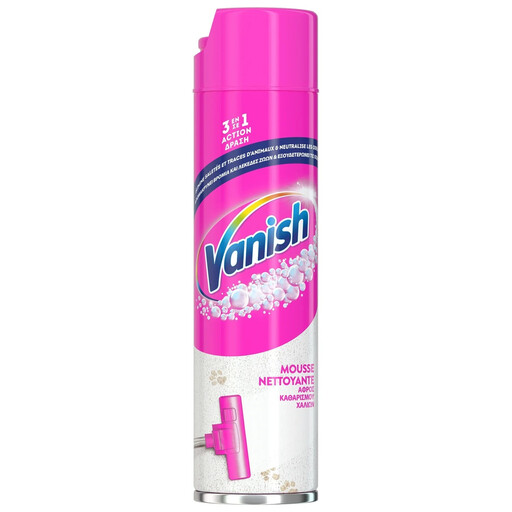
Why this choice suits this profile: This product is designed for carpets, rugs and upholstery fabrics, rather than everyday laundry.
Its use is clearly associated with carpets, rugs and textile floor coverings. So it is not a multi-purpose laundry stain remover being used for the wrong job.
600 ml spray, stated action on fibres and odours, with a recommendation to dab the area with a clean cloth.
We have compiled a comprehensive, real-time selection of products that meet these demanding criteria and European safety standards.
Choose a product specifically designed for greasy substances, for example a fabric stain remover containing targeted solvents. Apply it promptly, check that the colour does not run, and follow the stated dwell time. A product intended for carpets or kitchen surfaces is not necessarily suitable for clothing.
Some formulas are stated as suitable for both coloured garments and white laundry, but this claim depends on following the dosage and usage instructions. Testing on a hidden area is still recommended. For whites, an oxygen-based powder can be considered, while colours require extra attention to product compatibility.
The shelf life depends on the date printed on the packaging and the storage conditions. Keep the bottle or tub tightly closed, in a cool place away from direct light. Do not use a product whose label is unreadable or whose appearance or smell has noticeably changed.