
Livraison le jour même ou le lendemain

Qualité garantie

Débloquez vos offres de bienvenue: Livraison GRATUITE | Jusqu'à -80 % | 30 jours d'essai gratuits à JoyPlus
Téléchargez l'application
Who doesn't dream of a perfectly organised home? Yet, buying storage boxes often turns into a nightmare: plastic that cracks, lids that no longer close, and stacks that threaten to collapse at any moment... Before investing in a new set of storage boxes, it's best to know the pitfalls to avoid to make the right choice.
The most common flaws aren't always obvious in the store. The first is the fragility of the plastic: a budget storage crate might seem to do the job, only to warp or split after a few months under the weight of books or tools. The second pitfall concerns the lid design. If it doesn't fit the base perfectly or lacks guiding edges, stacking quickly becomes unstable, even dangerous. Finally, be wary of so-called "universal" solutions that end up being suitable for nothing, especially when it's a food storage container that requires very specific materials.
For successful home organisation, buying boxes isn't enough: you have to choose the right ones. Here are the points to check to ensure the longevity and practicality of your purchase.
The type of plastic used has a direct impact on the box's durability and its intended use.
stackable plastic storage box. It's known for its resistance to impact, bending, and temperature changes. A box made of thick PP (2.5?mm, for example), equipped with structural reinforcements, will handle heavy loads much better without deforming.storage bin with a lid is essential. Stainless steel is also an excellent alternative for this purpose.The term "stackable" is often just a marketing buzzword. In practice, the stability of the stack depends on crucial design details.
garage storage or a basement.Good organisation is, above all, efficient organisation. Being able to identify a box's contents without having to open it is a huge time-saver.
clear plastic box: This is the ideal solution for clothes, toys, or office supplies. It allows you to spot its contents at a glance.There's a storage solution for every need. To help you find the one that's right for you, here are a few options we recommend, categorised by user profile.
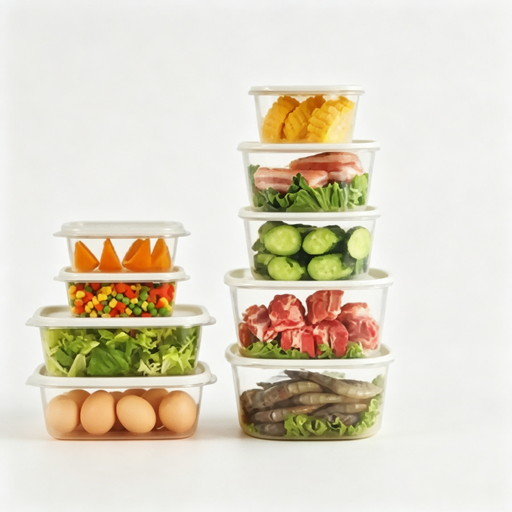
Why we love it: Perfect for meal prep, storing leftovers, and organising the pantry. This versatile set meets all the demands of the modern kitchen.
Unlike basic containers, this set is specifically designed for food use. Its airtight and leakproof lids prevent spills and preserve food freshness.
Microwave and freezer safe, these containers offer maximum flexibility: heat, freeze, and store your food in a single container.
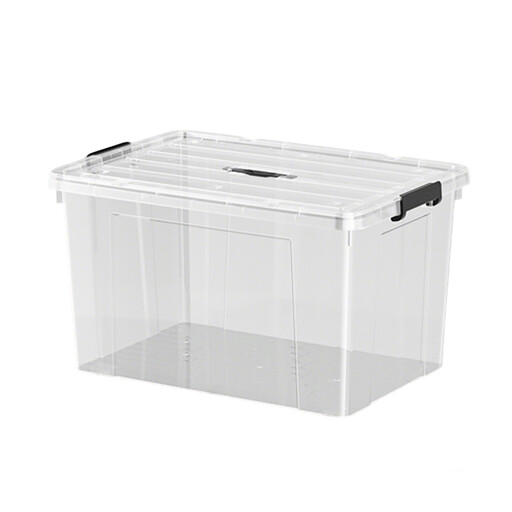
Why we love it: Their large capacity is perfect for bulky items like duvets, winter coats, or Christmas decorations. The ideal solution for the attic, basement, or garage.
Made from 2.5 mm thick polypropylene and featuring reinforcing ribs, they resist warping under weight—the number one flaw of low-end boxes.
The flat lid and non-slip base design ensures stable and secure stacking, thus optimising vertical storage space.

Why we love it: For those who prioritise durability and hygiene, and are looking for a premium, plastic-free alternative for food storage.
This set bypasses the typical problems of plastic (stains, lingering odours, wear and tear). The stainless steel is non-reactive, and the borosilicate glass lid lets you see the contents at a glance.
The body, made of food-grade 304 stainless steel, resists corrosion and is incredibly easy to clean. The silicone seal ensures a perfect, leakproof fit.
Explore our complete, up-to-date selection of products that meet our quality criteria and current safety standards.
For most PP plastic boxes, a simple wipe-down with a damp cloth and mild detergent is sufficient. Avoid abrasive sponges that could scratch the surface. For food containers, check if they are dishwasher-safe. Be sure to dry them thoroughly before storing to prevent bad odours from developing.
Technically, yes, but it's strongly discouraged if you're aiming for a stable and secure stack. The interlocking systems (grooves, ridges) are specific to each brand and model. For optimal safety and stability, it's best to stick to boxes from the same product line.
The fundamental difference lies in the material. A food storage container is made of food-grade plastic (usually certified "BPA-free"), glass, or stainless steel. These materials ensure that no harmful substances will leach into your food. In contrast, a box for garage storage is primarily designed to be robust and impact-resistant; the plastic used is not necessarily suitable for food contact.