Parents topping several crêpes or waffles
A resealable nozzle lets you apply a runny topping straight from the bottle. However, check how much is sold: the Routin 1883 bottle featured by Crêpes de France comes in a case of six.


For regularly topping crêpes or waffles during the school holidays, a squeeze bottle of runny topping can make serving easier. The Routin 1883 bottle described by Crêpes de France has a resealable nozzle, but is sold in cases of six. For toast or less frequent snacks, compare jars instead, taking the quantity you need, ingredients and allergens into account.
A resealable nozzle lets you apply a runny topping straight from the bottle. However, check how much is sold: the Routin 1883 bottle featured by Crêpes de France comes in a case of six.
Before choosing a recipe, check the allergens and any ‘may contain’ information on the label. Carrefour and Auchan product listings show that ingredients vary between spreads, particularly when it comes to milk and soya.
If you mainly spread it on bread and rarely top several desserts at once, choose a quantity that suits how often you’ll use it rather than buying a case of bottles.
Choose this if: you often top crêpes or waffles and want to serve straight from a nozzle.
Bear in mind: the Routin 1883 product described by Crêpes de France is a runny sauce sold in cases of six bottles, not a standard jar of spread.
Choose this if: your snacks are mostly slices of bread with spread, or you want a quantity suited to occasional use.
Bear in mind: you’ll need a utensil to top crêpes or waffles, rather than serving from a nozzle.
| What to consider | What to check | Who is it for? |
|---|---|---|
| Serving and portioning | Check the product type, whether it has a resealable nozzle and how much is sold. | When I’m topping several crêpes or waffles, I want to serve the topping without repeatedly reaching for a spoon. Around 42% of consumers would prioritise this need for easy portioning. |
| Recipe and label | Read the ingredients, allergens and nutritional values per 100 g; check the Nutri-Score if one is shown. | If I need to avoid an ingredient or compare sugar levels, the recipe name alone isn’t enough to help me choose. Around 33% of consumers would prioritise checking the label. |
| Quantity and storage | Compare the number of units, net weight or volume, and storage instructions after opening. | For just a few snacks, I’d rather choose a quantity my household can use as directed on the packaging. Around 25% of consumers would put packaging that suits their needs first. |
The Routin 1883 topping described by Crêpes de France is runny and designed to be dispensed through a nozzle. Its case of six bottles may not suit the same needs as a jar for spreading on toast.
First, think about how you’ll serve your snacks, then check the exact packaging.
The DGCCRF describes Nutri-Score as a voluntary label in France. If it appears on a product, it doesn’t replace checking the ingredients and nutritional values.
Compare nutritional information per 100 g and ingredient lists, whether or not the logo is shown.
Carrefour’s listing for Nutella Plant-Based mentions hazelnuts and soya; Auchan Bio’s listing mentions hazelnuts and milk. These descriptions alone aren’t enough to tell you what a product contains.
If you need to avoid an allergen, check the ingredients and any ‘may contain’ information on the label of the product you buy.
These products offer different uses and recipes. Check the listing and the label for the specific product before choosing.
A runny chocolate and hazelnut sauce in a squeeze bottle, designed for drizzling.
The brand offers spreads in jars, as well as Nutella & Go, a snack format to take with you.
An organic cocoa and hazelnut spread sold in a 400 g jar.
An organic chocolate and hazelnut spread sold in a 750 g jar.
These spreads are suitable for toast or desserts that need topping. If you want to serve straight from a squeeze nozzle, check the packaging: don’t assume a spread has a nozzle just because of the ways it can be used.
 Image unavailable
Worth considering for toast or for topping pancakes and waffles.
If you want to serve straight from a nozzle, check the packaging type, and make sure you check the allergens listed on the label.
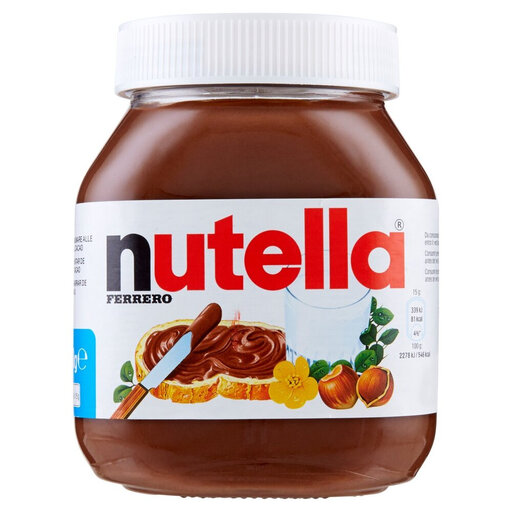 Image unavailable
This jar is ideal for spreading on toast or serving with pancakes.
It doesn’t have the dispensing nozzle you’d need for squeeze-bottle serving. Check the ingredients and allergens before buying.
 Image unavailable
Worth considering for toast or desserts if you’re looking for a 200 g size.
Check the packaging if a dispensing nozzle is essential, and follow the storage instructions after opening.
 Image unavailable
Worth considering for toast or for topping pancakes and waffles.
If you need a dispensing nozzle, check the packaging. Also read the allergen information and storage instructions after opening.
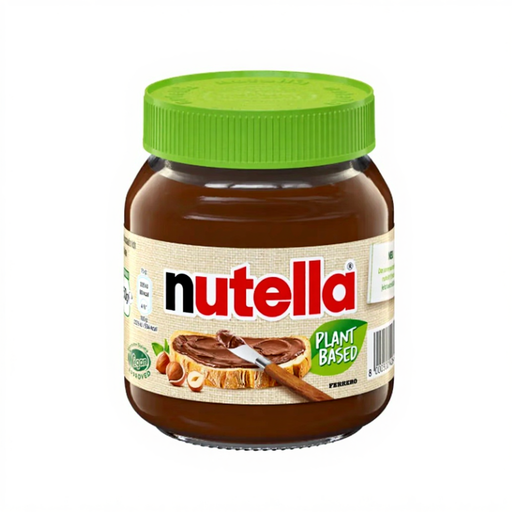 Image unavailable
Worth considering if you’re looking for this plant-based version for toast or desserts.
Carrefour’s listing for the 350 g version mentions hazelnuts and soya. Check the label on the product you buy, and check the packaging if you want a squeeze nozzle.
First, check how many bottles are sold together and how often you’ll use them. The Routin 1883 product described by Crêpes de France contains 500 ml per bottle and is sold in cases of six. For a few slices of toast, a jar in a suitable size may be a better fit.
No. The DGCCRF describes Nutri-Score as a voluntary label in France. If it isn’t shown, read the ingredients and compare nutritional values per 100 g rather than drawing conclusions from its absence.
Check the allergens listed in the ingredients and any ‘may contain’ information on the label of the product you buy. Carrefour and Auchan listings for the products featured here mention hazelnuts, milk or soya, depending on the recipe. An ‘organic’ or ‘plant-based’ label doesn’t replace these checks.
No, not to spread. According to Légifrance, the relevant levy applies to drinks and liquid preparations for drinks. The bottle alone doesn’t change the product category. To compare spreads, check the amount of sugars per 100 g instead.