
Same-day & Next-day Delivery

Quality Guaranteed

Unlock Your Welcome Offers: FREE Delivery | Up to 80% OFF | Free 30-day JoyPlus trial
Download the APP
Choosing a new flower pot? It seems simple enough. But who hasn't been frustrated by a model that cracks at the first frost, or whose colour fades to a washed-out pastel after a single summer? A square planter is a fantastic asset for structuring a patio, adding greenery to a balcony, or warming up an interior. But beware of the common pitfalls that can quickly turn a joyful purchase into a regret.
Topping the list of disappointments are unkept promises of durability and poorly designed water reservoir systems. A pot proudly labelled "weather-resistant" but moulded from low-grade plastic will inevitably end up cracking. As for a poorly designed self-watering planter, it risks causing root rot—the exact opposite of the desired effect. Follow our guide to learn how to read between the lines on labels and make a truly sustainable choice.
Looks are one thing, but the material is what determines your planter's lifespan, especially if it's intended for outdoor use.
A planter's size isn't just measured in centimetres, but also in litres. An unsuitable volume can stunt a plant's growth and cause the soil to dry out faster.
A large flower pot isn't a luxury; it's a condition for survival for many plants. For a small shrub or a generous floral arrangement, a 40cm planter of about 30 to 40 litres is a good starting point. For larger plants or to create a real focal point on your patio, aim for containers of 50 litres or more. Always check the volume in litres—it's the best way to ensure your plants have enough room to thrive.
Good drainage is essential to prevent root suffocation. Most quality planters come pre-drilled or have designated areas for you to drill yourself.
The self-watering planter is a clever innovation, ideal for weekend getaways or for those who tend to forget watering. An effective system relies on a grid or supports that separate the root ball from the reservoir. Water is then drawn up by capillary action, hydrating the plant continuously without drowning it. For outdoor use, make sure there is an overflow drain to handle rainy days.
Instead of an endless list, we've selected three products for specific uses to help you find the perfect match.
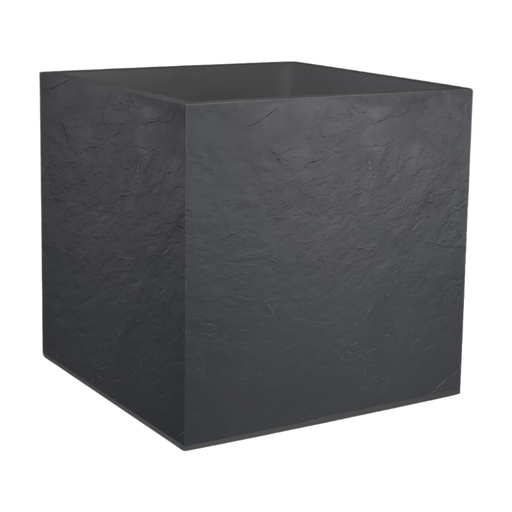
Why we chose it: Its large size (57L) and clean, stone-effect designer planter look are perfect for defining spaces, creating alignments on a large patio, or housing a shrub. It's an architectural element in its own right.
Its double-walled design provides real thermal insulation, making it a truly frost- and UV-resistant planter. Here, the promise of durability isn't just a marketing claim—it's built into the product's very design.
Very large volume (57L) and effective thermal insulation to protect roots in any season.
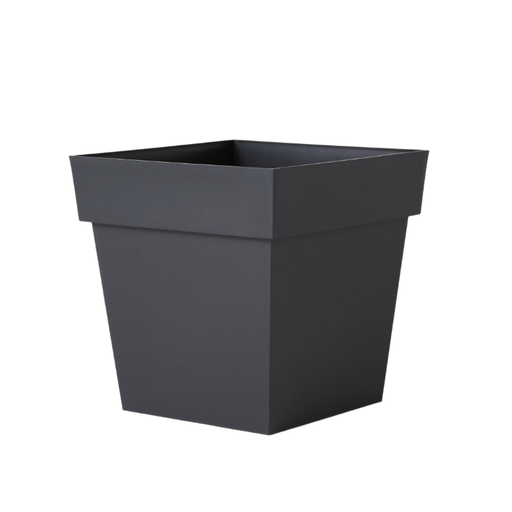
Why we chose it: It combines a comfortable volume (38L) with a simple and effective self-watering system. The perfect option for having beautiful plants without daily maintenance.
The water retention area is designed to prevent direct contact with the roots, thus avoiding rot. Most importantly, the manufacturer's 7-year warranty (in mainland France) is a concrete commitment against discolouration and breakage.
Integrated water reservoir and a long-term warranty for total peace of mind. Made in France.
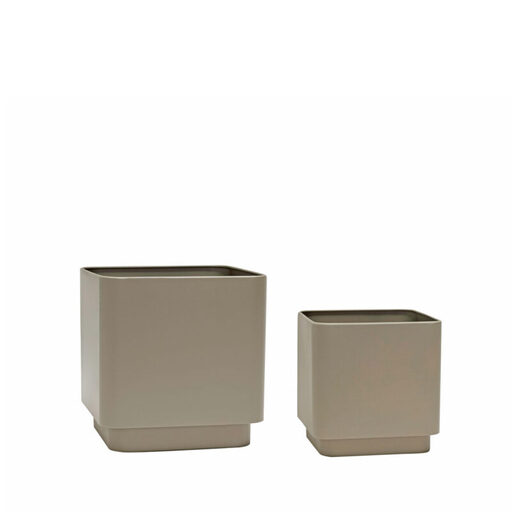
Why we chose it: This set of two iron pots offers an industrial-chic aesthetic that fits perfectly into contemporary interiors. The different sizes allow you to create a harmonious visual composition in a living room or entryway.
Clearly intended for indoor use, it makes no false promises about weather resistance. The focus is on the essentials: the quality of the material (iron) and the design.
Sold as a set of two for coordinated decor, with a confident style and a premium material for indoors.
Discover our full selection of products that meet our criteria for quality and durability.
Look for the explicit "frost-resistant" label and check the material. High-quality polypropylene, especially with a double-walled design, is a safe bet. A long-term manufacturer warranty, like the 7 years offered by EDA on certain models, is also an excellent sign of confidence.
It's a real bonus for most indoor and balcony plants that prefer consistent moisture. However, for succulents, cacti, and other Mediterranean species that require very well-draining, dry soil between waterings, a classic pot with good drainage holes remains the best option.
For a young shrub, think big from the start: a large flower pot of at least 40cm per side (like a 40cm planter), which is 30 to 50 litres, is ideal. This will give it enough space to develop its roots for several years before you need to think about repotting.