Hosts sharing a jar
You want to choose an amount that suits the number of guests and the other food you’re serving. The sizes offered by Carrefour, E.Leclerc and ALDI show why it’s worth checking the jar’s weight before you choose.


For Friday drinks with a sweet twist, first choose a size that suits the number of guests, then compare the recipe and nutritional information per 100 g. A claim such as ‘no palm oil’ or ‘no added sugars’ relates to a specific criterion, but you should still check the ingredients, allergens and, where relevant, polyols. Nutri-Score can be a useful addition when it appears on the jar; its display is voluntary in France, according to the DGCCRF.
You want to choose an amount that suits the number of guests and the other food you’re serving. The sizes offered by Carrefour, E.Leclerc and ALDI show why it’s worth checking the jar’s weight before you choose.
You want to compare sugars and fat on a like-for-like basis, per 100 g. According to the DGCCRF, most prepacked foods display nutritional information; Nutri-Score is optional.
You’re looking for a particular recipe or need to consider the people you’ve invited. A product listing for a Poulain spread at Carrefour mentions hazelnuts, milk and soya, among other ingredients. Check the information on the jar you plan to serve.
If you’re serving a spread with drinks, start by thinking about how much you’ll need, then check the nutritional values and ingredients of the jar you choose.
| Criterion | What to check | Who is it for? |
|---|---|---|
| Size for sharing | The weight of the jar and how much you plan to serve. | If I’m hosting several people, I want enough spread without choosing a size that’s far too large. Around 45% of consumers put this question of quantity first. |
| Nutritional information | Sugars and fat per 100 g; polyols if the recipe contains them. | I want to compare recipes on the same basis before choosing. This is the top priority for around 33% of consumers. |
| Recipe and allergens | Ingredients list, declared allergens and any ‘may contain’ warnings. | If a guest needs to avoid an ingredient, I need to check the exact jar before serving it. This is the top priority for around 22% of consumers. |
A family-size jar may be handy for sharing, but its size alone tells you nothing about the recipe or how much you’ll need.
Estimate how much you’ll serve alongside the other food you’ve planned, then check the information on the jar you’ve chosen.
According to the DGCCRF, Nutri-Score is voluntary in France. So its absence alone is no reason to judge a spread.
Compare sugars, fat and salt per 100 g; use Nutri-Score as additional information when it’s displayed.
A Poulain spread described by Carrefour as containing no palm oil includes hazelnuts, milk and soya lecithins. The claim about oil doesn’t tell you about all the other ingredients.
Read the full ingredients list, declared allergens and any ‘may contain’ warnings on the exact jar.
Dukanella’s manufacturer listing states that it contains sugars and 50 g of polyols per 100 g, despite presenting the product as having no added sugars.
Check the ‘of which sugars’ line, whether polyols are present and the full ingredients list, rather than relying on the claim on the front of the pack.
A chocolate and hazelnut spread to consider if you’re looking for a familiar recipe to share.
The retailer offers a range of spread sizes and recipes, both under its own labels and from other brands.
A range of sizes and recipes to compare, depending on how much you need and which ingredients you’re looking for.
The Tartichoc spread listed by ALDI may suit anyone looking for a 750 g jar to share.
A recipe described by Auchan as having ‘no added sugars’, worth considering if this is one of your criteria.
These jars of hazelnut and cocoa spread come in three sizes to consider for a sweet treat to share. Choose a size based on how much you plan to serve, then check the recipe and nutritional information for the product you select.
 Image unavailable
A size to consider if you’re planning to serve spread to several guests. Check the ingredients and allergens on the jar before sharing it.
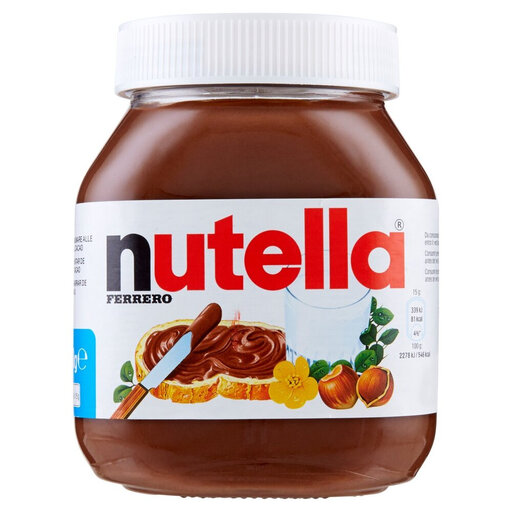 Image unavailable
Another size to consider for sharing if a 1 kg jar is more than you plan to serve. Check the label on this size to compare its recipe and nutritional values per 100 g.
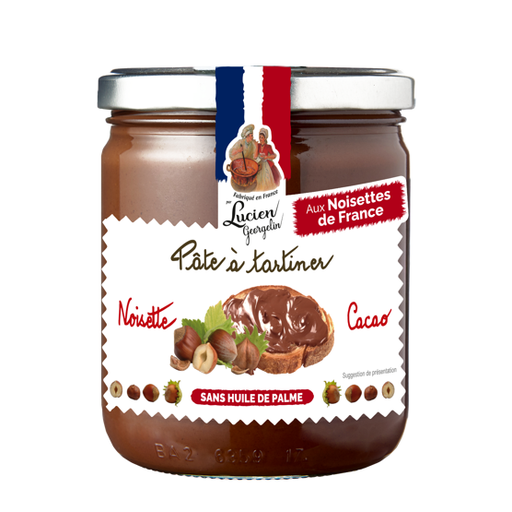 Image unavailable
A 400 g jar to consider if you’d like to serve a smaller amount of hazelnut and cocoa spread. Check the ingredients and allergen information on the exact product.
No, its display is voluntary in France, according to the DGCCRF. For most prepacked foods, the nutritional information lets you check sugars and fat per 100 g, whether or not Nutri-Score is shown.
Read the ingredients, declared allergens and any ‘may contain’ warnings on the exact jar. A claim such as ‘no palm oil’ doesn’t mean it’s free from hazelnuts, milk or soya.
No. The French Ministry of the Economy describes this contribution as applying to sugary drinks, not spreads. However, sugar content is still worth checking in the nutrition table when comparing jars.