When choosing a spread for an older adult’s afternoon snack, first check the ingredients for anything that may be unsuitable due to allergies. Then look at the sugar content and how much will be eaten. According to Santé publique France, displaying the Nutri-Score is voluntary. If the logo isn’t shown, check the nutrition information and ingredients list rather than assuming a score based on its absence.
Who is this choice for?
People comparing sugar content
If you want to keep a spread for an occasional afternoon snack, compare the ‘of which sugars’ figures per 100 g with the amount actually served. A displayed Nutri-Score can also help, but it can’t determine the right portion for everyone.
Households mindful of portion size
Choose a jar size that suits how often you have afternoon snacks and how many people will use it. A large jar is of little use if some of the product is likely to go unused.
People with dietary requirements
Check the exact recipe before buying: the product listings reviewed mention hazelnuts, milk or soya, depending on the version. A ‘plant-based’ or ‘organic’ label is no substitute for checking the ingredients and allergens.
What should you check?
To compare spreads for an afternoon snack, start with any dietary requirements. Then compare the nutrition information and choose a size that suits how much you expect to use.
| What to consider |
What to check |
Who is it for? |
| Sugars and labelling |
Compare the sugars per 100 g, then consider the amount served. Check the Nutri-Score only if it is displayed for the specific recipe. |
For an occasional afternoon snack, I want to compare sugar content before choosing a recipe; around 50% of consumers rank this as their top priority. |
| Size |
Check the net weight and storage instructions after opening, based on how often you expect to use it. |
If the jar will only be used occasionally, I’d prefer a size the household can finish; size is the top priority for around 33% of consumers. |
| Recipe suitability |
Read the ingredients and allergen information for the version you’re considering, including any warnings about possible traces. |
If an allergy or other dietary requirement applies, I need to rule out any unsuitable recipe; around 17% of consumers prioritise this check. |
Mistakes to avoid
-
Assuming a Nutri-Score from the fact it isn’t displayed
According to Santé publique France, displaying the Nutri-Score is voluntary. A product without the logo therefore doesn’t automatically have a good or bad score.
Compare its nutrition information and ingredients list with those of the other recipes you’re considering.
-
Choosing a large jar without considering how you’ll use it
The size should suit how many afternoon snacks you have planned; an infrequently used jar could stay open for a long time.
Check the net weight and storage instructions on the product.
Buying more than you expect to use can lead to waste.
-
Assuming ‘plant-based’ or ‘organic’ means allergen-free
A feature highlighted on the packaging doesn’t tell you everything about the recipe. Carrefour’s listing for Nutella Plant-Based, for example, mentions hazelnuts and soya.
Check the ingredients and allergens for the version you’re buying, especially if they affect your choice.
Spread brands to know
Nutella
The brand offers, among other products, a hazelnut and cocoa spread and a Plant-Based version. Check the ingredients of each separately.
- Carrefour’s listing for Nutella Plant-Based mentions hazelnuts and soya lecithins.
- The Carrefour listing checked for the hazelnut and cocoa recipe doesn’t display a Nutri-Score; its absence doesn’t tell you what the product’s score is.
Nustikao
E.Leclerc lists this Marque Repère spread in a 1 kg jar.
- E.Leclerc’s listing shows the nutrition information for this product.
- It gives the product a Nutri-Score of E and lists 58 g of sugars per 100 g. These figures apply to this specific product, not every spread from the brand.
Funkie
Carrefour lists an organic praline spread from this brand.
- This recipe offers a different ingredient profile to consider when choosing.
- The claims highlighted by the brand are no substitute for comparing the nutrition information and ingredients of the version you’re considering.
Rigoni di Asiago / Nocciolata
Auchan’s listing for Nocciolata bianca describes an organic hazelnut spread.
- Auchan states that this version contains 30% hazelnuts.
- The same listing mentions milk, so check the allergens for the specific recipe before choosing it.
Spreads available on Joybuy
These spreads differ in particular in their size or the recipe described. For an older adult’s afternoon snack, compare the labels and make sure the size you choose suits how you plan to use it.
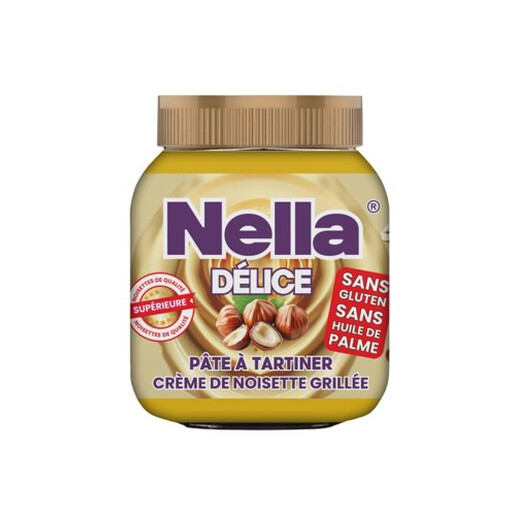 Image unavailable
NELLA roasted hazelnut spread 320 g
This 320 g jar may suit you if you only need a small amount for afternoon snacks. Check the ingredients, allergens and nutrition information for the recipe you choose.
View on Joybuy
 Image unavailable
Nutella spread 750 g
This 750 g jar is better suited to being used over several afternoon snacks. Check the sugars and allergens listed for this version, rather than assuming the information is the same for another size.
View on Joybuy
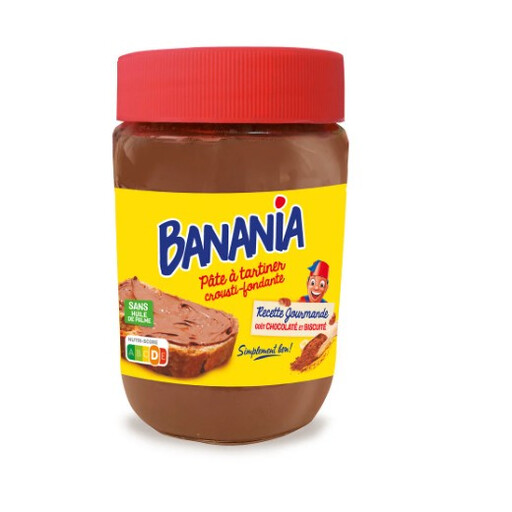 Image unavailable
Banania palm oil-free spread 400 g
This 400 g product may suit you if you prefer a recipe described as palm oil-free. That doesn’t tell you about its sugar content or allergens, so check the label for these details.
View on Joybuy
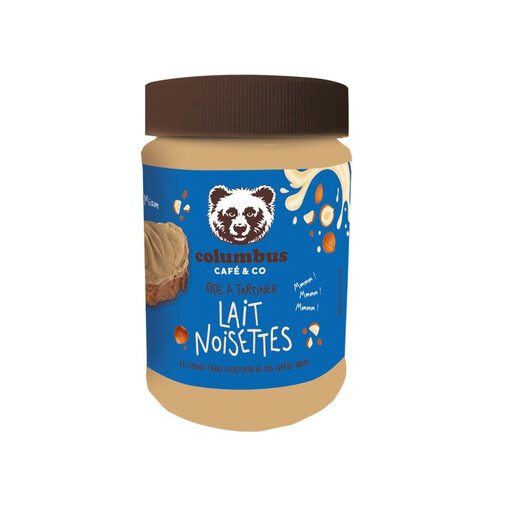 Image unavailable
COLUMBUS spread 400 g
Check the recipe carefully before buying this 400 g jar: the name mentions hazelnuts, while the description refers to almonds. If you need to avoid particular ingredients, don’t choose this product without checking the packaging.
View on Joybuy
Frequently asked questions
Is the Nutri-Score compulsory on spreads in France?
No. Santé publique France and the DGCCRF state that displaying it is voluntary. So you can’t infer a recipe’s score from the absence of a logo; check its nutrition information and ingredients instead.
What should I compare if the Nutri-Score isn’t displayed?
Compare the sugars and fat per 100 g, then consider how much you plan to serve. Also read the ingredients list and allergen information for each specific product.
Does ‘no added sugars’ mean ‘sugar-free’?
No. Anses points out that ingredients can contain naturally occurring sugars even when no sugar has been added. Check the ‘of which sugars’ line in the nutrition information.


