People entertaining on the terrace
If everyone is having the same spread, one jar to share may be enough. Before choosing a large format, estimate how much you’ll use during and after your drinks and nibbles.


For drinks and nibbles on the terrace, choose a large jar if several people will be sharing the same spread and you’ll use up the rest. Separate portions are a better choice if you’re also preparing lunch boxes. Before choosing a multipack, check how many jars it contains and their weight, then read the label for the exact product: the ingredients, allergens and sugar content may matter more than the format.
If everyone is having the same spread, one jar to share may be enough. Before choosing a large format, estimate how much you’ll use during and after your drinks and nibbles.
Separate containers can make it easier to portion things out. However, check how many units are in the pack and whether the recipe is suitable for the people who’ll be eating it.
Compare the sugar per 100 g, ingredients and allergens for each product. If the Nutri-Score is shown on the packaging, it can help you compare products, but shouldn’t replace checking the label.
First decide whether you’ll mainly be sharing the spread or preparing portions to take with you. Then check the exact recipe, especially if any guests have allergies.
| Criteria | What to check | Who it matters to |
|---|---|---|
| Format and quantity | Compare the total weight, the weight of each container and the number of portions you’ll actually need. For a multipack, confirm how many units it contains. | If I’m serving several people and then preparing lunch boxes, I want enough spread without being left with a quantity I won’t use. Around 42% of consumers prioritise this choice of format. |
| Sugar and labelling | Check the sugar per 100 g in the nutrition information. If a Nutri-Score is shown, compare it with products in the same category and check the ingredients list too. | When choosing between two recipes, I’d rather know their sugar content than rely on the word ‘organic’ or the number of jars. Around 33% of consumers put this first. |
| Allergens and ingredients | Check the allergens listed on the exact product and any ‘may contain’ warnings. Don’t assume that every jar in a multipack is suitable for the same people. | When I’m serving guests or preparing a lunch box for someone with an allergy, the ingredients in each product should guide my choice. This is the top priority for around 25% of consumers. |
The levy described by the Ministry of the Economy applies to sugary drinks, not to choosing a jar of spread.
To compare recipes, check the ‘sugars’ line in the nutrition information, shown per 100 g.
According to Santé publique France, producers choose whether to display this logo. Whether it’s present or not, you should still read the nutrition information.
If it is shown, use it to compare spreads in the same category, then check the sugar per 100 g and the ingredients.
Carrefour’s listing for a multipack of three 250 g jars of hazelnut, chocolate and macaron-piece spreads states that it is unavailable. So spotting a format you like isn’t enough to plan your portions.
Before planning your lunch boxes, confirm availability and the number of jars with the store or collection service you’ve chosen.
Warnings vary by recipe. The Carrefour multipack listing mentioned above includes hazelnuts, milk, egg and almonds, while other products may warn that they could contain peanuts or other nuts.
Read the packaging of the product you’re serving and consider each guest’s needs before portioning it out.
Carrefour and Auchan list Nutella jars in different sizes, including 750 g and 1 kg.
Carrefour’s range includes 400 g, 750 g and 1 kg hazelnut spreads under this brand.
E.Leclerc lists a 400 g spread made with 35% hazelnuts from Lot-et-Garonne.
Auchan lists a 400 g organic cocoa and hazelnut spread, described as palm-oil-free.
A Carrefour listing describes a pack of three 250 g jars of chocolate and hazelnut spread with pieces of macarons.
These products include single jars in different sizes for sharing the same recipe, as well as a 25 g format to consider for a portion to take with you. For the latter, check how many units are included before planning several lunch boxes.
 Image unavailable
Worth considering if several people will be sharing the same recipe and you’ll use up the rest of the jar. This single 1 kg jar doesn’t provide separate containers for lunch boxes, so check the ingredients and allergens on the label.
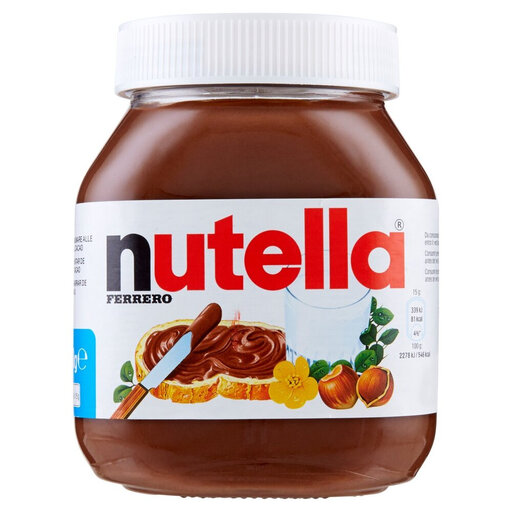 Image unavailable
This 630 g jar gives you a smaller quantity than the 1 kg format to share with others. It doesn’t separate portions for taking with you, so check the label if the ingredients are important for your guests.
 Image unavailable
This single 400 g jar is worth considering if you’re looking for a more modest size to share. The word ‘organic’ doesn’t tell you about the sugar or allergens on its own: check the nutrition information and ingredients list for this product.
 Image unavailable
This single 750 g jar is another size to consider when serving several people. If you also want to prepare portions to take with you, plan to portion them out separately and check the label before serving.
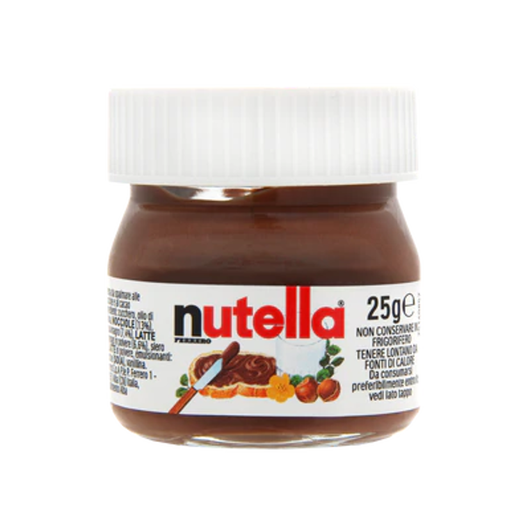 Image unavailable
The 25 g format may suit a portion to take with you rather than serving a group. Check how many portions are included, along with the ingredients and allergens for this product.
The so-called ‘soda tax’ levy described by the Ministry of the Economy applies to sugary drinks, not jars of spread. To compare spreads, check their sugar content in the nutrition information.
No. Santé publique France says that producers choose whether to display it. If it appears on a jar, compare it with products in the same category and check the nutrition information and ingredients too.
Before serving, check the allergens and any ‘may contain’ warnings on the packaging of the exact product. The category name or the name of a multipack isn’t enough: the Carrefour multipack of three 250 g jars mentioned above lists hazelnuts, milk, egg and almonds, among other ingredients.
A large jar is suitable if you’ll use the same recipe more than once and can portion it out yourself. Small containers are a more direct way to get separate portions, provided you check how many units are included and the ingredients in each one.
Check the listing with your chosen store or collection service before organising your portions. Carrefour lists a multipack of three 250 g jars as unavailable; this applies to that specific pack, not to every spread format.