People who regularly use a large jar
If you often have a slice of toast mid-morning, choose a jar size you can get through without leaving the product unused for too long.


For a regular mid-morning slice of toast, choose a jar size based on how much you’ll actually use, then compare the ingredients in the recipes you’re interested in. If sugar content or allergens influence your choice, check the nutritional information per 100 g and the ingredients list. The Nutri-Score can be a useful extra guide when it’s shown, but it’s optional in France.
If you often have a slice of toast mid-morning, choose a jar size you can get through without leaving the product unused for too long.
You may want to compare, in particular, the sugar content per 100 g. The Nutri-Score can be a helpful guide when it appears on the jar, but it doesn’t replace checking the nutrition table.
Before choosing a recipe, you check the allergens listed and whether it contains sweeteners. These can vary from one product to another.
For this mid-morning break, start with how often you’ll use the spread, then check the recipe and how you’ll prepare your toast.
| What to consider | What to check | Who is it for? |
|---|---|---|
| Jar size | Check the net quantity and storage instructions. | If I often make a slice of toast, I want a jar that suits how regularly I use it. Around 36% of consumers prioritise finding the right size. |
| Nutritional information | Compare the sugar content per 100 g in particular, and check the Nutri-Score if it’s shown. | When choosing between two recipes, I want to be able to compare their values on the same basis. This is a priority for around 29% of consumers. |
| Ingredients and allergens | Read the ingredients list and allergen information for the exact product. | If I need to avoid an ingredient, checking for it matters more than the jar’s other features. Around 21% of consumers prioritise this check. |
| Preparing for your break | Have something to spread it on, and check the storage instructions. | When I take my mid-morning break away from home, I’d rather prepare the amount I need than carry the whole jar. Convenience comes first for around 14% of consumers. |
According to Santé publique France, displaying the Nutri-Score is voluntary. The DGCCRF states that nutrition declarations are mandatory for most prepacked foods, so the two types of information don’t have the same status.
If the logo isn’t shown on the jar, compare the values per 100 g and read the ingredients list.
A recipe carrying this claim may contain a sweetener such as maltitol. Check the ingredients and allergens separately from the sugar content.
Check the full list on the product you’ve chosen, especially if you avoid certain sweeteners or ingredients.
Spread needs to go on something else. If you’re having your break away from home, preparing and carrying it are just as important as choosing the jar.
Prepare the amount you want to take with you and follow the storage instructions for your chosen product.
A hazelnut and cocoa recipe that can be used as a benchmark for comparing ingredients and nutritional values.
A spread sold by E.Leclerc in a 750 g jar.
Another hazelnut and cocoa recipe from E.Leclerc, sold in a 1 kg jar.
The Dukanella sold by Auchan has a different composition from classic hazelnut and cocoa recipes.
A hazelnut spread sold by Aldi France in a 750 g jar.
These products give you a choice of spread sizes, as well as peanut butter for a mid-morning slice of toast. Peanut butter is a different type of spread from hazelnut varieties.
 Image unavailable
This 3 kg jar is designed for frequent or high-volume use. Before choosing this large size, check that it suits how often you’ll use it, and check the allergens for this product.
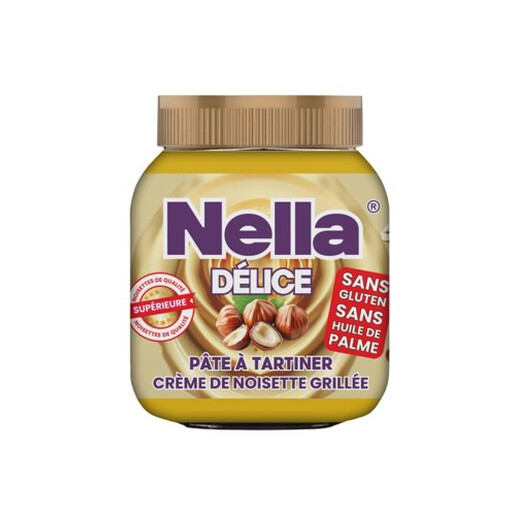 Image unavailable
This 320 g jar is a roasted hazelnut option for making toast. If you need to avoid milk or nuts, check the allergen information on the packaging.
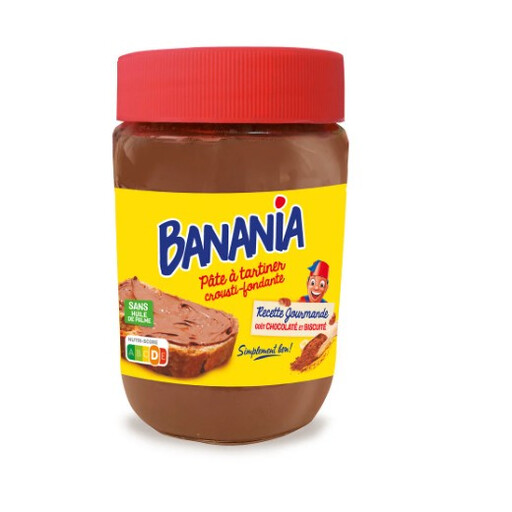 Image unavailable
This 400 g product is a spread labelled “no palm oil”. If its ingredients are an important factor in your choice, read the ingredients list and allergen information for this product.
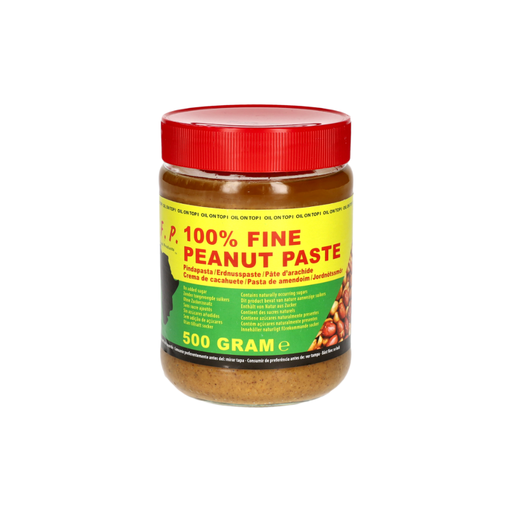 Image unavailable
This 500 g peanut paste gives you another spread to try, but it shouldn’t be confused with hazelnut spread. It isn’t suitable for anyone with a peanut allergy.
 Image unavailable
This 200 g jar contains a hazelnut and cocoa recipe. To compare its nutritional values with another product, first check that they’re given on the same basis, then read the storage instructions for after opening.
No. According to Santé publique France, producers choose whether to display it. The DGCCRF distinguishes this logo from the nutrition declaration, which is mandatory for most prepacked foods. If there’s no Nutri-Score, check the nutrition table and ingredients.
Read the product name, ingredients list, allergens and nutritional values per 100 g. The DGCCRF also notes that prepacked foods must state their net quantity, among other details. Check this information on the specific jar you’re buying.
No. This claim alone doesn’t tell you the product’s energy value. Compare the energy, sugars and fat in the nutrition table, then consider how much you plan to spread.
Follow the storage instructions for your chosen product, particularly after opening. If you prepare your break in advance, remember to bring something to spread it on and the amount you want to take with you.