Which criteria should you prioritise?
First decide what matters most to you: quantity, ease of serving, nutritional values or ingredients. Packaging won’t answer all four questions in the same way.
| Criterion |
What to check |
Who is it for? |
| Getting the right amount |
Net weight and storage instructions after opening. |
If you eat spread regularly, a family-size jar may suit your household’s habits. Otherwise, some could go unused. Around 31% of consumers put getting the right amount first. |
| Serving and dispensing |
Type of cap, bottle capacity and ordering conditions. |
If you serve spread often without a spoon, ease of dispensing matters more than the familiar jar format. Around 31% of consumers say mess-free serving is their main priority. |
| Nutritional values |
Nutritional information per 100 g; Nutri-Score if shown for the product. |
When considering several recipes, I want to compare their sugar and fat content rather than relying on the packaging alone. Around 23% of consumers prioritise this nutritional comparison. |
| Ingredients and storage |
Ingredients list, allergens and instructions for after opening. |
If certain ingredients or allergens need to be avoided in your household, the exact recipe will determine your choice. Around 15% of consumers put this check ahead of other criteria. |
For the relevant prepacked foods, the DGCCRF distinguishes between mandatory nutrition declarations and Nutri-Score, which Santé publique France describes as voluntary. So even if there’s no logo, you can still compare the values shown per 100 g.
Which brands should you compare?
These brands and product ranges provide examples for comparing formats and recipes; their inclusion here doesn’t mean they all offer a squeeze bottle.
Nutella
A good option to consider when comparing different sizes: Carrefour offers jars ranging from 220 g to 1 kg, while ALDI has offered an 800 g format.
- A range of jar sizes lets you choose one to suit how often you eat spread.
- Don’t assume the product you’re looking for is available in a squeeze bottle; check the exact packaging.
Lucien Georgelin
The brand offers a 400 g jar of spread and gives this specific product a Nutri-Score of A.
- The brand’s product page lets you check the recipe and the score stated for this product.
- This is a jar, not a squeeze bottle. Lucien Georgelin warns that it may contain traces of nuts and recommends consuming it within a month of opening.
Bonne Maman
Auchan offers Bonne Maman hazelnut and cocoa spread in a 725 g jar.
- For this product, Auchan’s listing states that it contains 20% hazelnuts and 51 g of sugars per 100 g.
- The listing mentions milk and hazelnuts. These details don’t automatically apply to other products from the brand.
Carrefour
Carrefour’s range includes own-brand spreads in several jar sizes, as well as different recipes that should be compared individually.
- Carrefour Classic’ formats include 400 g, 750 g and 1 kg jars.
- Carrefour explains that whether Nutri-Score appears on a product page depends on the information available for that product. Check the specific one you’re considering.
Auchan
Auchan’s range brings together own-brand recipes and other brands, with ingredients to check product by product.
- Auchan’s product page for POUCE cocoa and hazelnut spread lists a 750 g jar.
- For this POUCE product, Auchan lists milk and hazelnuts, among other ingredients. Check the exact label rather than assuming the same ingredients apply to other jars on the shelf.
Spreads in jars on Joybuy
These four products offer different quantities and recipes in jars: three spreads with different recipes and one speculoos spread. If you need a squeeze bottle for easy serving, check the packaging of the product you’re considering separately.
 Image unavailable
Nutella hazelnut and cocoa spread, 1 kg jar
A 1 kg jar is worth considering if this quantity suits your regular consumption. To compare recipes, check the nutritional information and allergens for the exact product. This packaging doesn’t offer the dispensing convenience of a squeeze bottle.
View on Joybuy
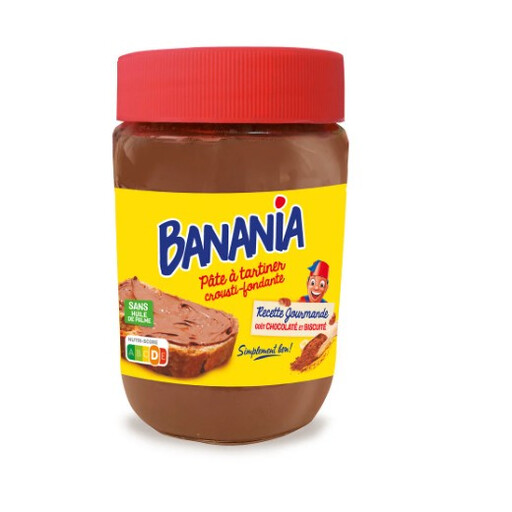 Image unavailable
BANANIA spread, no palm oil, 750 g
The 750 g size is worth considering if you’re looking for something between a small jar and a 1 kg format. The “no palm oil” claim doesn’t tell you about the other ingredients, so check the ingredients list and allergens on the label.
View on Joybuy
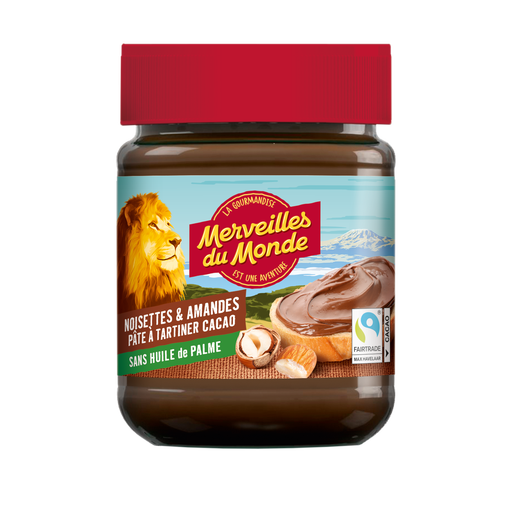 Image unavailable
MERVEILLES DU MONDE Family spread, 340 g
The 340 g size may be easier to get through if your household eats less spread. Before choosing, compare the ingredients and allergen information for this variety with those of other products.
View on Joybuy
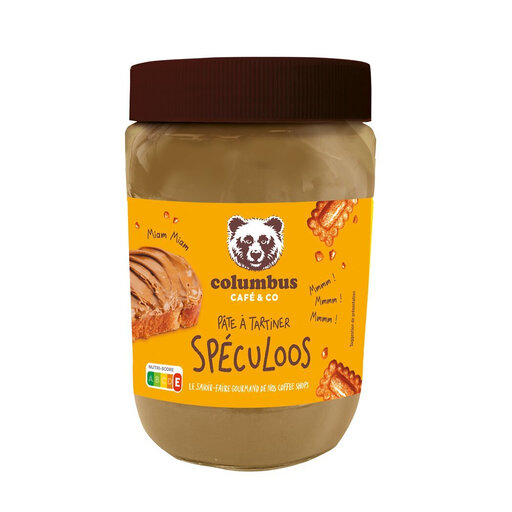 Image unavailable
COLUMBUS speculoos spread, 400 g
This 400 g speculoos spread offers a different flavour from hazelnut and cocoa spreads. If you’re comparing its ingredients with another jar, check the ingredients, allergens and nutritional values per 100 g for each product.
View on Joybuy
Frequently asked questions
Is Nutri-Score compulsory on spreads in France?
No. Santé publique France describes Nutri-Score as a voluntary label, separate from the nutrition declaration that the DGCCRF requires for the relevant prepacked foods. If there’s no logo, compare the values per 100 g and the ingredients list.
Will a squeeze bottle always prevent spread from going unused?
No. Colis Gastronomiques claims its upside-down bottle leaves little behind, but that doesn’t establish how much will be left in a particular household. Check the capacity, ordering conditions and how often you’ll use it before choosing this format over a jar.
Which allergens should you check before buying?
Read the ingredients list and any warnings about traces for the exact product. The spread listings reviewed mention ingredients such as hazelnuts or milk, depending on the recipe. A claim such as “no palm oil” is no substitute for checking the label.
How should you store a large jar after opening?
Follow the instructions on the jar you buy, as they vary by recipe. For the 400 g product featured here, Lucien Georgelin recommends consuming it within a month of opening. This instruction doesn’t apply to every product.
How should you use the Nutri-Score shown on a Carrefour product page?
Check that it applies to the product you’re considering, then look at its nutritional values per 100 g. Carrefour explains that whether the logo is shown on a product page depends on the information available for that product, so its absence alone doesn’t tell you what the recipe is like.


