For meals around a bike ride, first choose a size that suits how much you’ll use, then check the ingredients and nutritional information for the specific recipe. A spread can be enjoyed on toast at breakfast or after your ride, but that doesn’t mean it should be your only source of fuel during exercise. If a Nutri-Score is shown, it can help you make comparisons, but it isn’t compulsory.
Who is this guide for?
Cyclists who make toast at home
If you have breakfast before a planned ride, the weight of the jar and how often you’ll use it matter just as much as the recipe. The sizes available at Carrefour, for example, make it easy to compare different quantities.
People who need to check ingredients
The presence of milk or nuts may determine which spread you choose. Auchan product listings describe different recipes, while Nutella says its Plant-Based version is suitable for vegan diets. Always check the label on the specific product you buy.
Cyclists who distinguish between meals and ride fuel
Toast eaten around a ride and food taken along on your bike serve different practical purposes. Before planning to eat a spread during exercise, consider its ingredients, how you’ll carry it and how well you’ve practised eating it during training.
What should you look for?
Start by thinking about when you’ll eat it. Then choose a size you’ll use and a recipe that meets your dietary requirements.
| What to consider |
What to check |
Who is it for? |
| Size and how much you’ll use |
Net weight of the jar; storage instructions for the product you choose. |
If I keep the jar at home for regular toast, I want a size I can realistically use. Around 36% of consumers put finding the right match between size and use first. |
| When you’re riding |
Whether you plan to eat it before, after or during exercise; the ingredients in the whole snack. |
For a demanding ride, I don’t want to mistake my usual toast for practical fuel to take with me. Around 29% of consumers prioritise this distinction. |
| Ingredients and allergens |
The ingredients list and allergen information on the exact jar. |
If I need to avoid an ingredient or choose a plant-based recipe, the specific product matters more than the range name. Around 21% of consumers prioritise this suitability. |
| Nutritional information |
Values per 100 g and per serving; the Nutri-Score, if shown on the packaging. |
I want to compare what’s in my toast rather than rely on a logo alone. Nutritional information is the main consideration for around 14% of consumers. |
Common misconceptions to avoid
-
Rejecting a jar because it doesn’t show a Nutri-Score
In France, Santé publique France describes Nutri-Score as additional information to the mandatory nutrition declaration. The French government recommends using the label, as set out in the decree of 14 March 2025 published by Légifrance. So, the absence of a logo isn’t enough to judge a product.
Read the nutritional information and ingredients for the specific product. If a Nutri-Score is shown, use it as an extra guide, but don’t take it as proof that the product is particularly suitable for cycling.
-
Assuming a spread is suitable ride fuel
Auchan lists 58 g of carbohydrates and 31 g of fat per 100 g for its Bio spread. These figures describe this recipe; they don’t prove that it’s suitable as your only source of fuel during a ride.
Think separately about the toast you eat around your ride and what you’ll carry on your bike. Try any food you plan to eat during exercise in training first.
-
Assuming a label tells you everything about the ingredients
Descriptions such as ‘plant-based’, ‘organic’ or ‘palm-oil-free’ relate to a specific criterion, not every aspect of your choice. Nutella says its Plant-Based spread is suitable for vegan diets, but that description alone doesn’t tell you its nutritional values.
Check the ingredients, allergens and nutritional information separately for the product you’re planning to buy.
Brands to compare
These products offer useful points of comparison for sizes and recipes. The details below apply to the specific products named, not to every spread from each brand.
Carrefour Classic' / Simpl
Carrefour stocks spreads from these ranges, including jars of 750 g and 1 kg.
- These sizes let you choose a quantity to suit how often your household eats spread.
- Check the ingredients and allergens for the exact product: the size won’t tell you what’s in it.
Auchan / Pouce
The products listed include a 400 g jar of Auchan Bio spread and a 750 g jar of Pouce spread.
- According to Auchan’s product listings, the Bio spread contains 13% hazelnuts, while the Pouce version contains 2%. The retailer’s name is no substitute for checking the ingredients.
- The 58 g of carbohydrates and 31 g of fat per 100 g listed for Auchan Bio do not describe the Pouce product.
Nutella
The range includes a classic recipe and a Plant-Based version, which Nutella says is suitable for vegan diets.
- The difference between these versions makes it easier to find one that meets a specific dietary requirement.
- The plant-based positioning of Plant-Based doesn’t, by itself, mean its nutritional composition is suitable for exercise.
Bonne Maman
Auchan’s product listing describes a 360 g hazelnut and cocoa spread.
- For this product, the listing specifies 20% hazelnuts, a palm-oil-free recipe and that it is made in France.
- The same listing gives 51 g of sugars and 34 g of fat per 100 g for this product. These figures don’t apply to other Bonne Maman products.
Spreads available on Joybuy
These jars are best suited to eating on toast around a bike ride. Sizes range from 350 g to 3 kg. Choose one to suit how much you’ll use and check the label of each recipe before buying.
 Image unavailable
Nutella hazelnut and cocoa spread, 1 kg jar
A size to consider if you regularly make toast at home around your rides. The jar contains 1 kg. Check the ingredients, allergens and storage instructions on the label.
View on Joybuy
 Image unavailable
Nutella chocolate and hazelnut spread, 3 kg jar
This 3 kg jar is suited to regular or shared use for toast, rather than taking with you on a ride. Make sure this quantity suits your needs and follow the storage instructions on the jar.
View on Joybuy
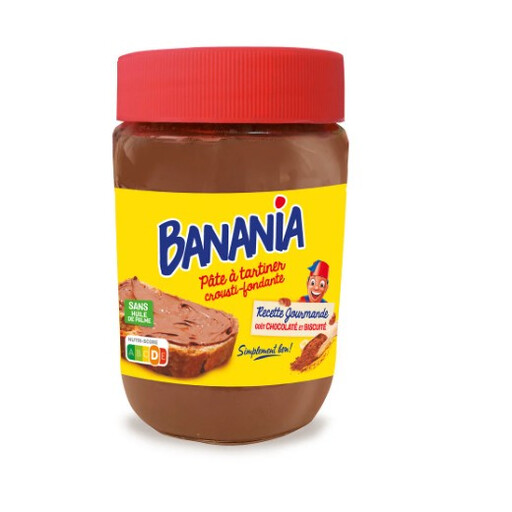 Image unavailable
BANANIA spread, 750 g, palm-oil-free
This 750 g jar could be an option for toast around a ride if you’re specifically looking for a recipe labelled as palm-oil-free. That label doesn’t tell you about the other ingredients, so check the packaging, especially if you need to avoid an allergen.
View on Joybuy
 Image unavailable
Nutella, 750 g jar
This 750 g size gives you another option for breakfast toast. Before choosing it, check the ingredients, allergen information and storage instructions for the specific jar.
View on Joybuy
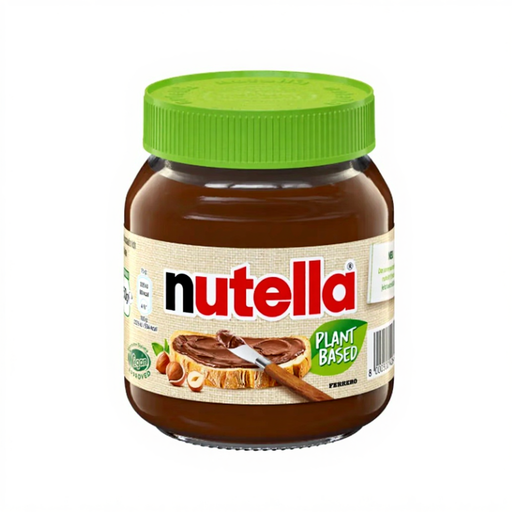 Image unavailable
Nutella Plant Based, 350 g jar
This 350 g version is for people looking for the plant-based recipe presented by Nutella. Check the ingredients list, allergens and nutritional information on the specific jar before choosing it for your toast.
View on Joybuy
Frequently asked questions
Is a Nutri-Score compulsory on spread sold in France?
No. Santé publique France describes it as additional to the mandatory nutrition declaration, and the decree of 14 March 2025 published by Légifrance presents the label as recommended by the French government. If there’s no logo, check the product’s nutritional information rather than assuming it doesn’t comply based on that alone.
Can spread be used as fuel on a bike ride?
Don’t automatically assume it’s suitable as your only source of fuel during exercise. The Auchan Bio and Bonne Maman recipes described in Auchan’s product listings contain carbohydrates as well as fat. Their composition and practical use are different from those of toast eaten around a ride. Try anything you plan to eat on your bike during training first.
Which allergens should you check before choosing a jar?
Check the ingredients list and any ‘may contain’ warnings on the specific jar. The Auchan product listings for the Bio and Pouce products mentioned here include milk and hazelnuts, among other ingredients. This doesn’t describe every spread or every version from a brand.
How should you store spread after buying it?
Follow the instructions for the product you’ve bought. Auchan’s listing for the Pouce spread says to protect it from heat and humidity and not to refrigerate it. The listing for the Bonne Maman product says to keep it away from heat and light. Don’t assume that the instructions for one jar apply to another.


