
Livraison le jour même ou le lendemain

Qualité garantie

Débloquez vos offres de bienvenue: Livraison GRATUITE | Jusqu'à -80 % | 30 jours d'essai gratuits à JoyPlus
Téléchargez l'application
A spray can meet a wide range of needs: hygiene, beauty, cleaning, fragrance, mosquito protection or everyday comfort. However, two bottles that look similar may have very different formulations, usage precautions and dispensing methods.
Before you buy, three common mistakes are worth avoiding:
Start by identifying the category that genuinely matches your needs:
Take the time to read the ingredients list, pictograms and instructions on the packaging. A product containing essential oils, menthol, fragrance or scented allergens may require additional precautions.
For an aerosol, check in particular the flammable and pressurised container warnings, as well as the maximum storage temperature. Never pierce or burn these containers. Also avoid exposing them to a heat source.
For a household cleaning product, never mix limescale remover with bleach or another cleaner. Wear gloves and ventilate the room if the label recommends it. On a delicate surface, always carry out a preliminary test on an inconspicuous area.
A 100 ml bottle is easy to slip into a wash bag, but it may run out quickly with daily use. By contrast, a 500 or 700 ml format is more practical for cleaning or gardening, although it takes up more space.
Compare the price per litre, the stated number of applications, whether a refill is available and the shelf life after opening. For a nasal spray, also follow the recommended period of use after first opening. As for men’s spray fragrance, a 100 ml bottle is better suited to regular use at home, while a smaller format is easier to carry.
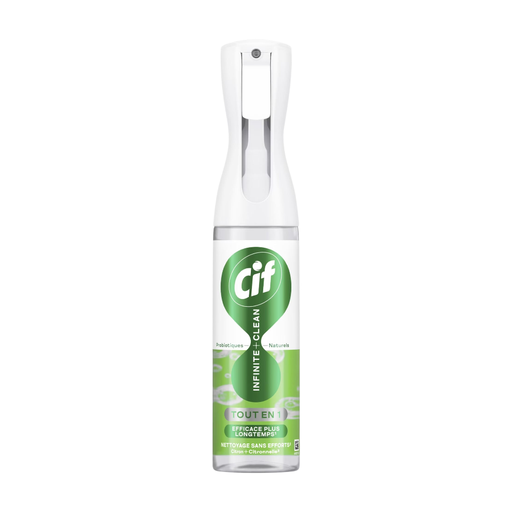
Why this choice suits this profile : its compact format is ideal for smaller homes and for anyone who wants one product for several surfaces. It is also very easy to use: spray, then wipe.
The product information specifies the precautions to take on fabrics, screens and delicate surfaces, reducing the risk of unsuitable use.
280 ml format, fine mist, citrus fragrance and the option to use a refill, depending on the product presentation.

Why this choice suits this profile : this men’s spray fragrance is for those looking for a carefully crafted scent routine, with a decorative bottle and a composition built around notes of lavender, cardamom, incense, vanilla and tonka bean.
The stated notes and ingredients list can be checked before purchase. However, this is an alcohol-based and flammable fragrance, intended for use on the skin only.
100 ml capacity, application to pulse points and the iconic bottle from the Invictus range.
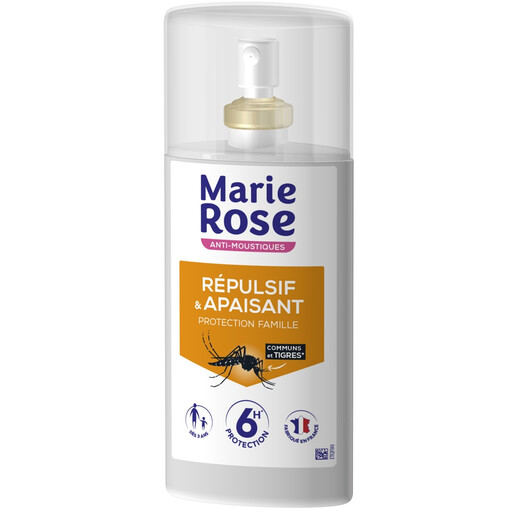
Why this choice suits this profile : its formula, based on 20 % IR3535, is suitable for adults and children aged 3 and over, with application instructions that vary according to age.
The label specifies the daily limits, the exposed areas where the product should be applied and the correct order to follow when using it with sun cream.
100 ml format, allantoin and menthol, plus detailed instructions for several age groups.
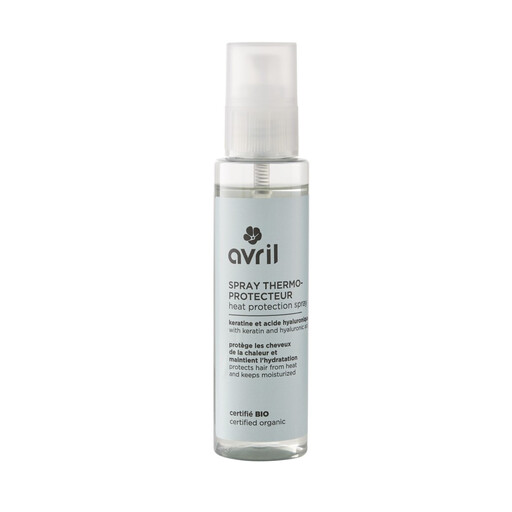
Why this choice suits this profile : this heat-protective spray is intended for people who regularly use a hairdryer, straighteners or a curling wand and are looking for a certified organic formula.
The advertised protection of up to 230 °C is a formulation claim. It does not replace following the appliance settings or the instructions for use.
99 % ingredients of natural origin, as stated, Cosmos Organic certification, plus aloe vera, keratin and hyaluronic acid.
We have selected a complete, real-time updated list of products that meet these demanding criteria while complying with European safety regulations.
A multi-surface cleaning spray may be suitable if the compatible surfaces are clearly stated. For fabrics, choose a dedicated deodorising spray and always carry out a preliminary test. A 280 to 500 ml format is generally easier to handle than a large container.
It depends entirely on the product category. Some products state a recommended period of use after first opening, an expiry date or a shelf life directly on the packaging. Keep the bottle closed and away from heat and sunlight, and replace it if its smell, texture or spray pattern changes.
Not necessarily. Compare the price per litre, the quantity actually dispensed and the frequency of use. A concentrated product or one with a fine mist may help reduce waste, but performance varies according to the formula and the surface. Where available, a refill can also reduce the cost per use and the amount of packaging waste.