
Livraison le jour même ou le lendemain

Qualité garantie

Débloquez vos offres de bienvenue: Livraison GRATUITE | Jusqu'à -80 % | 30 jours d'essai gratuits à JoyPlus
Téléchargez l'application
At first glance, choosing a sports waist bag seems simple: a pocket, a strap and a few centimetres of fabric should do the job. Yet some models quickly become uncomfortable, too cramped or impractical as soon as you start moving. To avoid buying the wrong one, it is worth looking beyond the colour and marketing claims.
A bag may be described as compact and spacious without making it clear what it can actually hold. For everyday use, check that it can accommodate your phone, keys, wallet, power bank or even a small bottle. A well-organised waist bag with pockets will often be more practical than a larger model with just one storage compartment.
The term ‘one size fits all’ does not guarantee a comfortable fit. A strap that is too short can become uncomfortable when the bag is worn cross-body or across the chest, while a belt that is too loose may bounce around during a run. Check the minimum and maximum dimensions, as well as the adjustment system used.
For a running waist bag or running belt, stability is essential. A traditional waist strap may be suitable for walking, but an elasticated section, non-slip surface or ergonomic design will be better suited to repeated movement.
A waterproof waist bag should not be confused with a model that is merely splash-resistant. Water-repellent fabric protects against light rain, but that does not mean its contents will stay dry in a prolonged downpour or if submerged. Look for precise information about the fabric, fastenings and care requirements.
The dimensions should match the intended use:
A hands-free sports bag should remain lightweight once filled. A larger model may be practical in town, but it may also bounce around more during dynamic activities.
A main zipped pocket protects everyday items, while a front pocket allows you to quickly grab a card or earphones. A concealed back or inner pocket can discreetly hold documents and small flat items.
Zips should glide smoothly without catching. Product specifications that identify the type of zip, such as YKK fastenings, provide more useful information than a vague promise of ‘superior quality’.
Polyester, synthetic blends and reinforced fabrics are commonly used for a waist pouch or chest bag. However, remember to check the care instructions: some models can only be cleaned with a damp cloth and are not machine washable.
When you are out in low light, reflective strips can improve the wearer’s visibility. However, they are no substitute for suitable lighting or safe road practices. Abrasion resistance and strong stitching are also important for a waist bag used regularly.
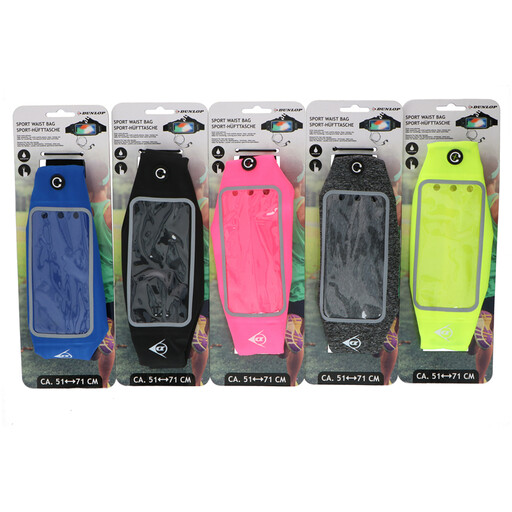
Why this choice suits this profile : its 20 × 9 cm format is ideal for your first jogging sessions, gym workouts and short trips with the essentials.
The stated circumference of 51 to 71 cm reduces the uncertainty associated with one-size products. Its plastic surface can be cleaned with a damp cloth.
Adjustable strap, compact design and easy care for carrying your phone, keys and cards.
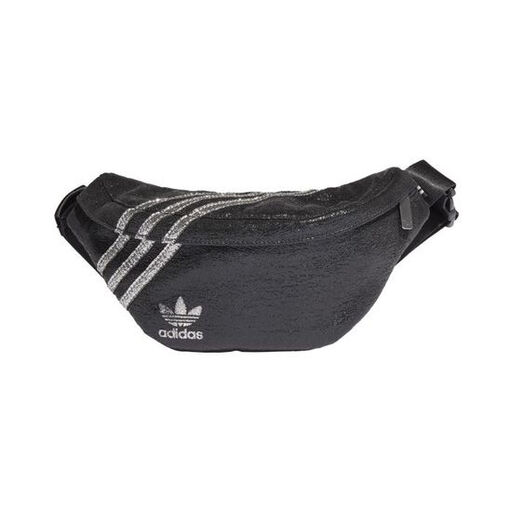
Why this choice suits this profile : its metallic finish and 30 × 15 × 8 cm format combine urban style with everyday practicality.
The dimensions are clearly stated, while the zipped inner pocket keeps small items from getting mixed up.
100% PET material, adjustable strap and zipped fastening for trips into town, travel and leisure.
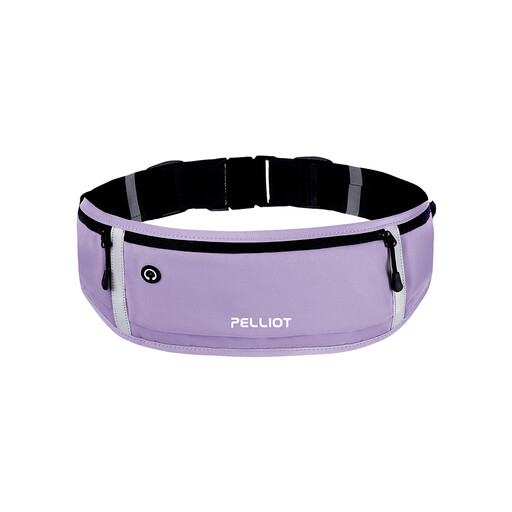
Why this choice suits this profile : its elasticated belt, multiple pockets and reflective elements make it suitable for people who run, cycle or walk regularly.
The S/M and L/XL sizes are matched to precise waist measurements. The non-slip fabric and zipped fastenings are designed for dynamic activities.
Main pocket, front pocket, concealed compartment and long reflective strip for better organisation.
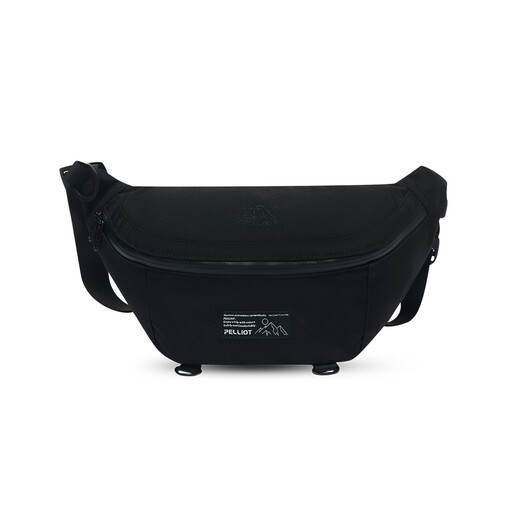
Why this choice suits this profile : this model is suitable for both men and women looking for a waist bag for work, commuting, travel or relaxed outings.
The abrasion-resistant, water-repellent fabric is presented as protection against light rain, without being marketed as completely waterproof.
25 × 21 × 16 cm format, 70 to 120 cm strap, concealed inner pocket and four ways to wear it : across the chest, cross-body, by hand or around the waist.
We have brought together a comprehensive, real-time updated selection of products that meet these exacting criteria and European safety standards.
Wear it close to your body, but do not tighten it too much, as this could restrict your breathing. When running, distribute items between the different compartments and avoid overloading the main pocket. An elasticated belt or non-slip material can help limit movement, although the fit should also be adjusted to suit your build and pace.
Measure your waist where you will wear the belt, then compare the result with the manufacturer’s guidance. When two sizes are available, consider how you intend to use it: for running, you will generally want a close, secure fit, while a looser adjustment may be preferable for walking or travelling.
Empty the pockets regularly, remove dust that accumulates in the zips and follow the care instructions. For a water-repellent model, avoid machine washing if the manufacturer recommends spot cleaning. Leave the bag to air-dry away from direct heat, and regularly check the condition of the strap, stitching and clasp.