
Livraison le jour même ou le lendemain

Qualité garantie

Débloquez vos offres de bienvenue: Livraison GRATUITE | Jusqu'à -80 % | 30 jours d'essai gratuits à JoyPlus
Téléchargez l'application
Whey protein, BCAA, creatine, micellar casein, magnesium or zinc: the range of sports supplements has grown considerably. The wider choice is welcome, but it can also make buying more complicated when packaging is covered in promises that are difficult to compare.
Before filling your basket, check three essential points: the actual amount of active ingredients per serving, the full composition and whether the product fits with your diet. A protein supplement can help you reach your daily intake, but it will never replace a varied diet or a suitable training programme.
A larger format is not necessarily the best value. To compare two products, look instead at:
A powder providing 22 to 24 g of protein per serving therefore offers a much clearer basis for comparison than a simple claim such as ‘high in protein’.
The presence of BCAA, L-glutamine or marine collagen is not enough to determine whether a product is suitable. Take the time to check the ingredients list and nutrition table: some formulas combine several active ingredients, while others focus on a simpler composition.
Also pay attention to sweeteners, flavourings, sodium and allergens. Milk and soya are particularly common in whey proteins and some amino acid formulas.
A powder that needs mixing is best suited to those who have a shaker to hand and a few minutes to spare. Individual sachets are more convenient when you are out and about, while capsules may be preferable if you would rather not drink a flavoured preparation.
The suggested time of use on the packaging is a recommendation, not a rule that applies to everyone. Your total daily intake and a consistent diet remain the most important factors in supporting recovery and preserving muscle mass.
For a protein powder, distinguish between:
In the products featured below, a 28 to 33 g serving provides approximately 22 to 24 g of protein. Also check the carbohydrate, sugar, fat and salt content, particularly if you are carefully tracking your intake during a bulking phase or a period of dietary control.
BCAA comprise leucine, isoleucine and valine. A formula may, for example, display a 2:1:1 ratio, like BODY&FIT BCAA Amino, which provides 8 g of BCAA per 15 g serving. This type of information lets you compare products based on more than the size of the tub alone.
L-glutamine, glycine and HMB do not serve the same purposes. There is no need to add them automatically to a whey that already naturally contains many amino acids.
In France and the European Union, check that the following details are provided:
A food supplement must be used in accordance with the instructions on its label. If you are pregnant or breastfeeding, taking medication, have a known medical condition or are unsure about a high intake of vitamins and minerals, seek advice from a healthcare professional.
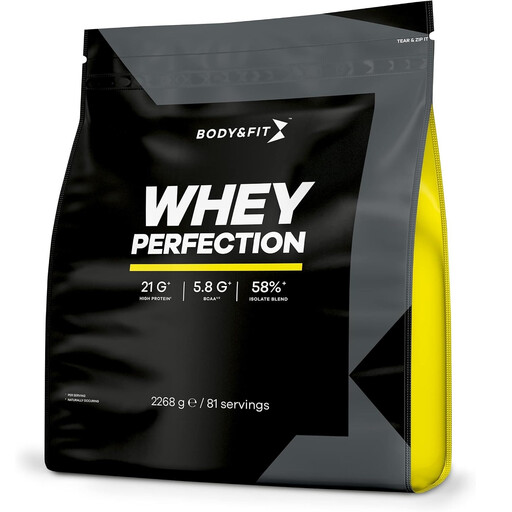
Why this choice suits this profile : With around 81 servings, this large format is ideal for regular use at home. Each 28 g serving provides 22 g of protein from a blend of whey isolate, concentrate and hydrolysate.
The number of servings and nutritional values per serving are clearly stated. You can therefore estimate the cost per use rather than comparing tubs based solely on their weight.
22 g of protein, 5 g of naturally occurring BCAA and a formula described as low in sugar and fat. Contains milk and soya.
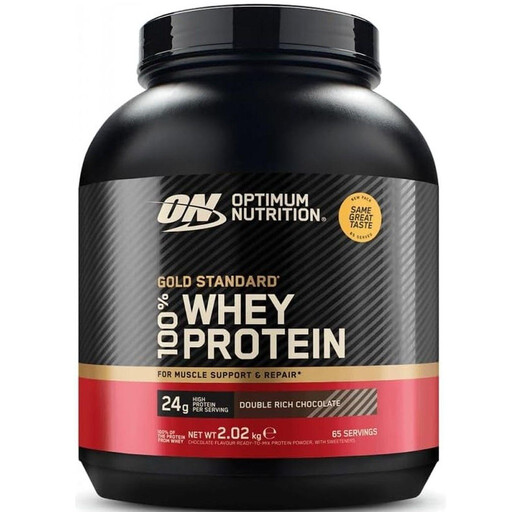
Why this choice suits this profile : Its 2.02 kg format and whey protein blend are designed for regular athletes who prefer to space out their purchases.
The table details the 24 g of protein per 30 g serving, along with the carbohydrate, fat and salt content. Precise information is much more useful than a general claim.
24 g of protein, 5.5 g of BCAA and approximately 116 kcal per serving according to the information provided. Contains milk and soya.
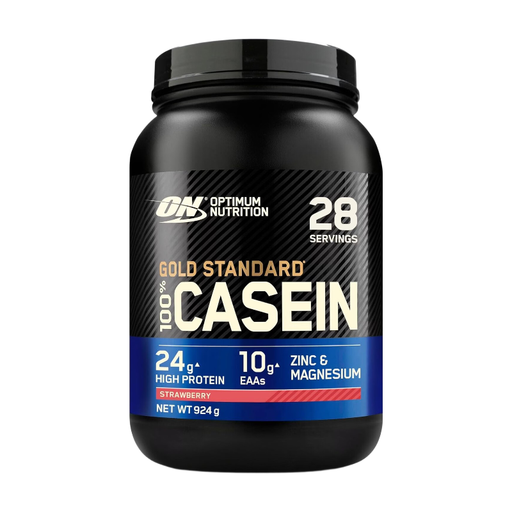
Why this choice suits this profile : Micellar casein is suited to those looking for a slower-digesting protein, particularly in the evening, in line with the product’s instructions.
The product information specifies the serving size, 33 g, and its protein content, 24 g. You therefore have concrete figures rather than a simple promise of prolonged release.
24 g of casein per serving, 0.6 g of fat, plus magnesium and zinc listed in the nutrition table. Contains milk.
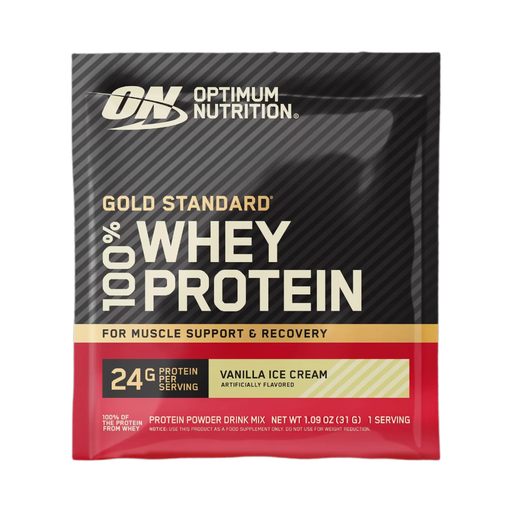
Why this choice suits this profile : Individual sachets slip easily into a gym bag, desk drawer or suitcase. There is no need to carry a bulky tub.
Each sachet contains a clearly defined 31 g serving. You avoid approximate measurements when you have neither scales nor a scoop.
24 g of protein and 5.5 g of BCAA per sachet, with a blend of whey isolate, concentrate and hydrolysed whey. Contains milk and soya.
We have put together a complete, real-time-updated selection of products that meet these demanding criteria and European safety requirements.
Start by looking at your diet as a whole. Whey can supplement a day when your protein intake is too low, while micellar casein may be suitable for taking in the evening. Above all, compare the amount of protein per serving, calories, sugar and allergens.
Not necessarily. Whey already contains amino acids, including naturally occurring BCAA. A dedicated formula may nevertheless suit your preferred format or be useful around your training session. Before choosing, check the actual amount of leucine, isoleucine and valine per serving.
Follow the date shown on the packaging and the storage conditions specified by the manufacturer. Close the container carefully and keep it in a cool, dry place away from moisture and light. Powder that has absorbed moisture may form lumps; however, this alone is not enough to assess its quality. Check the label before use.