
Livraison le jour même ou le lendemain

Qualité garantie

Débloquez vos offres de bienvenue: Livraison GRATUITE | Jusqu'à -80 % | 30 jours d'essai gratuits à JoyPlus
Téléchargez l'application
Whether you do weight training, fitness, running or combat sports, the range of sports supplements can quickly become confusing. Powders, tablets, capsules, gummies, liquids – each format meets different needs, and marketing claims don’t always make comparison easy.
Before you place an order, three pitfalls deserve your attention:
For creatine monohydrate, the key figure to look at is the daily amount stated on the label. Several products in this selection provide around 3 g of creatine per day, in powder or tablet form. Powder usually lets you measure the serving directly, while tablets require you to count several units.
Creatine is associated with the authorised claim that a daily intake of 3 g of creatine helps improve physical performance during successive bursts of short, intense exercise. This doesn’t mean a supplement can replace training, rest or a balanced diet.
BCAAs consist of leucine, isoleucine and valine. Some products use a 2:1:1 ratio, but the total amount per serving is the main thing to compare. Beta-alanine, taurine and caffeine often feature in pre-workout supplements. If you already drink coffee, tea or energy drinks, remember to factor in your total caffeine intake for the day.
ZMA formulas combine zinc, magnesium and vitamin B6. They can fit into a routine focused on muscle recovery, but it’s best to avoid stacking several products that are high in vitamins and minerals. Vegan multivitamins should also be compared nutrient by nutrient, especially if the formula contains caffeine.
Whether you’re aiming for muscle gain or endurance activity, the supplement remains secondary to your energy intake, protein, hydration and recovery. Minors, pregnant or breastfeeding women, and anyone on medication should consult a healthcare professional before use.
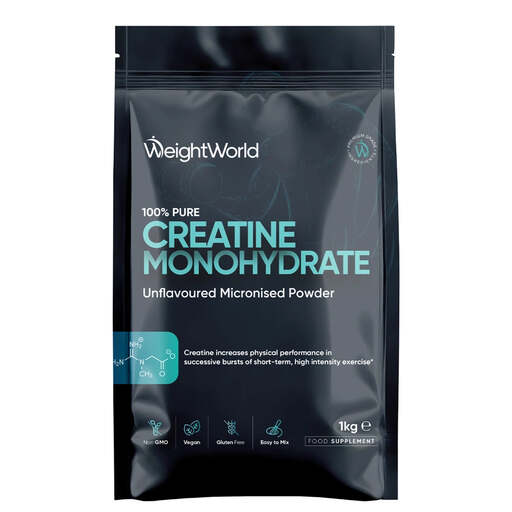
Why this suits this profile: with a kilogram of powder, this format works for regular use and lets you compare the price per serving over time. The stated dose is around 3 g per scoop.
Its simple composition of creatine monohydrate means you’re not paying for unnecessary extras. The resealable pouch and scoop make dosing easy.
An unflavoured powder, vegan and gluten-free formula, with a stated serving of 3 g.
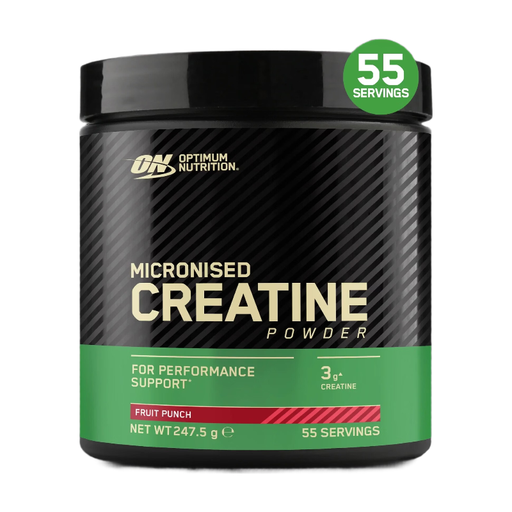
Why this suits this profile: the Fruit Punch flavour appeals to those who want to mix their creatine into a pleasant-tasting drink, before or after their session.
The label clearly distinguishes the 3.4 g of creatine monohydrate from the 3 g of creatine per serving, making objective comparison easier.
Micronised creatine, 55 stated servings and several mixing options.
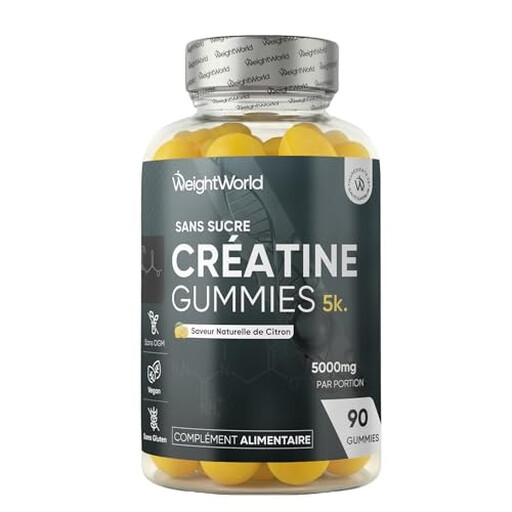
Why this suits this profile: athletes who travel often or don’t want to carry a shaker can take three gummies a day, as per the product instructions.
The serving is expressed both in number of gummies and amount of creatine monohydrate, reducing the risk of calculation errors.
90 gummies, 30 stated servings, a vegan and gluten-free formula, with no preparation needed.
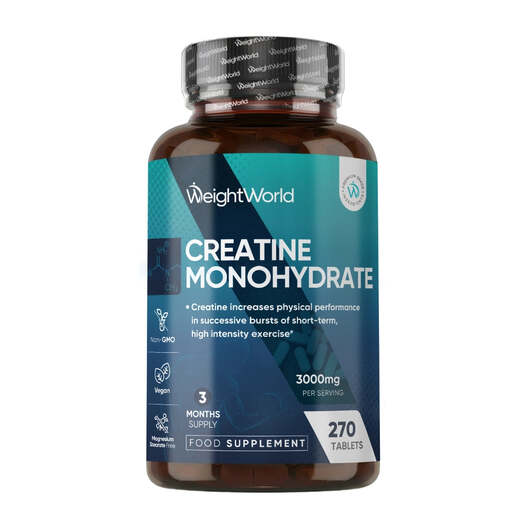
Why this suits this profile: those who prefer a no-weighing routine can follow the stated serving of three tablets per day.
The total dose of 3 g is clearly stated, while the tablet format avoids confusing a level scoop with a full serving.
270 tablets, providing around three months of use at the stated dose, with a vegan and gluten-free formula.
We’ve put together a comprehensive, real-time updated list of products that fully meet these strict selection criteria and European safety regulations.
Creatine is generally taken on a regular basis, following the serving stated on the label. How long it lasts depends on the format: a 1 kg pouch and a bottle of 270 tablets don’t cover the same number of days. Always compare the number of servings, rather than just the product weight.
Powder suits people who use a shaker and want to adjust the dose easily. Tablets make it easier to stick to a routine when you’re on the go. Gummies avoid any preparation, but you need to check the amount of sugar or sweeteners, as well as the number of units per serving.
Stacking them isn’t necessarily necessary. Check for any overlaps, especially with caffeine, vitamin B6, zinc and magnesium. To support muscle recovery, start with a balanced diet, adequate hydration and regular sleep. If you’re on medication or have a health condition, seek advice from a healthcare professional.