
Livraison le jour même ou le lendemain

Qualité garantie

Débloquez vos offres de bienvenue: Livraison GRATUITE | Jusqu'à -80 % | 30 jours d'essai gratuits à JoyPlus
Téléchargez l'application
Between the promises of rapid recovery, the "ultra-dosed" formulas and the drinks presented as essential, sports supplements can quickly add up. The best approach is to start with your actual needs, then carefully examine the ingredients, dosages and usage instructions.
A whey protein, a bar or electrolytes can complement a balanced diet, but they certainly cannot replace varied meals. A protein powder is mainly useful when it meets a practical need or makes up for an insufficient daily intake.
Phrases like "high performance", "maximum absorption" or "professional formula" alone won't help you tell two products apart. Instead, look at the amount per serving, the ingredient list, allergens, sugar content and the recommended number of servings.
Caffeine, potassium, magnesium, L-arginine and certain amino acid blends are not suitable for everyone. Pregnant or breastfeeding women, minors and those on medication should seek advice from a healthcare professional before taking any supplement. In all cases, stick to the dose stated on the packaging.
For a whey protein, compare the amount of protein per serving rather than the total weight of the bag. As a guide, some products offer 22 to 24 g of protein per serving, with varying levels of carbohydrates, fats and sugars.
For a protein bar, also check the serving weight. A 40 g or 55 g bar may provide around 15 to 20 g of protein, but can also contain polyols, fats or allergens such as milk, soya and peanuts.
Choose a clear label that states the amounts per serving, allergens and storage conditions. For supplements containing magnesium, zinc, vitamin B6, vitamin C or vitamin D, check the reference nutrient values and avoid combining several highly dosed products.
Nutrition and health claims must comply with current European regulations. They do not guarantee individual results. A food supplement is not a medicine and should not be presented as being able to treat or prevent disease.
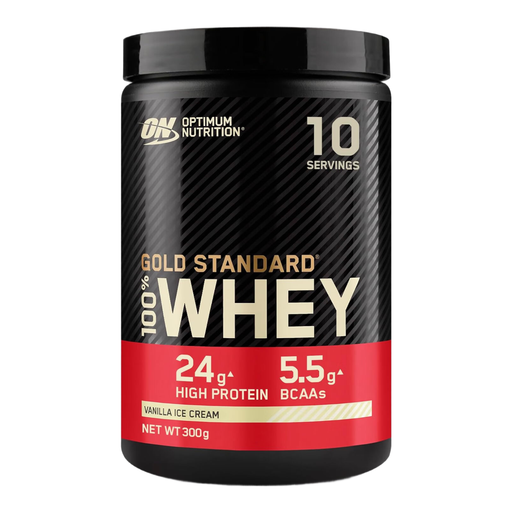
Why this suits this profile: At 300 g, this size lets you try it out without investing in a large tub. You can check your tolerance to milk, the taste and how easily it mixes before moving up to a bigger size.
The label states 24 g of protein per 30 g serving and fewer than 120 kcal per serving. Concrete data to compare this powder with other options.
24 g of protein per serving, with a blend of isolated, concentrated and hydrolysed whey. Mix with 180 to 240 ml of water or milk.
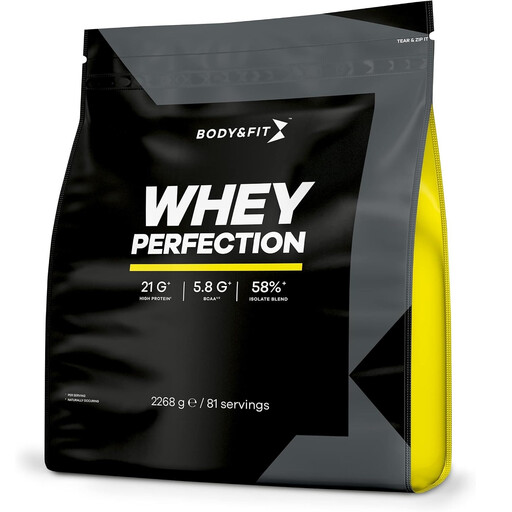
Why this suits this profile: This large tub is ideal for those who use protein powder regularly and prefer not to restock too often.
The label shows 22 g of protein and 100 kcal per serving. This lets you judge the product on its actual content, rather than on marketing language or the size of the tub.
Approximately 81 servings, with 22 g of protein and 5 g of naturally occurring BCAA per 28 g serving.
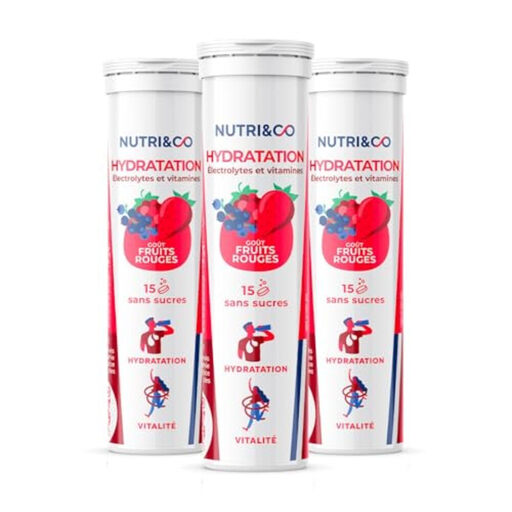
Why this suits this profile: Cyclists, runners and fans of long sessions will appreciate this effervescent format, which is easy to carry and dissolve directly in a water bottle.
The ingredients list details the amounts of sodium, potassium, calcium, magnesium and chloride per tablet. You can therefore assess the intake precisely, rather than relying on a vague hydration promise.
300 mg of sodium and 300 mg of potassium per tablet, sugar-free, with vitamins C, B2, B6 and B9. If you have kidney problems, seek medical advice before use.
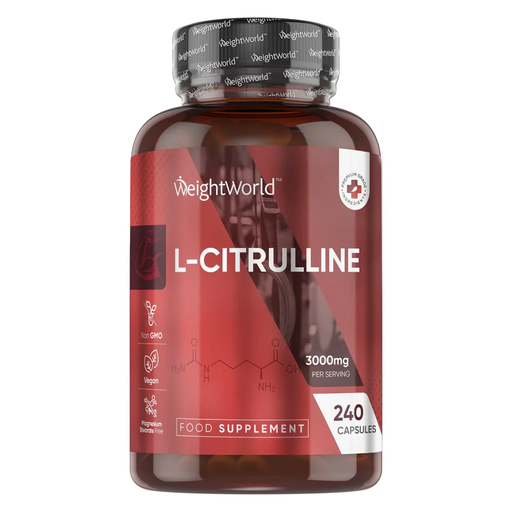
Why this suits this profile: This format is suitable for adults looking for a targeted supplement to add to their sports routine, without flavourings or powder preparation.
The daily dose is clearly stated: four capsules provide 3,000 mg of L-citrulline. This makes it easy to calculate the actual amount consumed.
240 capsules, a formula with no declared allergens or artificial flavourings. For adults only, with a maximum dose of four capsules per day.
We have compiled a full selection, updated in real time, of products that meet these criteria as well as European safety regulations.
Start by comparing the amount of protein per serving, the presence of milk and soya, and the sugar content. A whey protein can be convenient after training or between meals, but the right choice mainly depends on your diet, digestion and budget.
Not necessarily. For a short, low-intensity session, water may be enough, depending on the conditions. Electrolytes become particularly useful during prolonged exercise, in hot weather or when sweating heavily. In that case, check the amounts of sodium and potassium per serving.
Follow the date on the packaging and the storage instructions. After opening, keep the powder in a dry place, seal the container tightly and use the scoop provided. For a bar, heat and humidity can affect the texture even before the best-before date.