
Livraison le jour même ou le lendemain

Qualité garantie

Débloquez vos offres de bienvenue: Livraison GRATUITE | Jusqu'à -80 % | 30 jours d'essai gratuits à JoyPlus
Téléchargez l'application
Between the promises of performance, on-the-go formats and ingredients that can be tricky to compare, sports supplements can quickly add up. A protein-rich powder doesn’t serve the same purpose as a hydration drink, an energy bar or a pre-workout supplement.
To avoid unnecessary or ill-suited purchases, focus on three things: the ingredients, the dosage per serving and the usage instructions. Here are the criteria to consider before choosing a whey protein, electrolytes, energy snacks or a supplement aimed at muscle recovery.
An energy drink or fruit paste mainly provides carbohydrates. It can be useful during prolonged exercise, but it doesn’t replace a protein powder after a strength-training session. Conversely, whey provides protein but isn’t designed to cover the hydration or carbohydrate needs of endurance activity.
“30 g of protein” might refer to a large amount of powder, whereas a bar might provide 15 to 20 g per unit. Always compare the values per serving and per 100 g. Also check the sugar, polyol and fat content, and don’t forget the actual number of servings in the pack.
Milk and soya are common in whey proteins. Bars may contain peanuts, nuts, cereals or gluten. As for pre-workout formulas, they sometimes include caffeine, taurine, guarana or beta-alanine.
As a guide, a 25 cl can of Red Bull contains around 80 mg of caffeine and 27.5 g of sugar. These amounts need to be factored into your daily intake – they’re not just minor details on the label.
For a protein powder, start by looking at the amount of protein per dose. The BODY & FIT Whey Perfection, for example, provides 22 g of protein per 28 g of powder, with a formula combining whey isolate, concentrate and hydrolysed isolate. Meanwhile, Optimum Nutrition Gold Standard offers around 24 g per 30 g serving, depending on the format.
Amino acids such as L-citrulline and L-arginine are often found in pre-workout supplements. The WeightWorld L-Citrulline product states 3,000 mg per four capsules, while WeightWorld L-Arginine provides 4,000 mg per four tablets.
These figures correspond to the manufacturer’s recommended serving and do not guarantee results. Stick to the stated dose and seek advice from a healthcare professional if you are on medication or have a medical condition.
Individual portions are handy to slip into a gym bag, but they can cost more per gram. A large tub of whey often reduces the price per serving, provided you use it regularly and can store it in a dry place.
Take the time to read the allergen list: Whey Perfection contains milk and soya, CLIF bars contain oats, soya and almonds, while Andros Sport fruit pastes contain wheat and gluten.
For hydration supplements, also check the recommendations regarding potassium. Nutri&Co tablets, for instance, advise caution in cases of kidney failure.
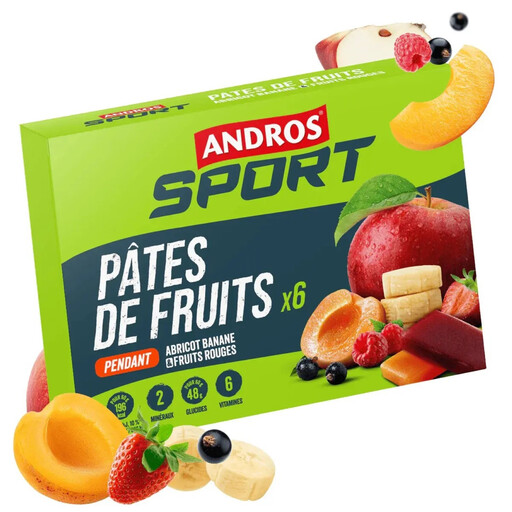
Why this choice suits this profile: The six individually wrapped portions are easy to slip into a bag, whether for a hike, a run or a fitness session. Each 30 g paste provides 22 g of carbohydrates.
The quantity per unit is clearly stated – no need to carry a large packet or guess the dosage mid-activity.
Two fruit recipes, a soft texture, vitamins listed on the label and an easy-to-carry format.
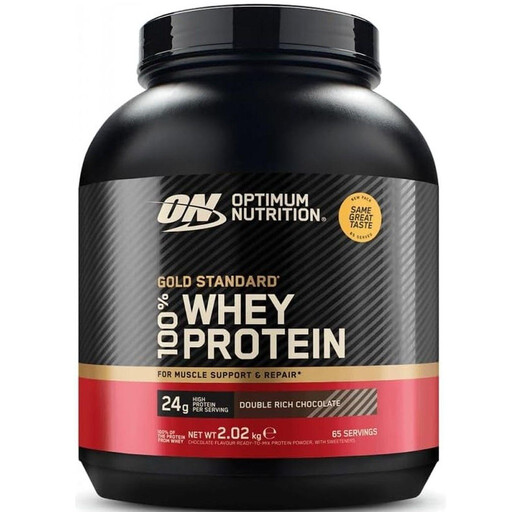
Why this choice suits this profile: With around 65 servings, this large format is ideal for regular users who consume protein powder several times a week.
The stated content per serving allows you to compare this whey with other options, without being swayed by the total weight of the bag alone.
24 g of protein per 30 g serving, a blend of isolate, concentrate and hydrolysate, to be mixed with water or milk.
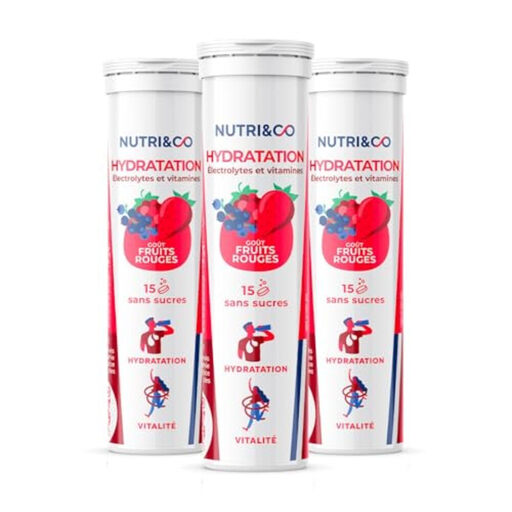
Why this choice suits this profile: The effervescent tablets are simply dosed in 300 to 500 ml of water. They’re suitable for long sessions, bike rides or training in hot weather.
The formula details the amounts: 300 mg of sodium and 300 mg of potassium per tablet, rather than just a vague hydration promise.
A sugar-free formula, vitamins C, B2, B6 and B9, several minerals and three tubes in the pack.
We’ve put together a comprehensive, real-time updated list of products that meet these strict selection criteria and European safety regulations.
No. Whey can supplement your diet when your daily protein intake is insufficient, but it doesn’t replace a varied diet. Assess how much protein you already consume and stick to the serving size stated on the packaging.
Not necessarily. For short, moderate activity, water is usually enough. Electrolytes are mainly worth considering during prolonged exercise, in hot weather or when sweating heavily. Follow the precautions regarding potassium and seek medical advice if you have kidney disease or are on medication.
Compare the price per serving, not just the price of the pack. A large tub of whey can be more economical if you use it regularly, whereas protein bars and individual energy snacks are primarily about convenience.
Buy the format that truly matches your training routine and check the best-before date before stocking up.