
Livraison le jour même ou le lendemain

Qualité garantie

Débloquez vos offres de bienvenue: Livraison GRATUITE | Jusqu'à -80 % | 30 jours d'essai gratuits à JoyPlus
Téléchargez l'application
Sports supplements can make it much easier to organise your meals, hydration and recovery. But you need to pick the right format: protein powder, protein bar, energy drink, electrolytes, amino acids or marine collagen all serve different purposes.
Three mistakes keep cropping up among shoppers:
When comparing a whey or a high-protein supplement, look at the protein content per serving and per 100 g. A powder might deliver 24 g of protein in a 30 g scoop, whereas a bar will typically provide 15 to 20 g, depending on its weight.
Also check the carbohydrates, sugars, fats and salt. A protein bar containing polyols can be convenient, but eating too many may cause digestive discomfort for some people. The ingredients list matters just as much as the nutrition panel.
Check for allergens: milk, soya, peanuts, gluten and tree nuts are common in sports nutrition products. If you have an allergy, read the full label, including any mention of traces.
Stick to the recommended dose and avoid combining several stimulant products without first adding up their total caffeine content. Supplements are not a replacement for a varied diet or a balanced lifestyle. If you are on medication, pregnant or breastfeeding, have a known medical condition, or are unsure about electrolytes and amino acids, ask a healthcare professional for advice.
The products below are suited to different needs. The quantities and features listed are those shown on the product pages.
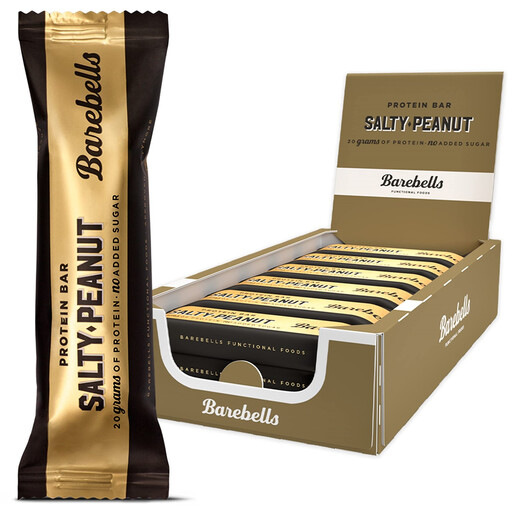
Why this suits this profile: Ready to eat, this bar lets you try sports nutrition without any equipment or preparation. It provides 20 g of protein in 55 g and is easy to carry around.
The protein, sugar and polyol content is listed per bar, making it easy to compare with other snacks.
20 g of protein and 200 kcal per bar, with no palm oil. Contains milk, peanuts and soya.
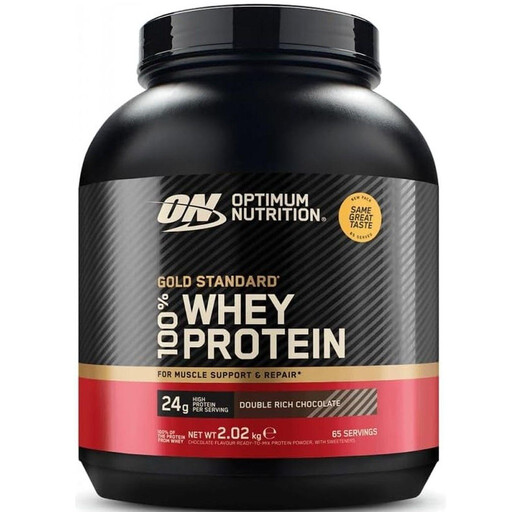
Why this suits this profile: The large tub is ideal for bodybuilders or fitness enthusiasts who use protein powder regularly and prefer to prepare their own servings at home.
The panel clearly states 24 g of protein per 30 g serving, along with the carbohydrate, fat and salt content.
A blend of whey isolate, concentrate and hydrolysed whey isolate. Mix with 180 to 240 ml of water or milk.
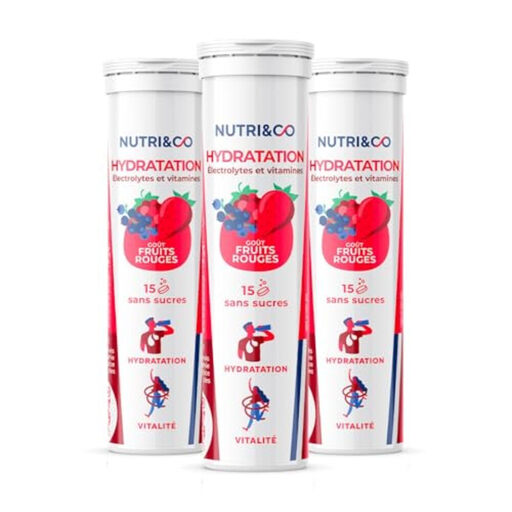
Why this suits this profile: The tablet format is ideal for runners, cyclists and athletes who want to prepare a hydration drink during or after exercise.
The ingredients list details the amounts of sodium, potassium, magnesium and chloride per tablet, rather than just making a general hydration claim.
300 mg of sodium and 300 mg of potassium per tablet. Sugar-free, dissolve in 300 to 500 ml of water.
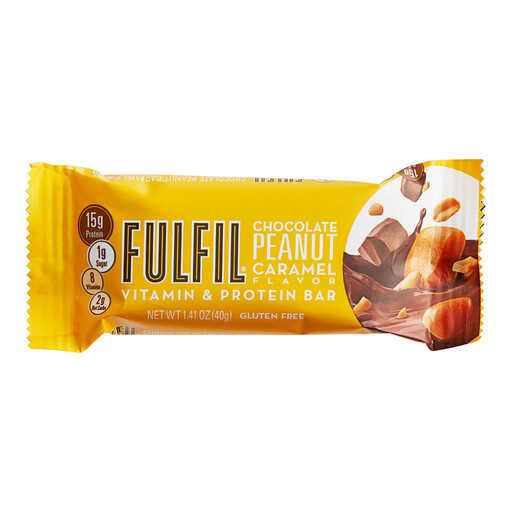
Why this suits this profile: Individual portions are easy to slip into a busy day, a commute or your bag when your workout is followed by travel.
The product page breaks down the protein, sugar, fibre and polyol content, helping you assess where the bar fits into your daily diet.
15 g of protein and 1 g of sugar per 40 g bar. Contains milk, soya and peanuts.
We have curated a full, real-time updated list of products that meet these demanding selection criteria and comply with European safety regulations.
Whey protein usually comes as a powder that you mix with water or milk. It is ideal for people who want to adjust their protein intake easily at home. A protein bar is ready to eat and more convenient when you are out and about, but its recipe may also contain polyols, fats or texturising agents.
Not necessarily. For a short, moderate-intensity session, water is often enough. Electrolytes can be useful during long sessions, in hot weather or when you are sweating heavily. Always check the sodium and potassium levels, as well as any precautions on the label.
Follow the date on the packaging and the storage instructions from the manufacturer. Seal the container tightly and store it in a cool, dry place away from light and moisture. If the smell, texture or colour seems unusual, it is best not to use the product.