
Livraison le jour même ou le lendemain

Qualité garantie

Débloquez vos offres de bienvenue: Livraison GRATUITE | Jusqu'à -80 % | 30 jours d'essai gratuits à JoyPlus
Téléchargez l'application
By Joybuy’s product recommendations manager
With promises of instant power, complicated blends and formats that are not always practical, buying sports supplements can quickly push up the bill. An under-dosed powder, tablets that are difficult to swallow or a formula that piles in ingredients without clearly explaining their purpose may not necessarily help you achieve your goal.
Whether you want to improve your performance, build muscle or recover more effectively after training, there are three pitfalls to avoid before placing your order.
A 1 kg pouch may automatically seem like good value, but this figure says nothing about how much you actually consume with each serving. Check the dose per serving and the number of servings provided. With creatine, for example, one dose may contain 3 g of creatine monohydrate, while another product lists 3.4 g of raw material to provide 3 g of creatine.
Formulas containing taurine, beta-alanine, BCAAs, L-arginine or HMB do not all meet the same needs. Each ingredient has its own purpose, and complex blends can make it difficult to calculate how much you are actually consuming.
Creatine powder mixes easily with water or a protein shake, but it needs to be stored away from moisture. Tablets are easier to slip into a bag, but a daily dose of 3 g may require several tablets. The best supplement is therefore also one you can take consistently, without turning every serving into a chore.
For creatine monohydrate, check the amount stated per serving, the total number of servings and the form of creatine used. Micronised creatine contains finer particles, which may make it easier to mix into a drink. That does not automatically make it better for every use: taste, solubility and format remain important considerations.
Creatine powder is particularly suitable for those who prepare a shake before or after their workout. Tablets may be more convenient for people who are often on the go or prefer to avoid powders.
The authorised claim in the European Union states that creatine increases physical performance during successive bursts of short, high-intensity exercise, with the effect obtained from a daily intake of 3 g of creatine. This regulated wording does not guarantee individual results.
For BCAAs, check for the presence of L-leucine, L-valine and L-isoleucine, along with the amount per serving. Some products also contain vitamin B6, which is associated with authorised claims relating to normal energy-yielding metabolism and the reduction of tiredness and fatigue.
Beta-alanine is often chosen to support efforts requiring good muscular endurance. It may cause a tingling sensation in some people. It is therefore best to follow the dose stated on the packaging and avoid combining several products that already contain it.
If you are looking for vegan sports supplements, look for an explicit statement on the label and also check the composition of the capsules and excipients. Taurine, L-arginine and HMB may be available in several forms, with dosages that vary considerably from one formula to another.
A food supplement is not a substitute for a varied diet, sufficient protein intake, good hydration or quality sleep. Your age, current medication and medical history should also be taken into account.
L-arginine may not be suitable for people with low blood pressure or those taking antihypertensive medication. If you have a medical condition, are taking medication, are pregnant or breastfeeding, ask a healthcare professional for advice before using beta-alanine or a combination formula.
A testosterone booster should be approached with caution: the presence of zinc or vitamin D only allows the authorised nutritional functions of these nutrients to be highlighted. It does not guarantee an increase in hormone levels or an automatic improvement in performance.
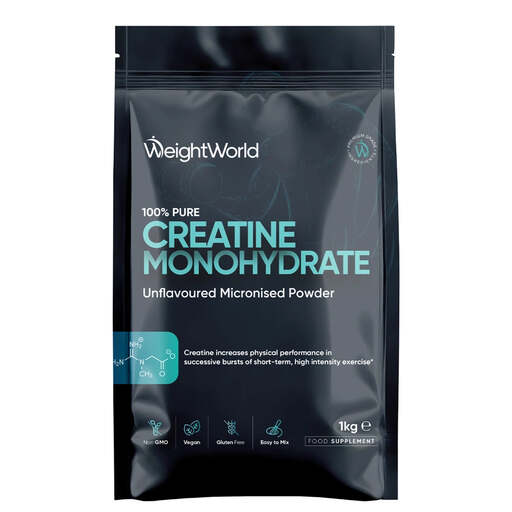
Why this product suits this profile : With its 1 kg format, this unflavoured creatine powder is ideal for people who want to mix it with water, juice or a protein shake.
The product details clearly state 3 g of creatine monohydrate per scoop and include a measuring scoop, making it easier to keep track of your serving.
A formula with no artificial flavouring, suitable for vegans and gluten-free, supplied in a resealable pouch in 300 g, 500 g and 1 kg formats.
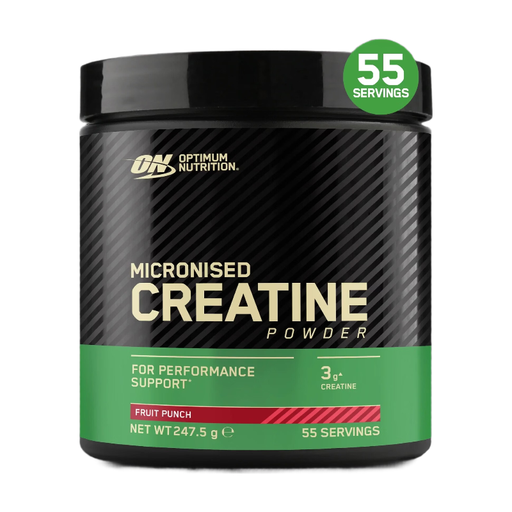
Why this product suits this profile : This flavoured micronised powder is aimed at users who value taste and easy preparation around their workouts.
The product details distinguish between 3.4 g of creatine monohydrate and 3 g of creatine per serving, removing any ambiguity when checking the dosage.
247.5 g divided into 55 servings, a Fruit Punch flavour, a stated serving size of 4.5 g and the option to mix the product with juice, a smoothie or a protein drink.
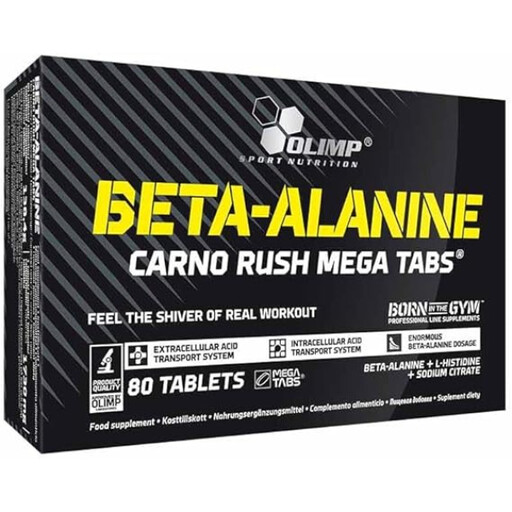
Why this product suits this profile : Its tablet format suits athletes who plan their intake carefully around demanding workouts and are looking for a source of beta-alanine.
The product details break down the intake for 3 and 4 tablets. This means you can check the amount of beta-alanine instead of relying on a general claim.
A serving of 4 tablets provides 3.2 g of beta-alanine, along with sodium, L-histidine and vitamin B6. The manufacturer recommends taking the product with plenty of water.
We have put together a comprehensive, real-time-updated list of products that meet these strict selection criteria and European safety requirements.
Products containing L-arginine, HMB or marketed as testosterone boosters require particular attention when it comes to precautions. Avoid combining several supplements containing similar ingredients without calculating your total intake.
It depends on the best-before date and storage conditions. Close the pouch or tub carefully, keep it in a cool, dry place and protect the powder from moisture. Tablets are generally easier to transport, but the information on the label remains the definitive reference.
Product details often recommend taking it before or after your workout, or even at another time of day. With creatine, daily consistency matters more than sticking to a time presented as compulsory. Follow the recommended serving and the instructions on the packaging.
Compare the price per serving, rather than just the price of the pouch or bottle. A larger format may reduce the unit cost, while a flavoured product or one sold in tablet form may be more expensive. Also remember to check the actual number of servings and the daily active dose.