
Livraison le jour même ou le lendemain

Qualité garantie

Débloquez vos offres de bienvenue: Livraison GRATUITE | Jusqu'à -80 % | 30 jours d'essai gratuits à JoyPlus
Téléchargez l'application
With whey, amino acids, electrolytes and pre-workout formulas all competing for your attention, sports nutrition can quickly become difficult to navigate. A product that is heavily promoted is not necessarily right for your diet, your discipline or how often you train.
Before buying sports supplements, there are three common pitfalls to watch out for.
Claims such as “energy”, “muscle recovery” or “performance” are not enough to distinguish between two products. Instead, look at the quantity per serving, the product format and the complete ingredient list. A powder containing 22 or 24 g of protein per serving cannot be compared directly with a protein bar providing 15 or 20 g.
Sweeteners, polyols, caffeine, salt and allergens can all affect how a product suits you. For example, a bar high in maltitol may not be suitable for those with sensitive digestion. Similarly, a pre-workout formula containing caffeine calls for caution late in the day.
A bag weighing several kilos may seem economical, but the price per serving depends on how much you use each time. Compare the number of servings, the weight of one serving and the protein or active ingredient content, rather than relying solely on the total weight.
If you want to increase or maintain your daily intake, start by checking the amount of protein per serving. A whey protein may combine whey isolate, concentrate and hydrolysed milk proteins. This information helps you distinguish a primarily protein-based formula from a blend containing more carbohydrates or flavourings.
People with allergies should check for the possible presence of “milk”, “soya”, “peanuts”, “gluten” or “tree nuts”. The amino acids naturally found in whey, such as BCAAs and glutamine, do not necessarily mean that the product has been specifically formulated with BCAAs or L-glutamine.
How you take a supplement depends on your goal:
Always follow the serving size stated on the label. A supplement is no substitute for a varied diet, sufficient hydration or regular sleep.
Individual sachets are convenient when travelling, while a large tub is better suited to regular use at home. For protein powder or BCAAs, check that the container closes securely and follow the storage instructions. For liquid products, check the best-before date and consume them immediately after opening if recommended on the label.
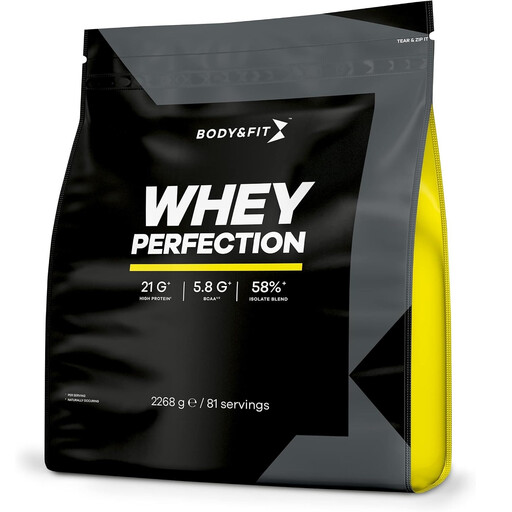
Why this choice suits this profile : With around 81 servings, this format is ideal for anyone looking to gradually add whey to their routine without buying multiple products.
The product details state that one 28 g serving provides 22 g of protein, 1.5 g of sugars and 1.6 g of fat.
Blend of whey isolate, concentrate and hydrolysate; 2.26 kg format; mix with 250 ml of water or milk.
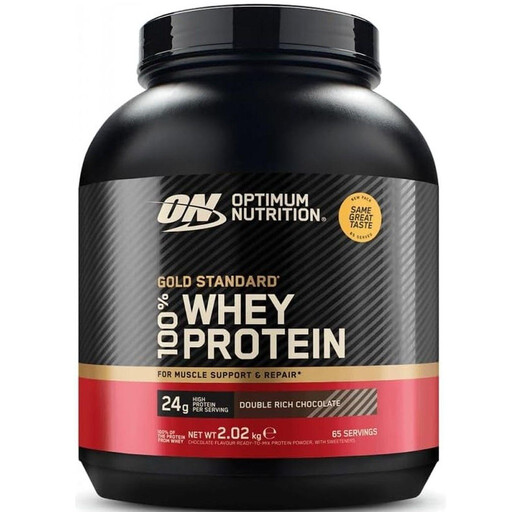
Why this choice suits this profile : At 2.02 kg, this large format is aimed at regular users who have protein powder several times a week.
The product details specify 24 g of protein per 30 g serving, along with 1.6 g of carbohydrates and 1.4 g of fat.
Whey isolate, concentrate and hydrolysate; 65 stated servings; instant formula to mix with 180 to 240 ml of liquid.
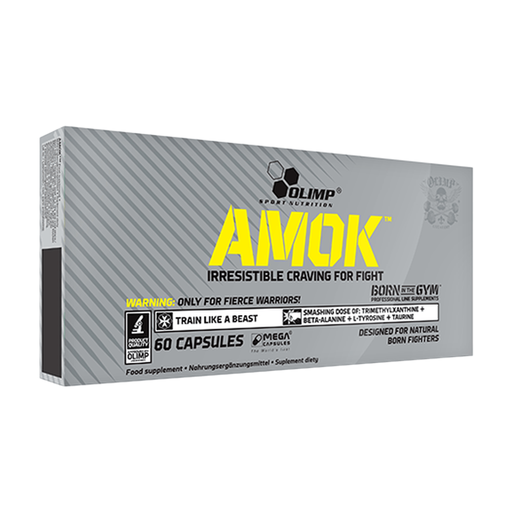
Why this choice suits this profile : This formula is designed for active adults, particularly combat sports enthusiasts, who want a convenient supplement to take before a session.
The caffeine content is clearly stated: 125 mg per capsule and 300 mg for two capsules. This makes it easier to keep track of your daily intake.
Per serving, the product details list 400 mg of taurine, 300 mg of beta-alanine, 125 mg of magnesium and 1.75 mg of vitamin B6.
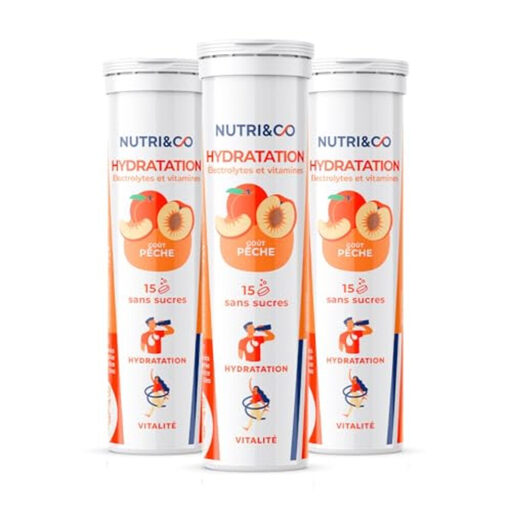
Why this choice suits this profile : The effervescent format fits easily into a gym bag and can be prepared in 300 to 500 ml of water.
The quantities are detailed per tablet: 300 mg of sodium, 300 mg of potassium, 120 mg of calcium and 56.25 mg of magnesium.
Sugar-free according to the product details; vitamins C, B2, B6 and B9; pack of three tubes containing 15 tablets each.
We have brought together a complete, real-time updated selection of products that meet these demanding criteria, as well as European safety regulations.
A whey protein with clearly stated nutritional values, a straightforward serving size and a format suited to your consumption is a good place to start. Pay particular attention to the amount of protein per serving, sugars, fat and allergens. A protein bar can occasionally complement your diet, but it does not automatically replace a balanced meal.
These products are intended for different uses and are only essential in certain situations. BCAAs provide leucine, isoleucine and valine; L-glutamine and L-citrulline are suited to other uses. Before adding several amino acids, first check your total protein intake and all the ingredients already included in your routine.
The frequency depends on the product, your diet and your personal circumstances. Follow the serving size stated on the label and monitor the potassium, magnesium, zinc and vitamin B6 already provided by other supplements. If you are pregnant, taking medication, have a kidney or heart condition, or have high blood pressure, ask a healthcare professional for advice before taking any supplement.