
Livraison le jour même ou le lendemain

Qualité garantie

Débloquez vos offres de bienvenue: Livraison GRATUITE | Jusqu'à -80 % | 30 jours d'essai gratuits à JoyPlus
Téléchargez l'application
Between whey protein, BCAAs, protein bars and hydration drinks, it is not always easy to know what to choose. Flashy packaging or promises of rapid recovery are not enough to make the right decision. The ingredients, serving size, allergens and timing matter far more than the marketing claims.
This guide to sports nutrition helps you avoid unnecessary purchases and choose supplements suited to your training, while taking into account the habits and budgets of athletes in France.
A large tub of protein powder may seem like good value, but first check the number of servings and the amount actually provided per dose. To compare prices, look at the cost per serving and the number of grams of protein, rather than the net weight of the pack alone.
A whey product labelled “30 g of powder” does not necessarily provide 30 g of protein. The remainder may consist of carbohydrates, flavourings or texturising agents.
BCAAs, L-glutamine and certain other amino acids are often sold separately, even though a sufficiently protein-rich diet already provides them. These products may be convenient or suit personal preferences, but they do not replace a varied, balanced diet.
The same applies to a caffeinated pre-workout formula: it is not suitable for every schedule or sensitivity level. Check the amount of caffeine per capsule or serving, particularly if you already drink coffee, tea or energy drinks.
Milk-based products generally contain milk proteins and may also include soy lecithin. Protein bars can contain peanuts, tree nuts, gluten or polyols. In some people, polyols may cause digestive discomfort when consumed in large quantities.
Before placing an order, read the ingredients list carefully, along with the “contains” and “may contain traces of” statements.
For a whey protein, check the amount of protein per serving and the type of whey used: isolate, concentrate or blend. Protein powder can be a convenient option after a workout, at breakfast or between meals. However, your daily intake should remain consistent with your overall diet and activity level.
For BCAAs, check the total amount of L-leucine, L-isoleucine and L-valine. A 2:1:1 ratio is common, but the number of grams per serving is what allows you to make a meaningful comparison between products.
A protein bar can be useful when travelling or after training, but it remains a processed food. Compare the amount of protein, sugar, fat and fibre per bar. For a long outing or endurance session, a fruit paste or isotonic drink may provide more carbohydrates than a bar primarily designed to deliver protein.
An isotonic drink is mainly intended to provide water and electrolytes during or after exercise, particularly in hot weather or when a session lasts longer than usual. For a short workout, a sugary drink is generally unnecessary.
Magnesium, L-citrulline, L-arginine and L-glutamine are different supplements, each with its own usage precautions. Follow the recommended dosages, avoid combining several products containing the same vitamins or stimulants, and seek advice from a healthcare professional if you are taking medication, are pregnant or breastfeeding, or have a medical condition.
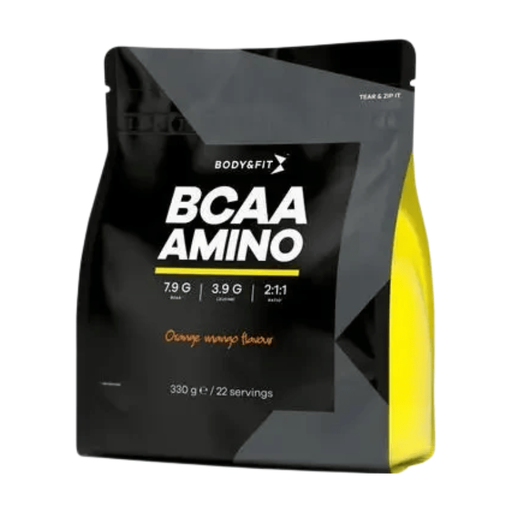
Why this product suits this profile: its powder format lets you prepare the drink to suit your routine, before, during or after exercise. Its formula is suitable for both vegetarians and vegans.
The product page clearly states 8 g of BCAAs per 15 g serving, with a 2:1:1 ratio. This makes it easier to compare with other amino acid products.
330 g of powder, 22 stated servings and three clearly identified amino acids: L-leucine, L-isoleucine and L-valine.
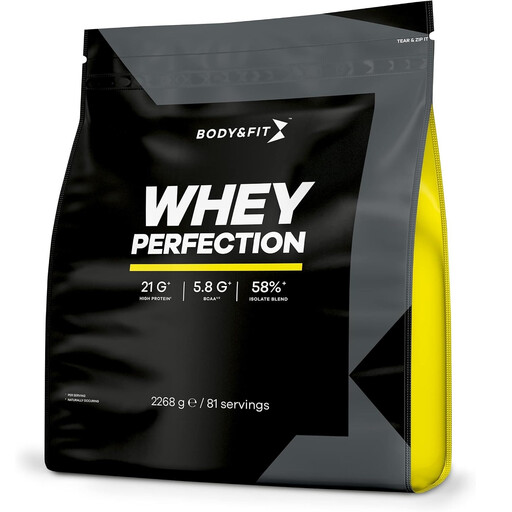
Why this product suits this profile: this large format is designed for people who regularly use protein powder to supplement meals or support their strength-training sessions.
The serving is set at approximately 28 g and provides 22 g of protein, 1.5 g of carbohydrates and 100 kcal, according to the information provided.
A blend of whey isolate, concentrate and hydrolysate, with 5 g of BCAAs and 3.6 g of naturally occurring L-glutamine per serving.
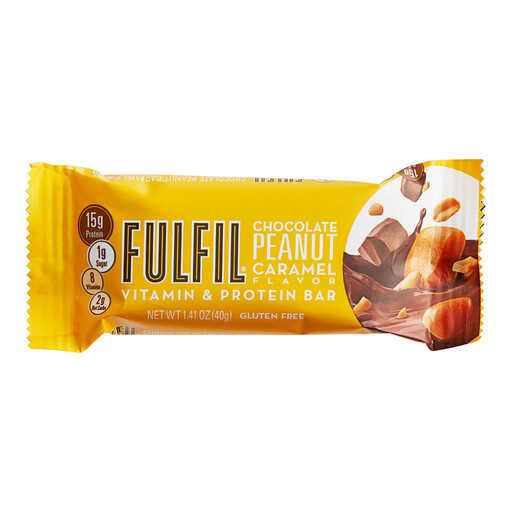
Why this product suits this profile: the individual portions slip easily into a gym bag, desk drawer or glove compartment for busy days.
The product page states 15 g of protein and 1 g of sugar per bar. However, take the polyols and allergens into account: milk, soy and peanuts.
190 kcal per bar, 8 g of fibre and individual packaging. No shaker or preparation is required.
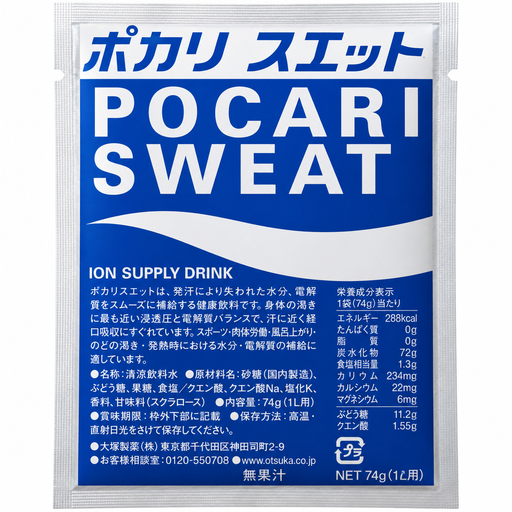
Why this product suits this profile: the sachet dissolves in 1 litre of water, making it suitable for long outings, outdoor training and periods of hot weather.
The dilution instructions are clearly stated: one sachet per litre. This allows you to prepare the drink accurately and avoid an overly concentrated formula.
According to the product page, the sachet provides 73 g of carbohydrates and 520 mg of sodium, as well as potassium, calcium and magnesium.
We have brought together an up-to-date selection of sports nutrition products, including their formats, ingredients and usage guidance.
For most athletes, a simple approach is all that is needed:
The mandatory regulatory guidance remains essential: a food supplement is not a substitute for a varied diet or a healthy lifestyle. If in doubt, seek advice from a healthcare professional before using it.
There is no mandatory timing. You can consume it after training, at breakfast or between meals, depending on your diet and schedule. Follow the recommended serving size on the label and mix it with water, milk or another suitable preparation.
BCAAs are amino acids naturally found in protein-rich foods. They may be convenient in certain situations, but they are not essential for everyone. Before adding a specific product, review your diet and your total daily protein intake.
Follow the date shown on the packaging and the storage conditions specified by the manufacturer. Reseal the tub after each use and store it in a cool, dry place away from light. For bars and prepared drinks, follow the manufacturer’s recommendations. A reconstituted drink should generally be refrigerated for the period stated on its product information page.