
Livraison le jour même ou le lendemain

Qualité garantie

Débloquez vos offres de bienvenue: Livraison GRATUITE | Jusqu'à -80 % | 30 jours d'essai gratuits à JoyPlus
Téléchargez l'application
Choosing sports sunglasses can often feel like navigating a minefield. Between marketing promises and complex spec sheets, it's easy to end up with a pair that's ill-fitting, uncomfortable, or worse, doesn't offer proper protection. As the head of product selection at Joybuy, my mission is to help you see things more clearly. Let's break down the common pitfalls and the essential criteria for making the right choice.
Before you even start comparing models, it's crucial to know how to spot the deal-breakers on the field.
To avoid these traps, focus on a few objective technical features. These are the true hallmarks of quality and performance in your future sports sunglasses.
The UV400 standard guarantees that the lenses block 100% of ultraviolet rays with a wavelength up to 400 nanometres, which includes all UVA and UVB rays. This is the highest level of protection and an essential standard for any outdoor activity, whether it's for cycling glasses, running, or water sports.
Forget rigid, brittle plastics. The TR90 frame has established itself as the gold standard in the sports world, and for good reason. It's a composite thermoplastic that offers a unique combination of lightness, flexibility, and durability. Lightweight sunglasses with a TR90 frame can bend without breaking and return to their original shape—a winning combination for durability and comfort.
Polarised sports sunglasses incorporate a filter that neutralises the blinding glare from horizontal surfaces like water, snow, or a wet road.
To illustrate how these criteria apply in practice, here is our selection for different types of athletes.
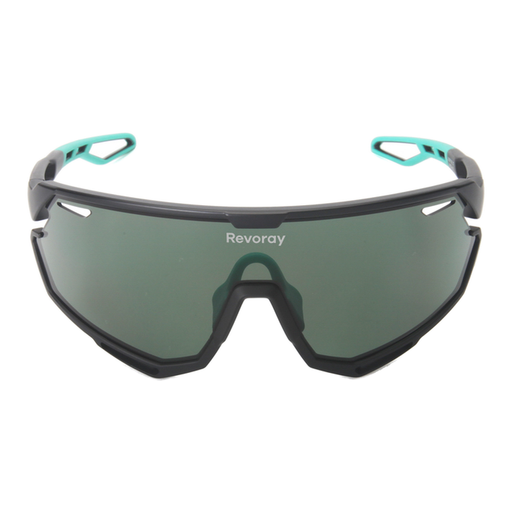
Editor's Verdict : Engineered for performance, these glasses combine an air-slicing aerodynamic design with a featherlight weight of just 30 grams. The perfect choice for cyclists chasing every marginal gain.
Its TR90 frame eliminates any risk of breakage, while the non-slip rubber temples and nose bridge solve the problem of glasses slipping from sweat.
Its single-piece polycarbonate (PC) lens provides a panoramic field of view and top-tier impact resistance. A real bonus for safety.
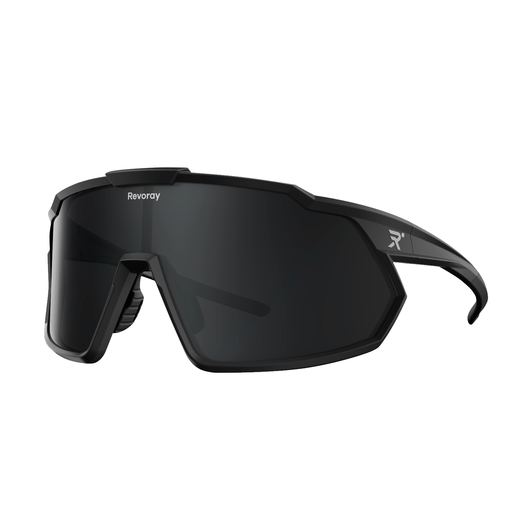
Editor's Verdict : The solution for those who want to put an end to glare on the road or water. Its TAC polarised lenses filter out distracting reflections for crisp vision and unparalleled comfort.
This model checks all the boxes : full UV400 protection and high-performance polarised lenses. Say goodbye to low-quality protection and visual fatigue from glare.
Its lenses are certified for impact resistance (ANSI Z87.1 standard) and feature hydrophobic and oleophobic coatings. In plain English : water and grease slide right off, making them a breeze to clean.
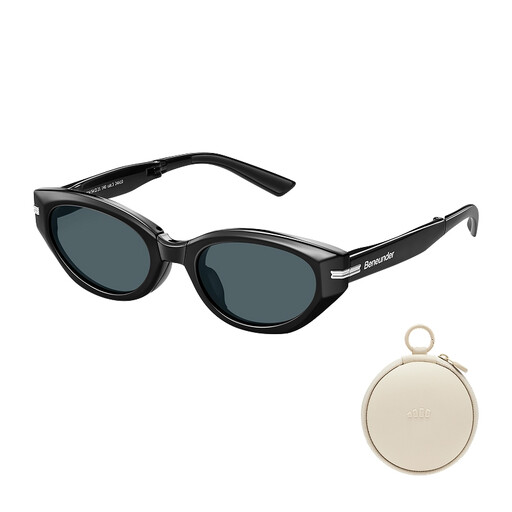
Editor's Verdict : The do-it-all pair, perfect for casual sports, driving, and daily wear. Its patented folding system makes it ultra-compact : it slips into any pocket.
Its foldable TR90 frame combines lightness with durability. Comfort is guaranteed by air-cushioned nose pads and soft temple tips, which eliminate painful pressure points.
Its ultra-portability is its killer feature. The high-definition nylon lenses, with an OAR anti-reflective coating, ensure impeccable visual clarity, all with UV400 protection that filters over 99.8 % of UV rays.
Explore our full selection of products that meet all our quality criteria and current safety standards.
After each outing, rinse them with clean water to remove sweat and dust. Dry them gently with the provided microfibre cloth. Never use alcohol-based cleaners or harsh chemicals, as they can damage the lens coatings. Finally, always store them in their case to protect them from scratches and impacts.
Absolutely. TR90 is a shape-memory material. Unlike conventional plastics that harden and become brittle, it can bend under stress before returning to its original shape. This flexibility makes it much more resistant to drops and twists, a major advantage for sports.
They are perfect for most activities in bright sun, especially on the road or water. Be aware, however, that they can make it difficult to read some digital screens (bike computer, GPS watch). For sports where it's vital to distinguish ice patches from snow (like skiing), some athletes prefer non-polarised, high-contrast lenses. The final choice really depends on your specific activity.