
Livraison le jour même ou le lendemain

Qualité garantie

Débloquez vos offres de bienvenue: Livraison GRATUITE | Jusqu'à -80 % | 30 jours d'essai gratuits à JoyPlus
Téléchargez l'application
Whether you're on your bike, in the middle of a run, or just relaxing on a patio, a good pair of sunglasses is an essential accessory for any athlete. The problem? The market is saturated with models making often vague marketing promises. The risk is ending up with a pair that's ill-suited, uncomfortable, or worse, doesn't properly protect your eyes. As a product expert for our editorial team, my role is to help you cut through the noise. Let's review the pitfalls to avoid and the technical criteria to check to make the right choice.
Before we even get into the technical details, let's tackle the two most common mistakes that lead to a purchase you'll bitterly regret.
To avoid these pitfalls, focus on the few features that truly make a difference in a pair of sports sunglasses.
Beyond simple UV protection, lens technology has a direct impact on your visual comfort and performance.
The comfort and fit of your sunglasses depend entirely on the quality of their frame.
To illustrate these criteria, here is a selection of models suited to different types of athletes.
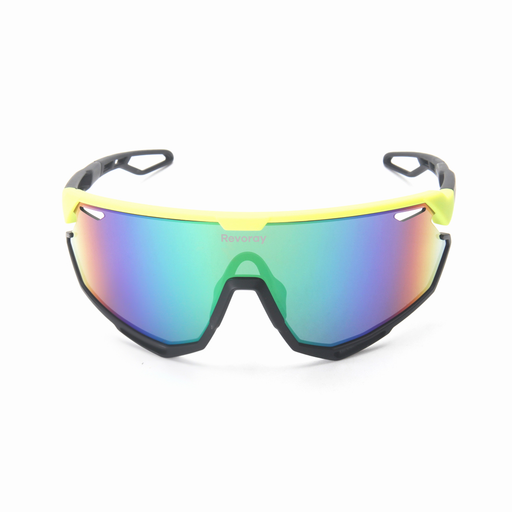
WHY THIS MODEL? Designed for road cycling and MTB, these glasses combine an aerodynamic design that minimises wind resistance with an ultra-light TR90 frame (around 30 g) for optimal long-distance comfort.
The discomfort pitfall is avoided thanks to the ergonomic TR90 frame and non-slip rubber inserts on the nose and temples, ensuring perfect stability even on rough terrain.
The single-piece polycarbonate (PC) lens offers a panoramic field of view and excellent impact resistance, a real safety bonus for high-speed sports. UV400 protection is, of course, included.
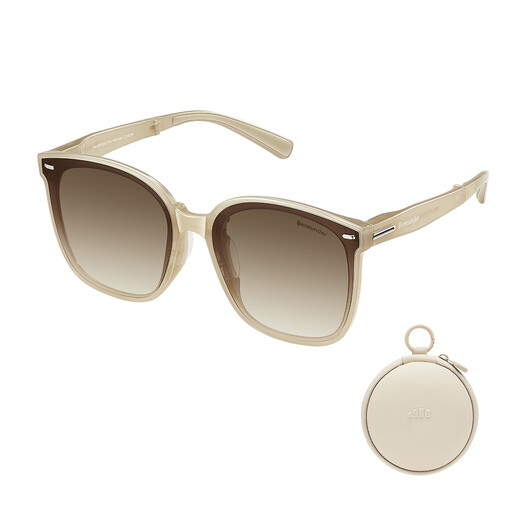
WHY THIS MODEL? Perfect for travellers, drivers, and anyone looking for a do-it-all pair. Their patented foldable design and feather-light 26 g weight make them an ultra-practical accessory to take anywhere, without sacrificing style.
This model avoids the trap of bulky and fragile glasses. The TR90 frame is robust, and the folding system allows them to be stored safely in a compact case, protected from scratches and impacts.
Their compactness is their greatest asset. Once folded, they are only 35 mm thick. The high-definition nylon lenses guarantee UV400 protection and feature an anti-reflective coating for flawless vision.
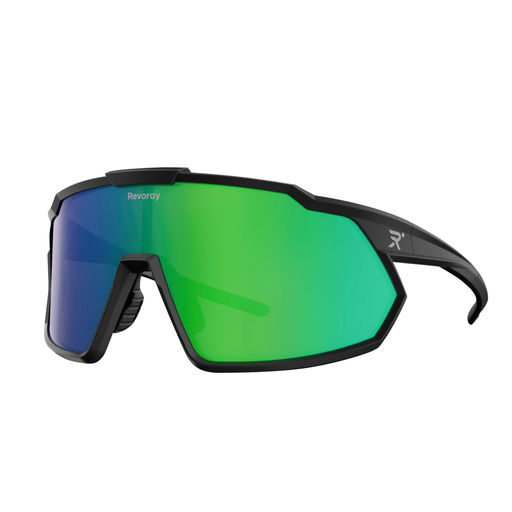
WHY THIS MODEL? This model packs all the essential technical features for versatile use. It combines polarised lenses, UV400 protection, and a lightweight TR90 frame (33 g), making it a reliable and effective choice for numerous outdoor activities.
This model avoids paying for superfluous features. It gets straight to the point: certified protection (ANSI Z87.1 standard for impact resistance), clear vision thanks to polarisation, and guaranteed comfort.
The inclusion of HD TAC polarised lenses is a real plus, effectively reducing glare for superior visual clarity. The adjustable nose pads allow for a custom fit.
We have curated a complete range of products that meet our strict selection criteria and current standards.
Simple but regular maintenance is key. After each outing, rinse them with clean water to remove sweat and dust. Dry them gently with the provided microfibre cloth. Most importantly, never use alcohol-based cleaners or harsh chemicals that could damage the lens coatings. When you're not wearing them, always store them in their rigid case to protect them from scratches and crushing.
Not always, but they are highly recommended in many situations. For sports on the road (cycling, running), on the water (fishing, sailing), or on snow, polarisation is a real asset for safety and comfort because it eliminates glare. However, for sports in the forest like mountain biking, where it's crucial to read shadows and terrain features, some prefer non-polarised, high-contrast lenses. The choice, therefore, depends on your primary discipline.
Absolutely. TR90 combines properties that are ideal for sports. Its flexibility allows it to bend without breaking, making it much more durable than conventional rigid plastic in case of a fall or twist. Its lightness, meanwhile, is a direct comfort factor, which is essential for glasses worn during several hours of exertion.