
Livraison le jour même ou le lendemain

Qualité garantie

Débloquez vos offres de bienvenue: Livraison GRATUITE | Jusqu'à -80 % | 30 jours d'essai gratuits à JoyPlus
Téléchargez l'application
A pair of sports socks might seem like a trivial purchase. Yet the wrong size, an unsuitable material or an overly thick sole can lead to slipping, chafing and discomfort after just a few hours. For active adults, basketball players, fitness enthusiasts or professionals who spend their days on their feet, it's well worth taking the time to check a few key points.
Here are the main pitfalls to avoid and the criteria to examine before buying socks for men, women or unisex styles.
The term breathable socks doesn't always tell you the full story about the fabric composition or the knit structure. Cotton feels soft against the skin, but it holds onto moisture more than a synthetic fibre in certain sporting situations. Conversely, a very fine mesh might dry quickly but prove less comfortable or less durable.
Check the composition, whether there are any ventilated zones and the intended use. For a fitness session, a blend of polyester and elastane can offer both flexibility and support. For everyday wear, a mix based on cotton or bamboo viscose will focus more on softness.
Cushioned socks are useful for activities involving impact or for weight training. But a thick terry sole, slipped into an already snug shoe, can compress your toes and cause the temperature to rise.
The level of cushioning needs to match the space available inside your shoe. For basketball or training, go for a reinforced sole and an arch support band. With a pair of smart shoes, a moderate thickness will generally be more comfortable for daily wear.
Antibacterial socks may have a textile treatment or incorporate a specific fibre. That doesn't replace regular washing or thorough drying, though. The percentages quoted should be considered alongside a specific test method and clearly identified micro-organisms.
Some Li-Ning model listings, for example, state efficacy rates against Staphylococcus aureus, Escherichia coli and Candida albicans. These figures correspond to the information provided for the product; they are neither a medical guarantee nor permanent protection during wear.
The composition should match the activity you're doing:
Elastane helps the sock keep its shape, but a style that's too tight can quickly become uncomfortable. The cuff should stay in place without compressing or leaving a deep mark on your skin.
Mid-calf socks cover the ankle and part of the calf. They suit many uses: basketball, training, workwear or daily life. Always compare the European size stated on the product page with your usual shoe size.
For Li-Ning models, the size guide links European sizes 39-40 to a foot length of 260-270 mm, and sizes 41-42 to a length of 280-290 mm. If you're unsure, consult the seller's size chart rather than relying solely on S, M, L or XL.
A well-fitting sock should:
Reinforced zones at the heel, toes or under the arch can improve durability. For compression socks, check the compression level stated by the manufacturer and the intended use. They should not be chosen as a medical solution without professional advice.
Care directly affects the product's lifespan:
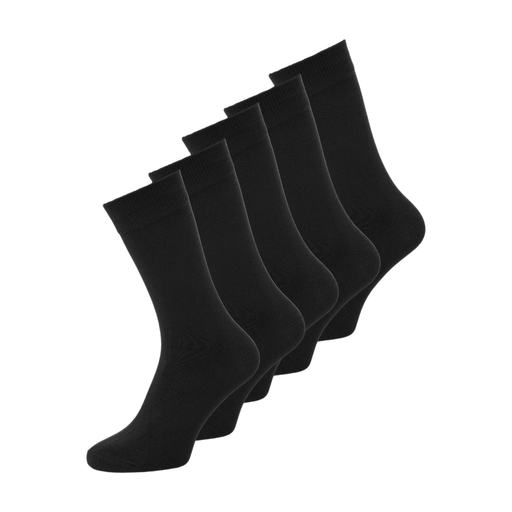
Why this model works: a five-pack for everyday wear, commuting and moderate activities.
The composition is clearly stated: 52% bamboo viscose, 26% polyester, 20% cotton and 2% elastane. The number of pairs is clearly indicated.
Circular knit, mid-calf height, stretchy fabric and machine washable up to 40°C according to the product page.
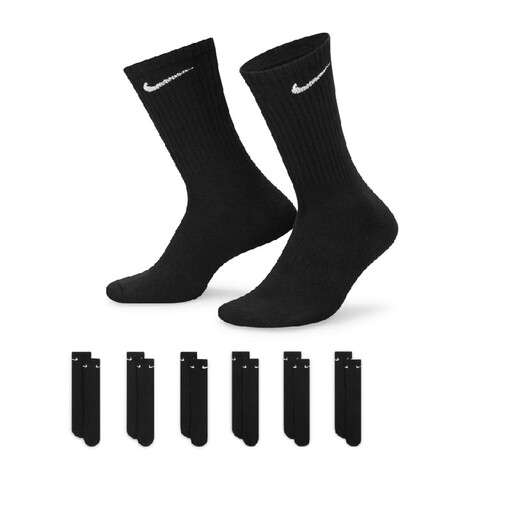
Why this model works: its thick terry sole and ribbed arch band are well suited to weight training and dynamic exercises.
The product page states the mid-height, European sizes from 34-38 to 46-50 and the textile composition. Check the space in your shoes before opting for a thick sole.
Six-pack, terry cushioning and arch support band.
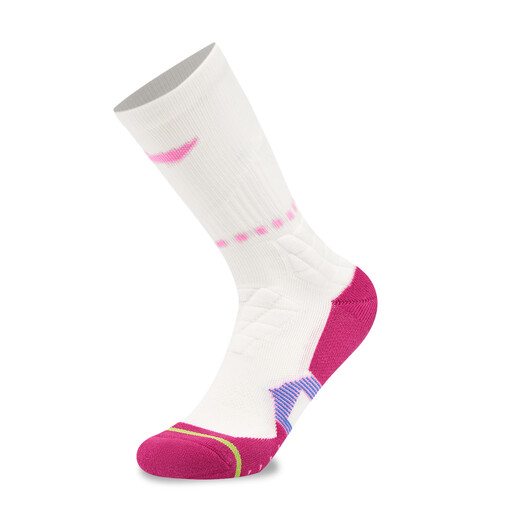
Why this model works: its unisex mid-calf cut, elasticated cuff and flexible knit cope well with changes of direction and regular training sessions.
The size chart is available and the stretchy construction reduces the risk of a too-tight cuff. The antibacterial properties remain as stated by the manufacturer.
Mid-calf height, jacquard pattern, polyester and elastane blend, plus several colour options available.
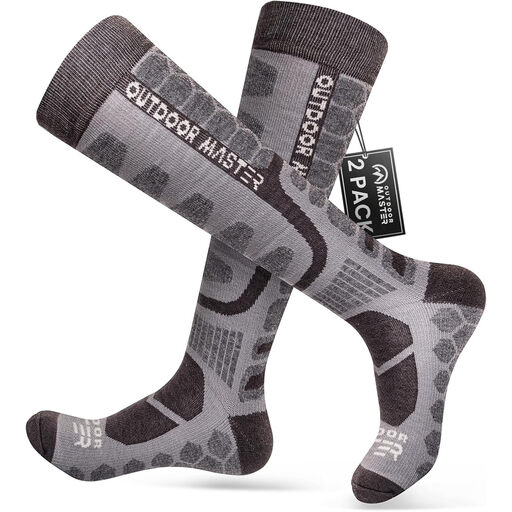
Why this model works: its over-the-calf height, compression zones and targeted reinforcements are suited to skiing and snowboarding alike.
The wool content is stated at 30%, as are the sizes and reinforced zones. Compression should not be mistaken for a medical device.
Two pairs per pack, blended merino wool, anti-slip support and machine washable, with air drying recommended.
For professional use, Utree cotton socks claim a seamless toe construction, a three-dimensional heel and an elasticated cuff. They can support long days in smart shoes, provided you check the size and thickness.
We've put together an updated selection of products that meet these criteria, with information on composition, size and uses to help you compare.
It all depends on how often they're washed, the intensity of your activities, the friction inside your shoes and the quality of the reinforced zones. A pair worn several times a week will naturally wear out faster than one rotated with several packs. A thinning heel, loose knit or a hole are all signs it's time to replace them.
Cotton can work for moderate activity or everyday use. For sessions where you sweat heavily, compare it with a synthetic blend or a construction designed to wick moisture. Comfort also depends on your shoes, the temperature and how long you're exercising.
No. They apply varying pressure depending on their design and size. For general sporting use, refer to the manufacturer's instructions. If you have a circulatory problem, pain, irritation or any doubt, seek advice from a healthcare professional before wearing them.