
Livraison le jour même ou le lendemain

Qualité garantie

Débloquez vos offres de bienvenue: Livraison GRATUITE | Jusqu'à -80 % | 30 jours d'essai gratuits à JoyPlus
Téléchargez l'application
Whether you're at the gym, on the basketball court, or on the ski slopes, your choice of sports socks is a detail that can make all the difference. The wrong pair can lead to blisters, discomfort from sweat, or a lack of support. Yet, with the overwhelming number of models available, it's easy to fall into common traps. This guide is here to help you navigate the options and make the right choice.
Before diving into specific models, it's crucial to know the pitfalls that often lead to a purchase you'll regret.
To avoid these issues, focus on three technical parameters that are the hallmark of a good pair of sports socks.
The fabric composition is the primary indicator of performance. For sports, the goal is simple:?find materials that wick sweat away, not absorb it.
More than just a marketing buzzword, the cushioning must be adapted to your activity.
A sock's height isn't just about looks; it also has a practical function. Mid-calf or high-cut models protect against chafing from high-top shoes (basketball, hiking, skiing). Compression socks, on the other hand, apply graduated pressure to the leg. They are valued for their ability to promote blood circulation, reduce muscle fatigue during exercise, and speed up recovery.
Here are a few options that meet specific needs, taking into account the performance criteria we've just discussed.
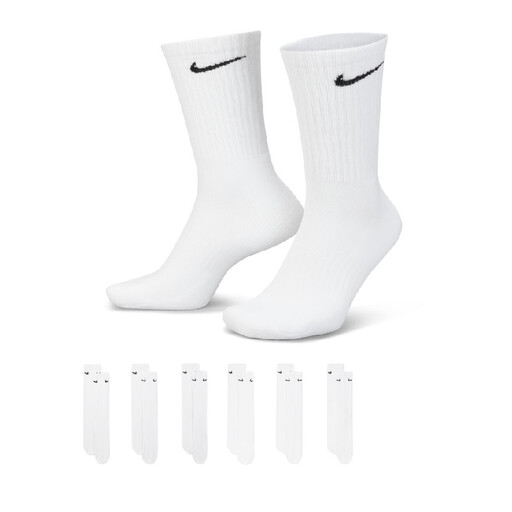
Why this model? For those who train several times a week, this pack of sports socks offers excellent value. They are perfect for fitness sessions, weightlifting, or cardio, with comfort designed for intensive use.
The Dri-FIT technology wicks away sweat, avoiding the pitfall of damp feet. The thick terry sole provides targeted, comfortable cushioning without being bulky. The ribbed arch band ensures a reliable fit that prevents the sock from slipping.
Comfort and moisture management for daily training. The 6-pack format is as economical as it is practical.
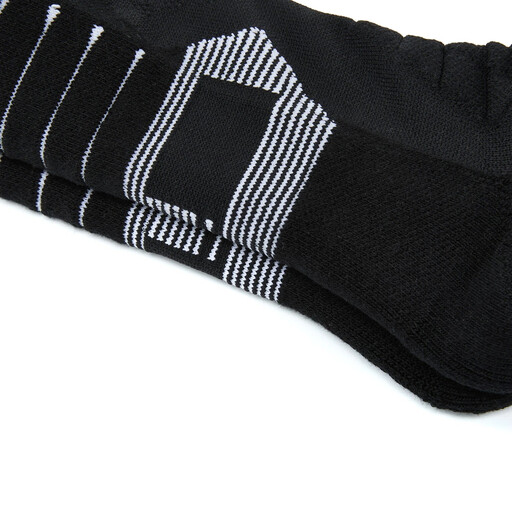
Why this model? Designed for the explosive movements of basketball, these socks combine support and style. They securely wrap the foot without creating uncomfortable pressure points, which is essential during quick pivots.
Their elastic ribbed cuff is designed to stay in place without being too tight, avoiding the notorious problem of slipping socks. The technical fabric blend ensures good breathability. According to the manufacturer, Li-Ning, they even feature an antibacterial treatment.
A snug and secure fit, adapted for pivot-heavy sports. The jacquard design is a stylish bonus on the court.
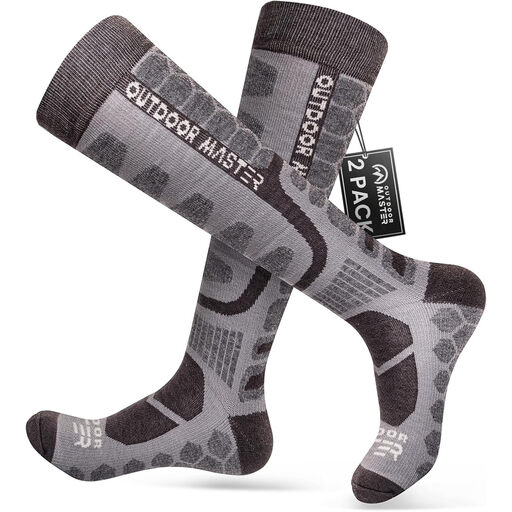
Why this model? Ideal for skiing or snowboarding, these socks combine the benefits of merino wool and compression. They are designed to keep feet warm and dry while improving comfort inside rigid boots.
The blend containing 30% merino wool ensures effective thermo-regulation and moisture wicking. The cushioning is targeted at pressure zones, and the non-slip top band prevents the sock from bunching up at the bottom of the boot.
The winning combination of merino wool + compression to blend warmth, breathability, and muscle support.
Explore our complete selection of products that meet our criteria for performance and quality.
It all comes down to materials and design. Sports socks use technical fibres (synthetics, merino wool) to manage sweat, whereas everyday socks are often made of cotton. They also stand out for their functional features like targeted cushioning, arch support, and ventilation zones not found on classic models.
An ill-fitting sock can create folds, which cause friction and therefore blisters. The easiest way is to follow the manufacturer's size guide, which is based on your shoe size. The sock should hug the shape of your foot without constricting it, with the heel properly positioned. If you're between two sizes, it's better to opt for the smaller one:?a snugger fit will limit creasing.
Buying a pack of sports socks is often a smart, budget-friendly solution for frequent use, like daily gym workouts. However, for more demanding disciplines like skiing or trail running, which require specific protection, it is often wiser to invest in a dedicated technical pair, even if it is more expensive per unit.