
Livraison le jour même ou le lendemain

Qualité garantie

Débloquez vos offres de bienvenue: Livraison GRATUITE | Jusqu'à -80 % | 30 jours d'essai gratuits à JoyPlus
Téléchargez l'application
Choosing your sports socks? A minor detail, really? Think again: this accessory is often the key to your comfort and performance. The wrong choice is a recipe for blisters, discomfort, and ruined workouts. Faced with overcrowded shelves and vague marketing claims, it's hard to know where to start. This guide is here to help you cut through the noise and invest in the right pair.
Before diving into the technical specs, let's review the most common pitfalls that lead to buyer's remorse.
To avoid these disappointments, focus on a few technical details that make all the difference.
Cushioning isn't a gimmick; it's functional protection. Its placement and thickness should be tailored to your activity.
A sock's ability to keep your feet dry is crucial. This is where material choice comes into play.
The height of the sock plays both a protective and a structural role.
To illustrate these criteria, here are a few models that meet very specific needs.
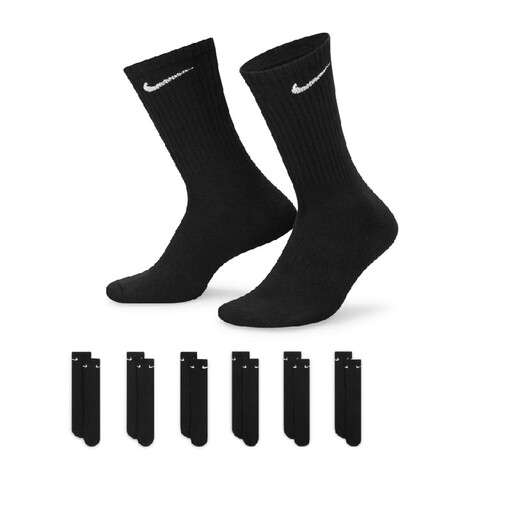
Why This Fits Their Persona: Perfect for gym-goers who train consistently. This men's sock pack offers an excellent durability-to-price ratio. The thick terry sole provides plush cushioning for both weightlifting and cardio sessions.
This isn't your basic sock. This model is specifically designed for training, featuring Dri-FIT technology that wicks away sweat. Goodbye to the damp-feet trap.
Generous cushioning under the entire foot. Arch support band for a secure fit.
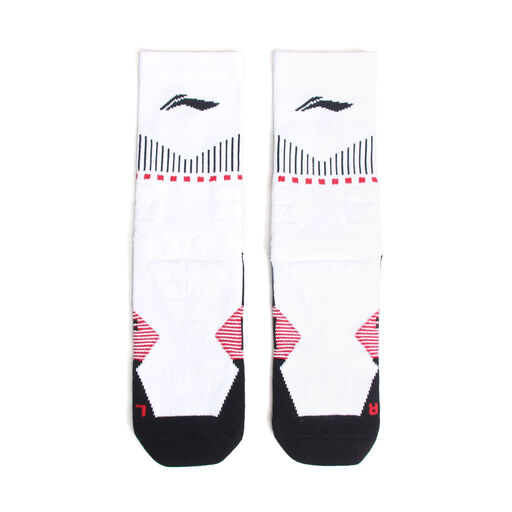
Why This Fits Their Persona: Engineered for the demands of the court, these mid-calf basketball socks secure the ankle during changes of direction and landings. The technical fabric ensures a precise fit without excessive compression.
Far more than just a high sock, this model incorporates a structure designed for basketball, with targeted support and protection that standard socks can't offer.
The Li-Ning bonus: a high-efficiency antibacterial treatment. The jacquard design adds a stylish touch that's a welcome bonus.
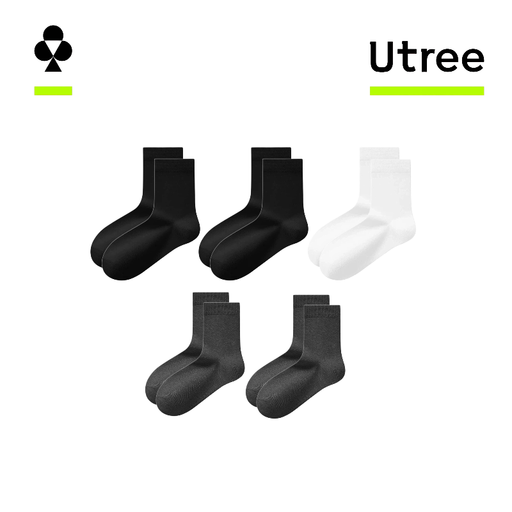
Why This Fits Their Persona: The smart choice for those who juggle long days at the office with impromptu gym sessions. These socks blend the softness of cotton with antibacterial technology for lasting comfort and impeccable hygiene.
This model sidesteps the 100% cotton trap by incorporating an antibacterial and anti-odour treatment, making it viable for extended wear, even for feet prone to sweating.
Seamless toe finish for zero irritation. A 3D ergonomic heel prevents the sock from slipping down into the shoe.
We have compiled a comprehensive list of products that meet these strict selection criteria and current regulations.
The difference is huge and comes down to two things: materials and design. Modern sports socks use technical fibres to wick away sweat, incorporate cushioned zones to absorb impact, and feature support elements (like arch support) for active comfort and better stability.
Without a doubt, synthetic materials (polyester, polyamide) or merino wool are the clear winners for sports. They wick moisture, dry quickly, and keep feet dry. Cotton, despite its apparent comfort, is an athlete's enemy: it holds onto sweat, which softens the skin and promotes friction and blisters. Save it for the sofa.
It all depends on your frequency of use and the quality of the product, but there are some tell-tale signs: the elastic is stretched out and the sock slips, the cushioning is completely flattened, or holes are appearing. In short: as soon as you feel the comfort and support are gone, it's time to retire them.