
Livraison le jour même ou le lendemain

Qualité garantie

Débloquez vos offres de bienvenue: Livraison GRATUITE | Jusqu'à -80 % | 30 jours d'essai gratuits à JoyPlus
Téléchargez l'application
A blister forming mid-run, soaking wet feet during a workout, or a biting cold that sets in on the mountain: these common athlete woes often have the same culprit—the wrong pair of socks. Because no, socks are not just an accessory. They are a true piece of technical gear, capable of radically transforming your comfort and performance, whether you're hiking, at the gym, or on the slopes.
This guide is here to help you cut through the noise and make the right choice, without the confusing marketing jargon. As a product expert, my mission is simple: to give you the keys to finding the perfect pair for your sport.
Choosing a pair of sports socks should never be left to chance. To find that perfect pair that combines comfort, performance, and durability, you need to carefully examine three key criteria.
The composition of your socks has a direct impact on heat and moisture management.
A good technical sock is recognisable by its smart design, engineered for comfort and protection.
Every sport needs its own sock! A pair designed for gym training won't meet the same demands as a model for skiing. The former will focus on breathability and light cushioning; the latter, on thermal insulation and reinforcements adapted to the pressure points of a ski boot. Your activity is therefore the starting point.
To help you find the ideal pair, here is our selection of three models that excel in their respective fields, chosen for their design and performance.
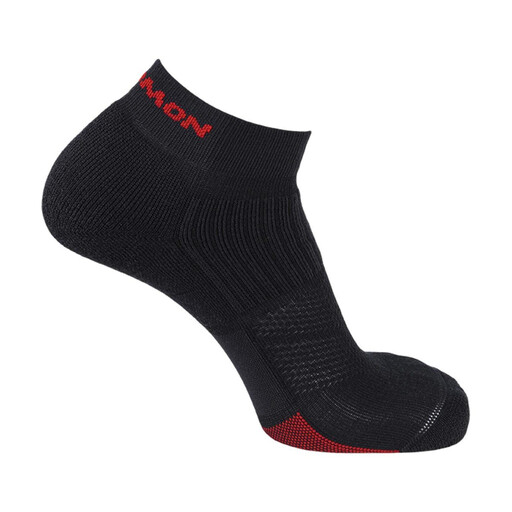
What makes this model stand out? The Salomon X Ultra are true Swiss Army knives for outdoor activities. Their secret? A smart construction that combines airy mesh zones for maximum ventilation with impressive moisture management, keeping your feet dry even during intense efforts.
Key Features:
Who is it for? Ideal for hiking and trail running enthusiasts who want a reliable, versatile pair that can keep up with them on any terrain.
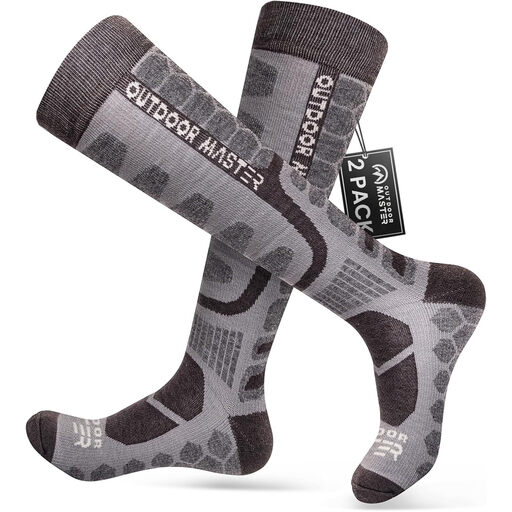
What makes this model stand out? These ski socks deliver on two fronts: the natural warmth of merino wool and the benefits of compression. A winning combination for hitting the slopes run after run with maximum comfort and support.
Key Features:
Who is it for? For demanding skiers and snowboarders who want to keep their feet warm while benefiting from muscle support to reduce fatigue.
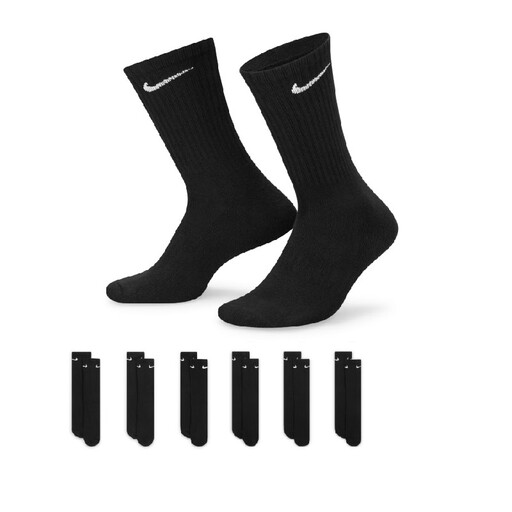
What makes this model stand out? The Nike Everyday Cushioned are the perfect partners for your gym sessions. Their undeniable strong point: a thick terry loop sole that offers exceptional cushioning, ideal for high-impact exercises and weightlifting sessions.
Key Features:
Who is it for? For all gym-goers (fitness, weightlifting, cross-training) who prioritise cushioning and comfort for their workouts.
Our selection covers three key uses, but the world of technical socks is much broader. If you are specifically looking for a model for walking or more casual hiking, other options are available.
? Discover our full range of walking socks to find the right pair for your next outing.
Without a doubt, synthetic materials like polyester or polyamide. Their superpower? They don't absorb sweat but instead push it to the outside of the fabric to evaporate. Your feet stay dry. Merino wool is also an excellent option: it manages moisture very well while remaining comfortable and insulating, even when wet.
For two essential reasons: durability and comfort. Reinforcements, placed in high-wear areas (heel, toe), make the sock much more resistant. But that's not all: this extra cushioning also protects your feet from friction and impact, thus limiting the risk of blisters and improving long-term comfort, especially during hiking.
Yes, for many athletes. By applying graduated pressure (stronger at the ankle), they aim to stimulate venous return. In practice, athletes use them for two reasons: during exercise, to reduce the feeling of heavy legs and muscle vibrations; and afterwards, for recovery, to help reduce fatigue. Their effectiveness is a matter of personal feeling and sport type, but they are worth trying if you participate in endurance sports.