
Livraison le jour même ou le lendemain

Qualité garantie

Débloquez vos offres de bienvenue: Livraison GRATUITE | Jusqu'à -80 % | 30 jours d'essai gratuits à JoyPlus
Téléchargez l'application
A workout ruined by a simple pair of socks?? We've all been there. Chafing, blisters, damp feet... these discomforts are not only a nightmare, but they can also tank your performance. Faced with a jungle of technical models, materials, and cuts, it's hard to know where to start.
As product experts, our mission is to clear the path for you. This guide is here to give you the keys to making an informed choice, perfectly suited to your sport.
Before diving into our selection, let's review the key points that will guide your decision.
The choice of fabric is crucial. Forget cotton?! While comfortable for daily wear, it becomes your worst enemy during exercise by retaining moisture, which leads to maceration and blisters. Technical materials are the only viable option.
The thickness of the sock is about much more than just comfort.
Some socks meet very specific needs.
After hours of testing and comparison, here are the models that caught our attention.
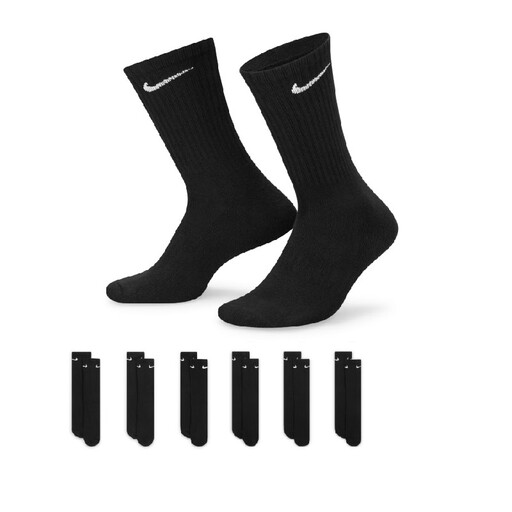
Why this model stands out?: These Nike socks are designed for the versatility of gym workouts. Their key feature is the thick terry sole, which provides very comfortable cushioning for high-impact exercises or weightlifting. Nike's famous Dri-FIT technology takes care of wicking away sweat to keep your feet dry.
Advantages?:
Who is it for?? The go-to choice for fitness, cross-training, and weightlifting enthusiasts looking for a reliable and comfortable pair of training socks for their regular sessions.
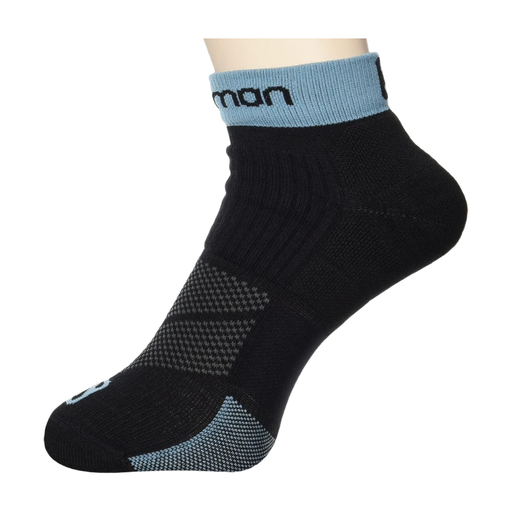
Why this model stands out?: Salomon pours all its outdoor expertise into these technical socks. They feature ventilated mesh zones for optimal airflow and reinforcements in strategic areas (heel and toe) for unbeatable durability. A model designed for endurance.
Advantages?:
Who is it for?? The ideal companion for hikers and trail runners. These hiking socks are perfect for those who demand a technical, breathable, and durable product for their outdoor adventures.
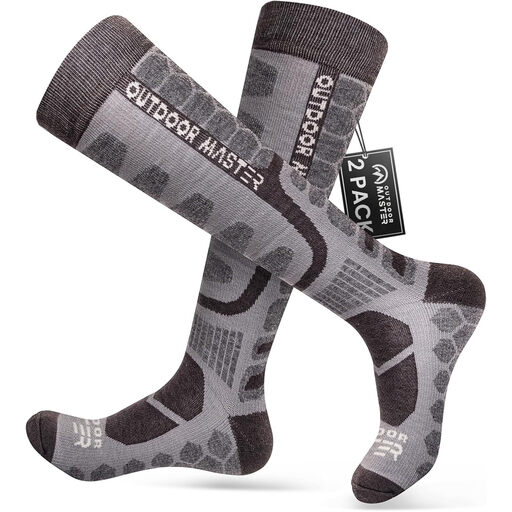
Why this model stands out?: This model combines two key assets for winter sports?: merino wool and compression. The merino wool blend (30%) offers excellent thermal insulation while remaining breathable and anti-odour. Meanwhile, the targeted compression zones support muscles and improve circulation during exertion.
Advantages?:
Who is it for?? For ski and snowboard enthusiasts. These ski socks are a smart option for those who want to combine the natural warmth of wool with the support of compression for run after run on the slopes.
Our selection covers the most common uses, but the world of technical socks is much vaster. To discover other cuts, materials, or models for all sports, explore our complete collection.
? Discover our full range of socks on Joybuy.fr
1. What is the difference between sports socks and regular socks?? It all comes down to materials and design. Regular socks, often made of cotton, absorb sweat and dry very slowly?: a perfect recipe for blisters. Sports socks, on the other hand, rely on synthetic fibres or merino wool to wick away moisture and keep the foot dry. They also add details that make all the difference?: targeted padding, arch support, and flat, anti-chafing seams.
2. How do I choose the right size for sports socks?? The easiest way is to follow the brand's size guide. Generally, sizes cover a range of shoe sizes (e.g., 39-42). Choose the range that includes your usual shoe size. A well-fitting sock should be neither too loose (risking folds and blisters) nor too tight (restricting circulation).