
Livraison le jour même ou le lendemain

Qualité garantie

Débloquez vos offres de bienvenue: Livraison GRATUITE | Jusqu'à -80 % | 30 jours d'essai gratuits à JoyPlus
Téléchargez l'application
From powdered whey and protein bars to ready-to-drink shakes, there is no shortage of products designed for sports nutrition. But eye-catching packaging or promises of speedy recovery are not enough to make the right choice. The ingredients, the portion you actually consume and the format should all suit your training and your daily routine.
A bar may claim to be “high in protein” while also containing a considerable amount of carbohydrates, fat, polyols or salt. The best approach is to check the nutrition table per serving, rather than relying solely on the percentage highlighted on the front of the pack.
For powder, compare the amount of protein per serving, but also check the ingredients list. Whey isolate is generally listed among the main protein sources, while a blend may combine isolate, concentrate and hydrolysate. These different forms do not offer exactly the same texture or taste, and their prices can vary considerably.
A powder that needs mixing is well suited to use at home or at the gym, but much less so when travelling between appointments. Conversely, an energy bar rich in carbohydrates will often be more suitable for prolonged endurance exercise than for a simple post-workout snack.
Before ordering, start by defining the main purpose : protein for muscle recovery, a between-meal boost, a high-protein snack or a source of energy during a sporting activity.
Milk, soya, peanuts, nuts, gluten and wheat are found in many products. Bars containing polyols, such as maltitol or sorbitol, may also cause digestive discomfort for some people. As for the claim “no added sugar”, it does not necessarily mean “no carbohydrates” or “no sweeteners”.
A serving of powder often weighs between 28 and 30 g. For comparison, BODY & FIT Whey Perfection states 22 g of protein per 28 g, while some Optimum Nutrition products provide 23.7 to 24 g per 30 g serving. This information also makes it possible to calculate the true cost of each serving.
For ready-to-drink shakes, check the amount contained in each bottle. Barebells milkshakes provide 24 g of protein per 330 ml : there is no need to carry a shaker, scoop and sachet of powder.
Do not focus solely on protein content. Also check :
A bar may provide 15 to 20 g of protein, but also nearly 190 to 200 kcal. It therefore has a place in your daily diet, but should not become an automatic choice after every workout.
Whey is made from milk. Some blends also contain soya lecithin, which is used to improve the powder’s dispersibility. Plant-based products are not automatically free from allergens : soya, wheat, barley, peanuts and nuts are common.
In France, food and supplement labelling must make it possible to identify allergens that must legally be declared. Always check the packaging you receive : ingredients may vary from one flavour to another or change over time.
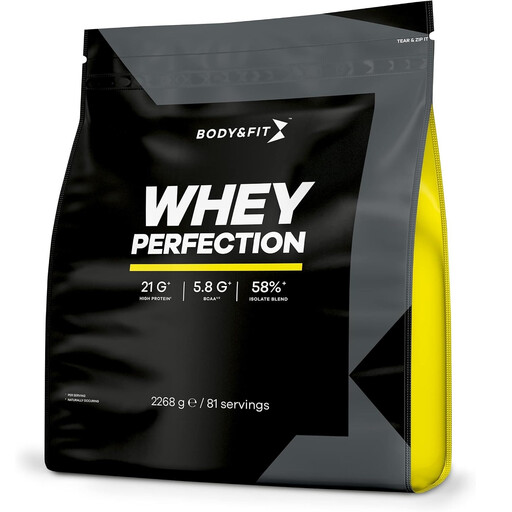
Why this choice suits this profile : With around 81 servings, this large format is suitable for regular use at home. The recommended serving provides 22 g of protein per 28 g.
The amount per serving and the number of servings are clearly stated. This makes it easier to compare the cost of use with that of smaller pouches.
A blend of isolate, concentrate and hydrolysate ; 1.5 g of carbohydrates and 1.6 g of fat per serving, according to the product information provided.
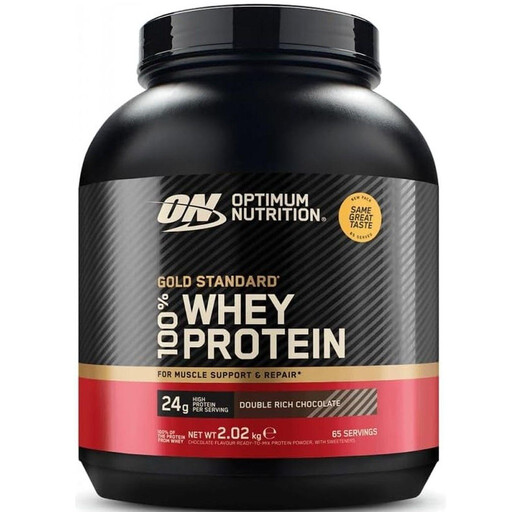
Why this choice suits this profile : With around 65 servings and 24 g of protein per serving, this pack is aimed at people who regularly monitor their intake.
The product information details the nutritional values per serving instead of relying on a general promise about rapid absorption.
24 g of protein, 1.4 g of fat and 1.6 g of carbohydrates per 30 g serving, according to the product information.
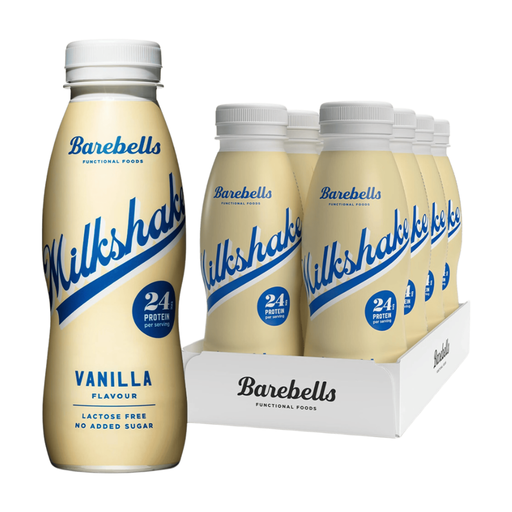
Why this choice suits this profile : The ready-to-drink format is ideal for anyone combining the gym, work and travelling without having a shaker to hand.
The serving is already defined as 330 ml : there is no guesswork when measuring and no powder left at the bottom of your bag.
24 g of protein per bottle, lactose-free according to the product information, with refrigeration required after opening.
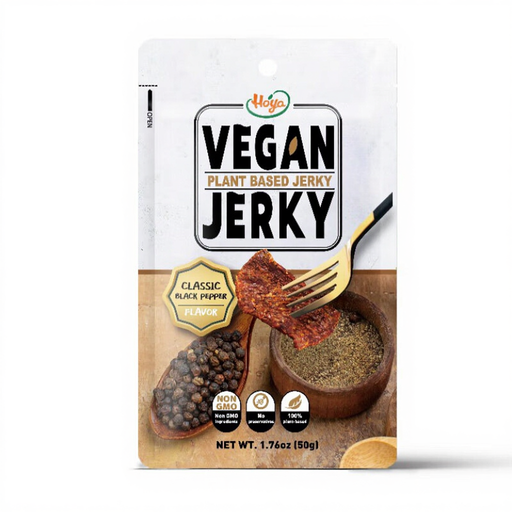
Why this choice suits this profile : This plant-based alternative slips easily into a bag for a hike, a journey or a snack that requires no preparation.
The product information clearly states that the protein comes from soya and wheat : this product is therefore not suitable for people avoiding gluten or soya.
22 g of protein per 100 g, a chewy texture and a 50 g format ready to eat.
We have put together a complete, real-time selection of products that meet these demanding criteria, in line with European safety regulations.
Follow the serving size stated on the packaging and do not use supplements as a substitute for a varied diet. If you are pregnant, breastfeeding, taking medication or have a health condition, seek advice from a healthcare professional.
There is no universal best time. A serving may be convenient after training or between meals, depending on your diet and goals. Follow the manufacturer’s recommendations and consider the total amount of protein you consume throughout the day.
A bar can be useful in a pinch, but its nutritional composition does not always replace that of a complete meal. Some provide 15 to 20 g of protein while also being high in sweeteners, carbohydrates or fat. If you are replacing a meal, also check the fibre content and make sure your diet is varied throughout the day.
Store powder in a cool, dry place, tightly sealed, and follow the date shown on the packaging. An opened drink should generally be refrigerated and consumed within the recommended time. Bars and snacks should be kept away from heat and moisture : their texture may deteriorate before the use-by date if storage conditions are not followed.