What should you look for first?
When choosing a nut or peanut snack for around your workouts, start with how you plan to use it and your portion size, then compare the ingredients of the products available.
| Criteria |
What to check |
Who is it for? |
| Protein and ingredients |
Compare the protein per 100 g, then work out how much you’ll get in your portion. Check the ingredients list too. |
If I’m choosing this snack for its protein content, I want to know what I’ll get from the amount I’ll actually eat. Around 42% of consumers are said to prioritise this and a short ingredients list. |
| Salt and added ingredients |
Check the ‘salt’ line, as well as whether the product contains oil, flavourings or a coating. |
To avoid swapping my usual no-added-salt option for a bag meant for an apéritif, I compare the recipes. This is said to be the main concern for around 33% of consumers. |
| Pack size and local shopping |
Check the packaging, storage instructions after opening and which product is available at your local retailer. |
If I’m shopping locally, I want a pack that’s easy to take with me or store once opened. Around 25% of consumers are said to put convenience and local availability first. |
Retailers to check
These retailers are a useful starting point for comparing specific products, but their online ranges don’t guarantee that the same product will be available in every store.
Carrefour
A place to look for plain almonds, roasted versions with no added salt and peanut butter.
- The Carrefour range includes several of these formats.
- Check the ingredients of the product you choose and whether it’s available at your local store.
E.Leclerc
A retailer to check for almonds, cashews and mixes from the Marque Repère range.
- The E.Leclerc range includes roasted almonds with no added salt.
- Check the ingredients of each mix and what your store has in stock.
Auchan
A product with published information lets you check roasted almonds with no added salt.
- For this product, Auchan’s listing gives 29 g of protein, 11 g of fibre and less than 0.01 g of salt per 100 g.
- It warns that the product may contain traces of peanuts and other allergens. Check the listing for the pack you’re buying.
Lidl
The Alesto range includes plain nuts, as well as other dried fruit and snacks.
- Lidl’s range includes plain almonds and cashews.
- Check the label on the product in store to compare its protein and ingredients.
Aldi
A place to look for Trader Joe’s dry-roasted peanuts.
- ALDI lists a product of dry-roasted peanuts under this brand.
- ‘Dry-roasted’ alone doesn’t tell you about the salt or protein content, so check the label on the product available.
Monoprix
A retailer where you can compare almonds and peanut butter from different brands.
- The listing for Monoprix’s roasted and salted almonds gives 26 g of protein per 100 g; an Andros peanut butter sold by the retailer contains 27 g.
- The almonds mentioned contain sunflower oil and salt. Andros peanut butter is a different product, not a characteristic of Monoprix products.
Products to explore on Joybuy
This selection includes walnuts, two pack sizes of pistachios and peanut butter. To choose a snack for around your workouts, compare the pack size and recipe with the nutritional information on the packaging.
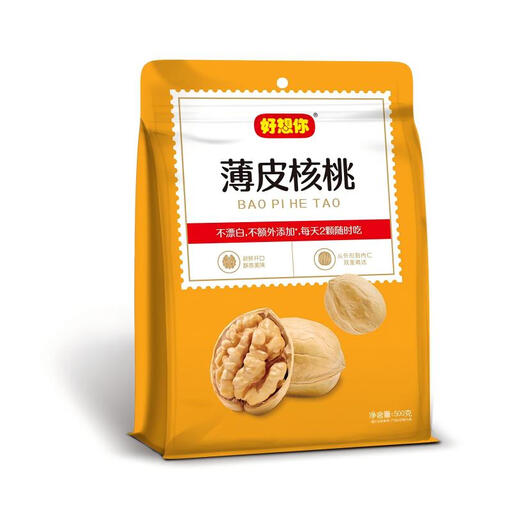 Image unavailable
Haoxiangni Thin-Shell Walnuts, 500 g, 8 packs
The eight-pack format may suit you if you want to split up the 500 g. If you’re after a ready-to-eat snack, bear in mind that you’ll need to crack the shells. Compare the nutritional information on the packaging against the amount of walnuts you’ll eat.
View on Joybuy
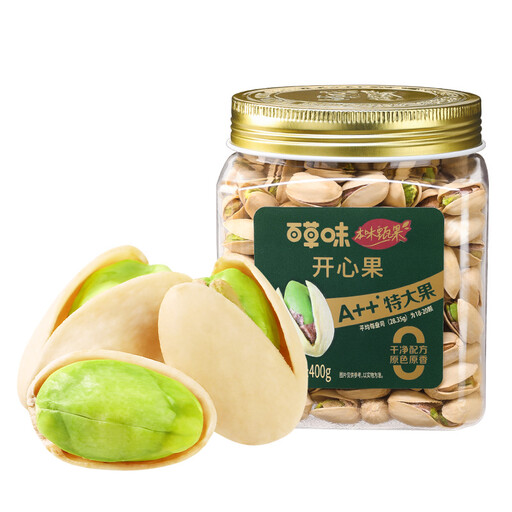 Image unavailable
BE&CHEERY Premium Pistachios, 400 g
This 400 g bag is worth comparing if you’re looking for pistachios rather than almonds or peanuts. Before choosing it for your snacks, check the salt content, portion size and storage instructions on the packaging.
View on Joybuy
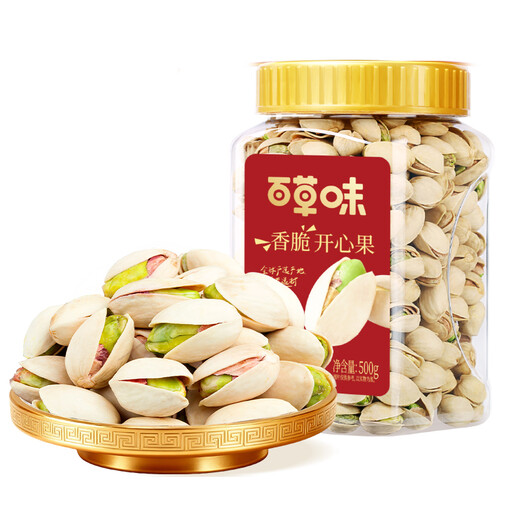 Image unavailable
BE&CHEERY Pistachios, 500 g
The 500 g pack may suit you if you’re planning to have several portions. If you want a snack that’s ready to eat, remember that you’ll need to remove the shells. Also check the ingredients list and the ‘salt’ line for this product.
View on Joybuy
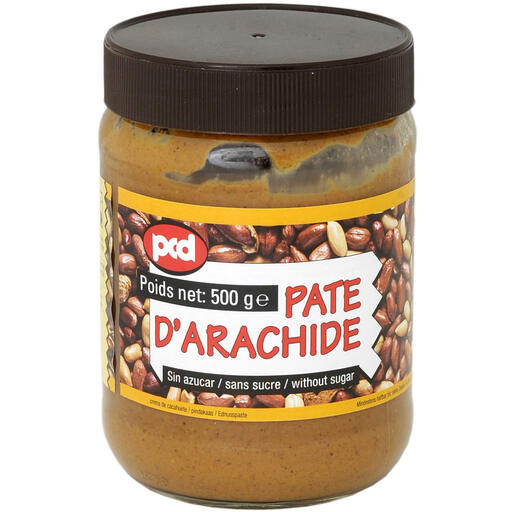 Image unavailable
PCD 100% Peanut Butter, 500 g
This jar may suit you if you’d rather spread peanut butter on toast or add it to a recipe than eat whole nuts. Joybuy’s listing describes it as made with roasted peanuts. To compare its protein with that of a bagged snack, use the per-100 g value and serving size shown on the jar’s label.
View on Joybuy
Frequently asked questions
How much protein is in a 30 g serving of almonds?
For Auchan almonds labelled as containing 29 g of protein per 100 g, a 30 g serving provides around 8.7 g of protein and 192 kcal. If you choose a different product, recalculate using the nutritional values on your own pack.
Do salted almonds differ only in taste?
No, the recipes of the two products we looked at also differ. Auchan’s roasted almonds with no added salt contain less than 0.01 g of salt per 100 g, while Monoprix’s roasted and salted almonds contain 0.64 g and include sunflower oil. Check the ingredients and the ‘salt’ line on the product you choose.
What should I check when buying nuts at a market?
If allergens are a concern for you, ask the retailer for information, especially if the product is sold loose. The European Commission requires allergen information for non-prepacked foods. For a packaged product, check the label too.
How should I store a large bag of almonds once opened?
Follow the instructions on the pack you’ve bought. For its 400 g pack of roasted almonds with no added salt, Auchan advises resealing the bag tightly and consuming the product within 15 days of opening. This storage period won’t automatically apply to other products.
Is peanut butter suitable if I need to avoid tree nuts?
Don’t judge suitability by the name alone: peanuts and tree nuts are different allergens, and warnings about possible traces may also matter. The listing for Andros 100% peanut butter says it may contain tree nuts. Check the allergen information on the specific jar before buying.


