
Livraison le jour même ou le lendemain

Qualité garantie

Débloquez vos offres de bienvenue: Livraison GRATUITE | Jusqu'à -80 % | 30 jours d'essai gratuits à JoyPlus
Téléchargez l'application
Choosing a protein bar, protein drink or food supplement for sport may seem straightforward. Yet packaging often focuses on flavour, performance claims or a few fashionable ingredients, at the expense of the information that really matters.
Before putting a product in your gym bag, check three things: the nutritional composition per serving, when you plan to consume it and the presence of allergens. A high-protein bar does not meet the same need as an energy bar. BCAAs and beta-alanine, meanwhile, require particular attention to dosage and usage precautions.
A protein bar generally contains more protein and fewer carbohydrates than an energy bar. Depending on your needs and diet, it is more suitable as a snack between meals or after a workout.
By contrast, a bar made with oats, syrup or fruit often provides more carbohydrates. It may be better suited to before or during endurance activities such as running, cycling or hiking.
This claim may conceal the presence of polyols, such as maltitol, or sweeteners. Always check the nutritional table to distinguish between sugars, carbohydrates, fibre and polyols. A product low in sugar will not necessarily suit your digestion or everyday diet.
Milk, soya, peanuts, nuts, gluten and eggs are common in sports nutrition products. Read the ingredients list carefully, along with any statement such as ‘may contain traces of…’, particularly if you have a known allergy.
Supplements, especially BCAAs, beta-alanine and vitamin and mineral formulas, should also be used in accordance with the instructions on the label. They are not a substitute for a varied, balanced diet.
Compare products based on a serving you would actually consume, rather than only per 100 g. A 40 g bar providing 10,4 g of protein is not comparable with a 55 g bar containing 17,6 g.
For a protein snack, pay particular attention to:
A bar containing polyols may show very little sugar, but it will not necessarily be suitable for people with sensitive digestion.
For pre-workout nutrition, choose a format that is easy to digest and suitable for the duration of your activity. A carbohydrate-rich energy bar can support a long outing, while a very high-protein bar may be more filling.
After your workout, a protein bar, high-protein dairy product or protein drink can complement a meal or snack. These products alone cannot guarantee good muscle recovery: rest, hydration and a suitable diet remain essential.
Individual sachets are convenient to carry in a bag, a cycling jersey pocket or a desk drawer. Also check the storage temperature, protection from moisture and best-before date.
For powders and tablets, also check:
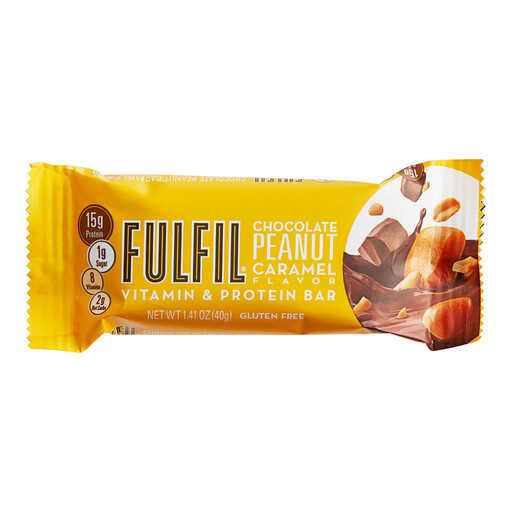
Why this choice suits this profile : Its individual 40 g format is ideal for a first try or as an easy-to-carry snack after a fitness session.
The manufacturer's nutritional table states that each bar contains 15 g of protein, 1 g of sugar and 8 g of fibre. The presence of peanuts, milk and soya is clearly indicated.
190 kcal per bar, individual packaging and vitamins listed in the composition.
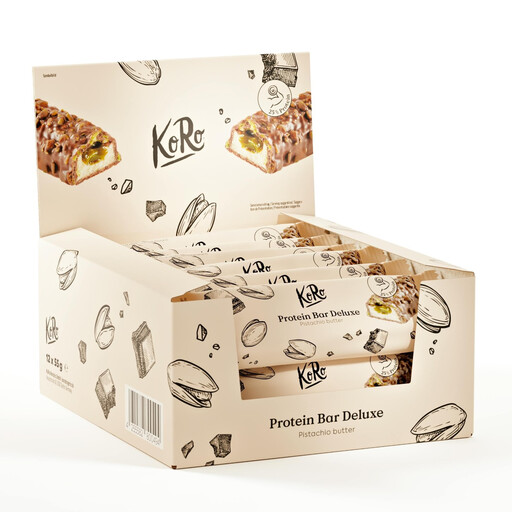
Why this choice suits this profile : Its pistachio filling and milk chocolate coating will appeal to anyone looking for a carefully crafted texture and a generous portion.
The ‘no added sugar’ claim is accompanied by a table specifying 12 g of polyols and 2 g of sugar per bar. This gives you more than just a simple marketing claim to go on.
14 g of protein, 5 g of fibre and 220 kcal per 55 g bar, with pistachio and milk, soya and fava bean proteins.
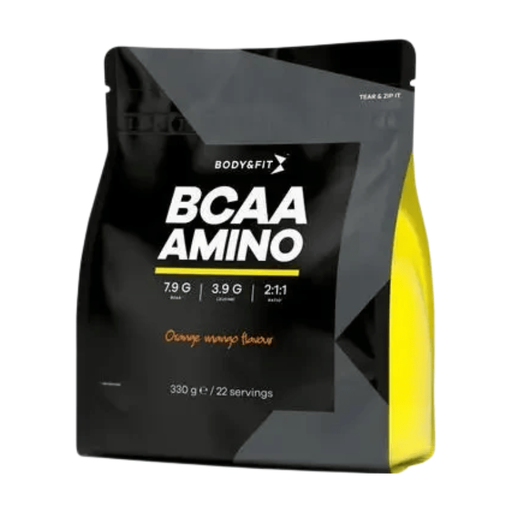
Why this choice suits this profile : This powder dissolves in a drink and can be incorporated into a routine before, during or after exercise. It is suitable for active adults who prefer to avoid tablets.
The recommended serving is 15 g of powder in 250 ml of liquid, providing 8 g of BCAAs according to the product information. The daily limit and usage precautions must be followed.
A formula advertised as vegan, a 2:1:1 ratio of leucine, isoleucine and valine, a 330 g format and 22 stated servings.
We have put together a comprehensive, real-time updated selection of products that meet these demanding criteria and European safety regulations.
It can be eaten between meals, after training or whenever you need an easy-to-carry snack. The choice depends mainly on your overall diet and the bar's composition. For endurance activity, an energy bar containing carbohydrates will meet a different need.
BCAAs are not essential for everyone. Their usefulness depends on your diet, your goal and the context of your training. Follow the manufacturer's recommended dose and seek advice from a healthcare professional if you are taking medication, pregnant, breastfeeding or have a medical condition.
Follow the date shown on the packaging and the storage instructions. Powder should generally be kept sealed, dry and away from heat. After opening, use the scoop provided and close the container carefully. If the product's smell, texture or appearance changes, it is best not to consume it.