
Livraison le jour même ou le lendemain

Qualité garantie

Débloquez vos offres de bienvenue: Livraison GRATUITE | Jusqu'à -80 % | 30 jours d'essai gratuits à JoyPlus
Téléchargez l'application
Whether you lift weights, run, cycle or practise an endurance sport, sports nutrition can quickly become difficult to navigate. Between protein powders, energy bars, energy drinks and dietary supplements, marketing claims do not always reflect your actual needs.
Before placing an order, three common pitfalls are worth avoiding:
The goal is therefore not to accumulate products labelled “sports nutrition”, but to choose a solution that fits your activity, training frequency and usual diet.
Always compare the information for the serving you will actually consume, rather than looking only at the values per 100 g. For whey protein, check in particular:
For example, Optimum Nutrition Gold Standard provides 24 g of protein per 30 g serving, while BODY & FIT Whey Perfection provides 22 g per 28 g serving. These figures make it easier to compare products, but they are not enough to determine whether the supplement belongs in your diet.
Each category addresses a different need:
Follow the dosage indicated on the packaging, and avoid combining several products containing the same vitamins or minerals without checking your total intake.
Nutri&Co Electrolytes tablets provide 300 mg of sodium and 300 mg of potassium per tablet, to be dissolved in 300 to 500 ml of water. The presence of potassium calls for particular caution in cases of renal impairment or kidney disease. The product information also recommends seeking medical advice during pregnancy or breastfeeding.
Depending on the product, Red Bull energy drinks provide approximately 80 mg of caffeine per 250 ml can. They are not suitable for children or for pregnant or breastfeeding women. Also monitor your total caffeine intake, especially if you already drink coffee, tea or other caffeinated beverages.
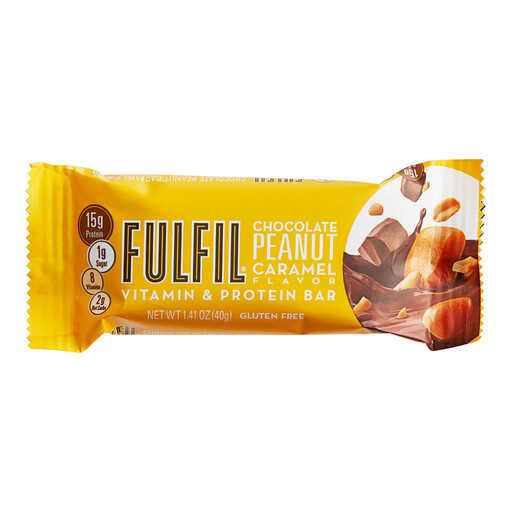
Why this format suits them: individually wrapped, this bar slips easily into a gym bag or everyday bag. No shaker or preparation is required.
The values per bar are clearly stated: 15 g of protein, 190 kcal and 1 g of sugar. Even so, check for the presence of milk, soy and peanuts.
An individual format, 15 g of protein per bar and several vitamins listed on the product page.
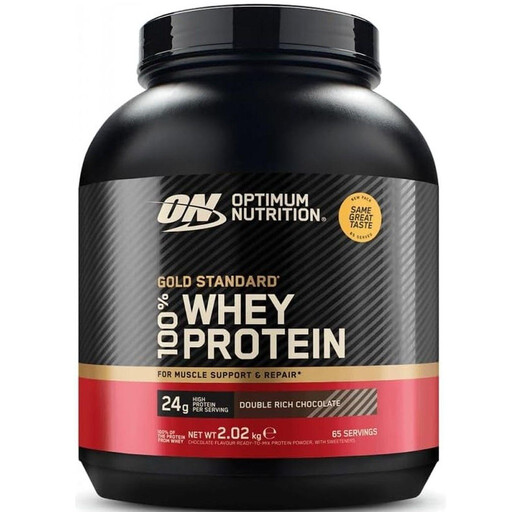
Why this format suits them: this large pack is designed for people who use protein powder regularly and want to avoid reordering too often.
The product page details the serving size, carbohydrates, fats and allergens, and recommends not exceeding three servings per day. This helps prevent automatically overdoing it.
24 g of protein and 116 kcal per 30 g serving, combining whey isolate, concentrate and hydrolysed whey isolate.
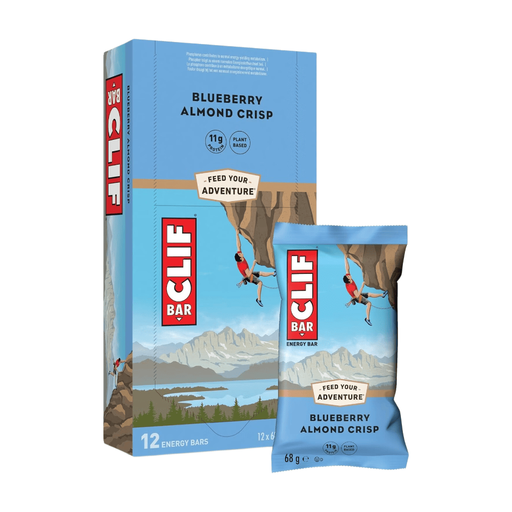
Why this format suits them: ready to eat, this bar can accompany a long ride, a hike or any session requiring a convenient source of carbohydrates.
Do not mistake it for a primarily protein-focused bar: it provides 38 g of carbohydrates, 18 g of sugar and 11 g of protein.
Each 68 g bar provides 256 kcal and 5 g of fibre. The presence of oats, almonds and soy should be taken into account in case of allergy.
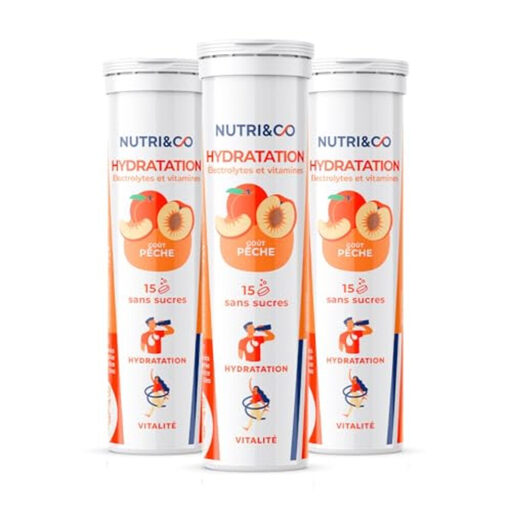
Why this format suits them: easy to carry, these tablets allow you to prepare a sports hydration drink without adding sugar, according to the product page.
This is a dietary supplement, not a medicine. Follow the recommended dose of one tablet per day and observe the precautions relating to potassium.
300 mg of sodium, 300 mg of potassium and 120 mg of calcium per tablet, with vitamins C, B2, B6 and B9.
Explore an updated selection of products designed to meet different sports nutrition and hydration needs.
A protein bar focuses primarily on protein intake, while an energy bar provides more carbohydrates for use before or during prolonged activity. Check the label: FULFIL provides 15 g of protein per bar, while the CLIF BAR Blueberry provides 38 g of carbohydrates and 11 g of protein per serving.
Not necessarily. For a short, moderate-intensity session, water and a balanced diet may be sufficient. Electrolytes can be useful during prolonged exercise, in hot weather or when you sweat heavily. Always follow the instructions on the product label and take your individual circumstances into account.
No. Whey provides protein, but muscle recovery also depends on rest, training, overall energy intake and dietary balance. It can be convenient when meals do not easily provide enough protein to meet your needs.
If you are undergoing medical treatment, are pregnant or breastfeeding, or have a health condition, seek advice from a healthcare professional before using a supplement.